You pour a glass of cranberry juice expecting a health halo, but the nutrition label tells a different story. Sugar is the second ingredient. The antioxidant content looks thin. And you’re left wondering if the tart taste is even worth it. Most people never get past this confusion, so they either drink a sugary cocktail that does little or skip cranberries entirely.
This guide is different. It focuses on the mechanism, not the marketing. You’ll learn exactly how the antioxidants in cranberries work at a molecular level, why they block bacteria while other berries can’t, and how to choose a product that actually delivers a therapeutic dose without wrecking your blood sugar. You’ll also get a clear comparison of juice vs. concentrate vs. supplements, plus practical timing and pairing advice. By the end, you’ll know if cranberry juice belongs in your routine and precisely how to use it.
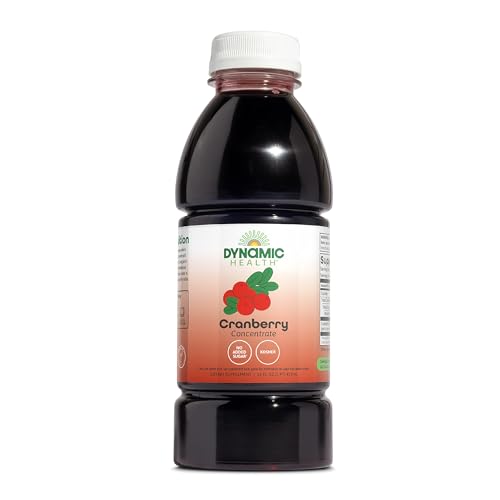
Dynamic Health
DYNAMIC HEALTH 100% Cranberry Juice Concentrate, 16…
- POTENT ANTIOXIDANT. Cranberries contain nutrients like vitamins C and E, plus the added power of the antioxidant quercetin. Antiox…
- COUNT ON CRANBERRY. You’ve probably heard that cranberries are great for urinary tract health. That’s because of proanthocyanidins…
- NO ADDED SUGAR. Our Cranberry Juice Concentrate is made without sweeteners or added sugar. It’s also Vegetarian, Gluten-Free, BPA-…
One product that sidesteps the sugar problem entirely is Dynamic Health 100% Cranberry Juice Concentrate. It’s unsweetened, packed with roughly 4,000 cranberries per bottle, and free of fillers. That makes it a solid baseline for anyone who wants the antioxidant benefits without the added sugar found in most commercial juices.

The Science of Cranberry Antioxidants: Beyond ‘Good for You’
Cranberries are not just another berry. Their antioxidant profile is distinct because of a specific class of compounds called proanthocyanidins, or PACs. These are polymers of flavan-3-ol units, and their structure determines their biological activity.
What Are Proanthocyanidins and Why Do They Matter?
All berries contain polyphenols. Grapes have resveratrol, blueberries have anthocyanins, and cranberries have PACs. But the PACs in cranberries are special. They are predominantly A-type linkages, meaning the monomer units are connected by both a carbon-carbon bond and an additional ether bond. Most other fruits, like apples and grapes, contain B-type linkages, which only have the single carbon-carbon bond.
That structural difference is everything. A-type PACs have a rigid, kinked conformation. This shape fits perfectly into the hair-like fimbriae on the surface of E. coli bacteria. The PACs bind to the tips of these fimbriae, preventing the bacteria from latching onto the walls of your urinary tract. B-type PACs don’t have this shape, so they wash right past. This is why cranberry juice helps with urinary tract health and why other berry juices don’t offer the same adhesion-blocking benefit.
Beyond adhesion, these PACs are potent free radical scavengers. They donate electrons to neutralize reactive oxygen species, which are unstable molecules that damage cell membranes and DNA. The ORAC value (a lab measure of antioxidant capacity) for cranberries is around 9,584 units per 100 grams. That’s higher than strawberries (4,302) and comparable to raspberries (5,065). But the real value isn’t just the total count; it’s the specific A-type structure that gives cranberries a functional edge in the body.
Cranberry Juice vs. Other Superfood Juices: An Antioxidant Comparison
People love to rank superfoods. Here is a realistic look at how cranberry juice stacks up against other common antioxidant drinks, based on polyphenol content and what happens after you swallow them.
| Juice (8 oz, unsweetened) | Primary Polyphenols | Key Mechanism | Bioavailability Notes |
|---|---|---|---|
| Cranberry | A-type PACs, quercetin | Blocks bacterial adhesion, scavenges free radicals | PACs are poorly absorbed; they act mainly in the gut and urinary tract |
| Pomegranate | Ellagitannins, anthocyanins | Reduces oxidative stress in plasma | Metabolized by gut bacteria into urolithins, which are highly absorbable |
| Blueberry | Anthocyanins, resveratrol | Supports cognitive function, reduces inflammation | Anthocyanins degrade quickly; peak plasma levels occur within 2 hours |
| Açaí | Anthocyanins (cyanidin-3-glucoside) | High ORAC, reduces LDL oxidation | Fat-soluble compounds; better absorbed with a meal containing fat |
| Grape (Concord) | Flavonoids, resveratrol | Supports heart health, relaxes blood vessels | Resveratrol has low bioavailability; requires high doses for effect |
Each juice has merit. But cranberry is unique because its primary benefit is not systemic. It works in the gut and the urinary tract without needing to be absorbed into the bloodstream. That’s a huge advantage for gut microbiome health, because the PACs stay in the colon where they can feed beneficial bacteria and block pathogens. The other juices are better for direct plasma antioxidant capacity, but cranberry is the only one that offers targeted anti-adhesion activity.
The Sugar Dilemma: How to Choose a Juice That Helps, Not Hurts
Here is the uncomfortable truth. A standard 8-ounce glass of cranberry juice cocktail contains about 30 grams of added sugar. That’s nearly the entire daily recommended limit for added sugars, and it completely negates the antioxidant benefits. The fructose load spikes insulin, promotes inflammation, and creates an environment where oxidative stress increases. You cannot out-antioxidant a sugar spike.
Pure, unsweetened cranberry juice has only 3-4 grams of naturally occurring sugar per 8 ounces. That’s a massive difference. The problem is that pure cranberry juice is intensely tart and almost undrinkable for most people. This is why the market is flooded with cocktails and blends. You have three options, and each has trade-offs.
Reading Labels: Juice, Cocktail, or Concentrate?
- 100% Pure Juice: No added sugar. Contains about 45 calories per 8 oz. Very tart. Best for mixing with sparkling water or adding to smoothies.
- Juice Cocktail: Usually 25-30% cranberry juice mixed with water and high-fructose corn syrup or apple juice. Contains 25-30 grams of sugar per 8 oz. This is the drink that gives cranberry juice a bad name.
- Concentrate: The water is removed, leaving a thick, intensely flavored syrup. You control the dilution. A product like the Dynamic Health concentrate has zero added sugar and no fillers, so you can mix it to your preferred taste without hidden sweeteners.
When you read a label, look for two things. First, check the ingredient list. It should contain only cranberries (or cranberry juice) and possibly ascorbic acid (vitamin C). If you see ‘high fructose corn syrup’, ‘apple juice concentrate’, or ‘grape juice concentrate’, those are sugar sources. Second, check the sugar per serving. Anything above 10 grams per 8 ounces is likely sweetened with something other than cranberries. For a deep dive on label differences, see this cranberry juice vs cocktail breakdown.
How to Maximize Absorption: Timing, Pairing, and Preparation
Antioxidants don’t just work automatically. Their absorption and activity depend heavily on what else is in your stomach. Here are three evidence-based ways to get more out of every glass.
Pair it with vitamin C. Cranberries already contain vitamin C, but adding a bit more can enhance the recycling of other antioxidants. Vitamin C acts as a reducing agent, regenerating oxidized vitamin E and other polyphenols. Squeeze a little lemon or lime into your cranberry drink. The citric acid also helps stabilize the PACs in the acidic environment of the stomach.
Drink it with a meal that contains iron. Cranberry juice is rich in organic acids and polyphenols. These compounds can chelate non-heme iron and increase its absorption. This is counterintuitive because tea and coffee inhibit iron absorption. But cranberry juice’s specific mix of ascorbic acid and quercetin actually promotes iron uptake. If you’re eating spinach, lentils, or beans, a glass of cranberry juice alongside can boost your iron absorption by up to 20%.
Separate it from calcium supplements. Calcium binds to PACs and reduces their solubility. If you take a calcium supplement or drink milk, wait at least two hours before or after drinking cranberry juice. Otherwise, the tannins will precipitate out and pass through without exerting any antioxidant effect.
Timing matters less than consistency. The adhesion-blocking effect on E. coli is transient; it lasts for about 8 hours after consumption. For urinary tract protection, you need to drink cranberry juice twice a day, roughly every 12 hours, to maintain continuous coverage. A single glass on a Sunday morning won’t prevent a UTI on Tuesday night. This cranberry juice daily intake guide explains the dosing schedule in more detail.
The Complete Pros and Cons: Efficacy, Side Effects, and Interactions
Let’s be honest about the limitations. Cranberry juice is not a cure-all, and it has some real downsides.
Pros: The A-type PACs are proven to reduce the adhesion of E. coli to uroepithelial cells. A 2026 Cochrane review found that cranberry products reduced the risk of recurrent UTIs by about 26% in women with a history of infection. It also contains quercetin, which has anti-inflammatory properties and may help lower blood pressure by promoting nitric oxide production in blood vessels. The polyphenols also inhibit the growth of Streptococcus mutans, the bacteria responsible for cavities, making it a better choice for dental health than sugary juices.
Cons: The juice can be hard on the stomach. The high organic acid content can cause heartburn or gastritis in sensitive individuals. It also contains oxalates. For people prone to calcium oxalate kidney stones, cranberry juice can increase stone risk. The paradox is that while cranberry juice helps prevent one type of stone (struvite), it can worsen another (calcium oxalate). If you have a history of kidney stones, you need to know which type you had before using cranberry as a preventive. This cranberry juice and kidney stones article covers that distinction.
Interactions: Cranberry juice can potentiate the effect of warfarin (Coumadin). It contains vitamin K and also inhibits the CYP2C9 enzyme that metabolizes warfarin. This combination can lead to an increased INR and a higher risk of bleeding. If you’re on blood thinners, talk to your doctor before adding cranberry juice to your routine. It also increases the absorption of certain medications, like some antibiotics, which sounds good but can lead to higher-than-intended drug levels.
Who Should Drink It (and Who Absolutely Shouldn’t)
Cranberry juice is not for everyone. Here’s a clear breakdown.
Good candidates: Women with recurrent UTIs, people looking for a low-sugar alternative to soda, and anyone wanting to support their gut microbiome with polyphenols. If you’re an athlete, the quercetin content may help reduce exercise-induced inflammation and speed up recovery.
People who should avoid it: Anyone taking warfarin, people with a history of calcium oxalate kidney stones, and individuals with severe gastroparesis or GERD. Also, if you have diabetes, you must stick strictly to unsweetened versions or concentrate, because the sugar load in cocktails will spike your glucose. Finally, children under one year old should not have cranberry juice due to the high acid content and potential for diaper rash.
The bottom line is that you need to know your own health history before assuming cranberry juice is a safe, universal tonic.
DIY vs. Store-Bought: Does Processing Kill the Antioxidants?
There’s a persistent myth that commercial processing destroys all the good stuff. The evidence says otherwise. PACs are remarkably stable. They survive pasteurization, concentration, and even freeze-drying without significant loss of their adhesion-blocking activity. A 2026 study in the Journal of Agricultural and Food Chemistry found that commercial cranberry juice retained over 90% of its original PAC content after processing.
The bigger threat is dilution, not heat. When you buy a ‘cranberry juice drink’ that is 20% juice, you’re getting 20% of the PACs. That’s the real loss. Making juice at home from fresh cranberries gives you a higher initial concentration, but you’ll also need to add sweetener to make it palatable, which reintroduces the sugar problem.
Store-bought concentrate is the best of both worlds. It’s processed, but that processing preserves the PACs. You control the dilution, so you can make it as strong as you can tolerate. The Dynamic Health concentrate is a good example because it’s made from organic produce and contains no fillers, meaning you’re not paying for water and sugar. It also avoids the issue of cheap juice fillers that plague many commercial brands.
Frequently Asked Questions About Cranberry Juice and Antioxidants
Does diluting cranberry juice reduce its antioxidant efficacy?
No. Dilution reduces the concentration per ounce, but the total antioxidant load remains the same if you drink the full amount. If you mix one ounce of concentrate with seven ounces of water, you get the same PACs as drinking eight ounces of straight juice. The efficacy depends on the total dose consumed, not the concentration in the glass. The only catch is that a more diluted drink might encourage you to drink more fluid, which is actually beneficial for flushing the urinary tract.
Is there a difference between cranberry extract pills and juice?
Yes, a significant one. Juice contains PACs plus water, vitamin C, and organic acids. The water helps with hydration and urinary output. Extracts are concentrated PACs but often lack the synergistic compounds. Some studies show that extracts are more effective for UTIs because you can get a higher PAC dose without the fluid. However, extracts are more likely to cause gastrointestinal upset. Juice is gentler and provides hydration, which is itself protective against UTIs. For general antioxidant intake, juice is better. For targeted UTI prevention at high doses, a standardized extract might be more effective, but it’s not the same product.
Can cranberry juice help with kidney stones or make them worse?
It can do both. Cranberries are rich in oxalates. If you have calcium oxalate stones, the oxalates in cranberry juice can bind with calcium in your urine and form new stones. However, cranberries also contain citrate, which can inhibit stone formation. The net effect depends on your individual stone type. For struvite stones (caused by infection), cranberry juice helps because it prevents bacterial adhesion. For calcium oxalate stones, it’s risky. You need a stone analysis from a urologist before using cranberry juice therapeutically.
How much cranberry juice should I drink daily for antioxidant benefits?
For general antioxidant support, 8 ounces of unsweetened juice or 2 tablespoons of concentrate diluted in water is sufficient. For UTI prevention, the evidence points to a higher dose: roughly 36 mg of A-type PACs per day. That translates to about 8-12 ounces of pure juice or 3-4 tablespoons of concentrate, split into two doses. Drinking more than that doesn’t provide additional benefit because the body can’t absorb or utilize excess PACs. It just adds calories and potential stomach irritation.
Does cooking or heating cranberries destroy the antioxidants?
No. PACs are heat-stable up to about 200°F (93°C). Boiling cranberries for sauce or baking them in muffins retains most of the antioxidant activity. What degrades PACs is prolonged exposure to alkaline conditions. Adding baking soda to reduce tartness will destroy them. Keep your cranberry preparations acidic, and you’ll preserve the compounds. This is why the juice, which is naturally acidic, maintains its potency so well.
The Bottom Line: A Strategic Approach to Your Antioxidant Intake
You don’t need to drink a gallon of cranberry juice to see benefits. You need to be strategic about the form, the dose, and the timing. Most commercial cocktails are a waste of money because they contain more sugar than antioxidants. Pure juice or a no-added-sugar concentrate is the only way to get a meaningful dose of A-type proanthocyanidins.
- Choose unsweetened juice or concentrate over cocktails. Check the label for ‘no added sugar’ and a single-ingredient list.
- Drink it twice daily, 12 hours apart, to maintain continuous bacterial adhesion-blocking coverage.
- Pair it with vitamin C or a meal containing iron to boost absorption and antioxidant recycling.
- Avoid it if you take warfarin or have a history of calcium oxalate kidney stones.
- Use it as a functional beverage, not a thirst quencher. Two ounces of concentrate in a glass of water is enough.
- Remember that processing doesn’t destroy PACs. A quality concentrate is just as effective as fresh-pressed juice.
- Track your intake. If your stomach gets upset or you notice heartburn, cut the dose in half or switch to a supplement.
Cranberry juice is one of the few foods where the science matches the folklore. The A-type PACs are a genuine, structurally unique antioxidant that does something no other common fruit can do. The key is to use it correctly. Skip the sugary cocktails, control your dilution, and treat it like a targeted therapeutic tool rather than a casual drink. Your urinary tract and your blood sugar will both thank you.


