Cranberry Juice: A Powerful Source of Antioxidants — An Evidence-Based Reality Check
On this page 9 sections
- What Makes Cranberry Juice a Nutritional Powerhouse?
- The Science of Antioxidants: How Cranberries Fight Cellular Damage
- Proven Health Benefits (Backed by Research)
- The Hidden Danger: Sugar Content and Calorie Comparison
- Side Effects, Risks, and Drug Interactions
- How Much Should You Drink? Dosage and Timing
- How to Choose the Right Juice (And What to Avoid)
- Frequently Asked Questions
- The Bottom Line: What to Actually Do
You grab a bottle of cranberry juice when you feel a urinary tract infection coming on. Or you pour a glass at breakfast because you heard it’s good for you. But the drink in your hand might be 27% real juice and 73% sugar water. That’s the uncomfortable truth about most commercial cranberry products.
This article separates what science actually supports from what marketing departments invented. You’ll learn how A-type proanthocyanidins block bacteria at a molecular level, why sugar content can cancel out the benefits, and exactly how much to drink without triggering kidney stones or drug interactions. By the end, you’ll know precisely what to look for on a label and what to avoid.
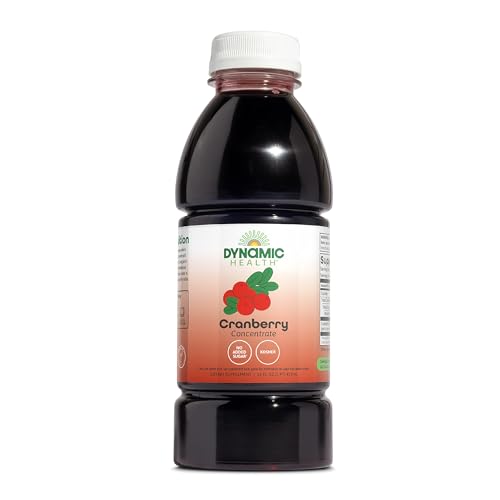
Dynamic Health
DYNAMIC HEALTH 100% Cranberry Juice Concentrate, 16…
- POTENT ANTIOXIDANT. Cranberries contain nutrients like vitamins C and E, plus the added power of the antioxidant quercetin. Antiox…
- COUNT ON CRANBERRY. You’ve probably heard that cranberries are great for urinary tract health. That’s because of proanthocyanidins…
- NO ADDED SUGAR. Our Cranberry Juice Concentrate is made without sweeteners or added sugar. It’s also Vegetarian, Gluten-Free, BPA-…

What Makes Cranberry Juice a Nutritional Powerhouse?
Cranberries are one of the few fruits native to North America that remain commercially significant. They’re also among the most antioxidant-dense foods you can buy. The compounds responsible are polyphenols, specifically flavonoids like quercetin, myricetin, and proanthocyanidins.
One cup of raw cranberries delivers about 23 mg of vitamin C, 8% of your daily vitamin E needs, and a measurable dose of manganese. But the real story is the PACs — proanthocyanidins. These are condensed tannins that give cranberries their characteristic astringent bite. The specific type found in cranberries, A-type PACs, has a unique three-dimensional structure that bacteria simply cannot bind to.
Compare that to grapes or apples, which contain mostly B-type PACs. Those don’t have the same anti-adhesion properties. This structural difference is why cranberry gets all the attention in urinary health research while other berries don’t.
If you want the full antioxidant profile without added sugar, a concentrate like Dynamic Health 100% Cranberry Juice Concentrate packs roughly 4,000 cranberries per 16-ounce bottle. You dilute it yourself, which means you control the sweetness and the strength.
The Science of Antioxidants: How Cranberries Fight Cellular Damage
Antioxidants neutralize free radicals — unstable molecules that steal electrons from your cells’ DNA, proteins, and lipid membranes. This theft triggers a chain reaction called oxidative stress, which accelerates aging and contributes to chronic diseases like atherosclerosis and certain cancers.
Cranberry polyphenols donate electrons without becoming unstable themselves. They break the chain. But here’s the part most articles skip: bioavailability matters more than total antioxidant content. Most polyphenols pass through your stomach and get metabolized by gut bacteria before entering your bloodstream. The compounds that reach your tissues are not always the same ones you swallowed.
Research shows that cranberry PACs are poorly absorbed in the small intestine. They travel to the colon, where microbiota break them down into smaller phenolic acids. These metabolites circulate in your blood for up to 24 hours after consumption. That’s why regular daily intake matters more than occasional mega-doses.
One human trial found that drinking 8 ounces of cranberry juice daily for eight weeks reduced plasma oxidized LDL by 10%. Oxidized LDL is the form of cholesterol that actually clogs arteries. A 10% reduction is clinically meaningful, especially for people with elevated cholesterol.
Proven Health Benefits (Backed by Research)
The evidence base for cranberry is stronger than for most fruit juices. But the benefits are narrower than the marketing suggests. Here’s what holds up.
Urinary Tract Health: Prevention vs. Treatment
Cranberry’s anti-adhesion mechanism is genuinely clever. The A-type PACs bind to the P-fimbriae on E. coli — the hair-like projections bacteria use to latch onto your bladder wall. Once bound, the bacteria can’t stick, so they get flushed out when you urinate. This is a physical blocking action, not a chemical kill. That’s why it prevents infections but cannot cure an existing one.
A 2026 Cochrane review analyzed 24 trials with over 4,000 participants. The conclusion: cranberry products reduced recurrent UTIs by 26% in women with a history of infection. The effect was strongest in younger women with recurrent cystitis. It did nothing for elderly nursing home residents, pregnant women, or people with neurogenic bladder. Those groups saw no benefit.
If you already have burning, urgency, and cloudy urine, cranberry juice won’t fix it. You need antibiotics. Drinking juice while on antibiotics is fine, but don’t delay treatment hoping the juice will handle it. That’s how a simple UTI becomes a kidney infection.
Cardiovascular Support: Blood Pressure and Cholesterol
The polyphenols in cranberry improve endothelial function — the ability of blood vessels to relax and widen. A 2026 meta-analysis in the Journal of Nutrition found that cranberry consumption lowered systolic blood pressure by an average of 3.6 mmHg and diastolic by 1.6 mmHg. Modest numbers, but meaningful at the population level.
Cholesterol effects are less consistent. Some trials show LDL reduction, others don’t. The variation likely comes from different juice concentrations and study durations. What seems clear: 8 to 16 ounces of unsweetened cranberry juice daily can improve HDL function and reduce oxidized LDL. It won’t replace your statin, but it’s a reasonable dietary addition.
One caution: most cardiovascular trials used low-calorie or artificially sweetened cranberry juice to isolate the polyphenol effect. Sugared juice may negate some vascular benefits by spiking triglycerides.
Digestive and Gut Health Benefits
Your gut microbiome processes cranberry PACs into anti-inflammatory metabolites. These compounds can reduce intestinal inflammation and modulate the balance of beneficial bacteria. A small 2026 study found that daily cranberry consumption increased Akkermansia muciniphila — a bacterium associated with better metabolic health and thinner mucus lining in the gut.
Cranberry also shows antimicrobial activity against Helicobacter pylori, the bacteria responsible for most stomach ulcers. One trial found that drinking 250 ml of cranberry juice twice daily for 90 days improved H. pylori eradication rates when combined with standard triple therapy. The juice alone didn’t clear the infection, but it helped the antibiotics work better.
The Hidden Danger: Sugar Content and Calorie Comparison
Here’s where most people get tripped up. The label says “cranberry juice” but the ingredient list reads water, high fructose corn syrup, and 25% cranberry juice. That’s a cocktail, not juice. The sugar load can offset the antioxidant benefits and spike blood glucose.
| Product Type | Real Juice Content | Sugar per 8 oz | Antioxidant Density |
|---|---|---|---|
| Pure unsweetened cranberry juice | 100% | ~0 g (natural only) | Very high |
| Cranberry juice cocktail (typical brand) | 25-30% | 28-36 g (added) | Moderate |
| Sweetened cranberry blend (with grape or apple) | 30-50% | 20-30 g (mostly added) | Moderate |
| Cranberry concentrate (diluted per label) | 100% (concentrated) | 0 g added | Highest per ounce |
Pure cranberry juice is intensely tart. Most people find it undrinkable straight. That’s why manufacturers add sugar. But you don’t need 30 grams of it. A better approach: use a concentrate and dilute it yourself with water or sparkling water. You control the sweetness and avoid the sugar spike.
For people with diabetes or insulin resistance, the difference matters. An 8-ounce glass of cocktail has the same sugar as a can of cola. The polyphenols don’t cancel out that load. Check the nutrition label and aim for products with less than 5 grams of added sugar per serving.
Side Effects, Risks, and Drug Interactions
Cranberry is safe for most people in food quantities. But it’s not risk-free. Two issues deserve serious attention.
Kidney Stones and Oxalate Sensitivity
Cranberries are high in oxalates — naturally occurring compounds that bind calcium in the kidneys. For most people, this is harmless. But if you have a history of calcium oxalate kidney stones, concentrated cranberry juice can increase your risk. One study found that drinking 1 liter of cranberry juice daily raised urinary oxalate levels by 43%.
The math: a single 8-ounce glass of pure juice contains roughly 5 mg of oxalate. That’s not a concern for healthy kidneys. But if you’ve passed a stone before, limit intake to 4 ounces of diluted juice per day, or skip it entirely. Your urologist can tell you your stone composition and whether cranberry is safe for you.
Blood Thinners and Medication Warnings
This is the interaction most people never hear about. Cranberry contains vitamin K, which plays a role in blood clotting. More critically, it may interfere with warfarin (Coumadin) metabolism by inhibiting the CYP2C9 enzyme. That means the drug stays in your system longer, increasing bleeding risk. Several case reports document elevated INR (a clotting measure) in patients who started drinking cranberry juice while on warfarin.
If you take warfarin, don’t start cranberry juice without telling your doctor. If you already drink it regularly, keep the amount consistent and monitor your INR closely. The same caution applies to methotrexate — cranberry may reduce its clearance from the body.
Timing matters. Separate your cranberry intake from medication by at least 4 hours. That reduces the chance of direct interference in the gut, though it doesn’t eliminate the metabolic interaction.
How Much Should You Drink? Dosage and Timing
The evidence points to a specific range, not a vague “drink some.” For UTI prevention, most successful trials used 8 to 16 ounces of 25% cranberry juice cocktail daily. That’s 2 to 4 ounces of pure juice equivalent. For antioxidant benefits, 8 ounces of unsweetened juice or 1 to 2 ounces of concentrate diluted in water works.
Split your intake into two servings rather than one large glass. This keeps polyphenol metabolites in your bloodstream more consistently throughout the day. Morning and evening works well. Drinking it right before bed isn’t ideal if you’re prone to reflux — the acidity can irritate the esophagus.
Start small if you’re new to it. Pure cranberry can cause stomach upset in some people due to its tannin content. Begin with 4 ounces diluted in water and work up gradually. Your gut bacteria need time to adjust to the polyphenol load.
How to Choose the Right Juice (And What to Avoid)
Reading labels is non-negotiable. Look for “100% juice” on the front and a short ingredient list on the back. If you see high fructose corn syrup, artificial flavors, or “from concentrate” with added sugar, put it back.
The color matters too. Real cranberry juice is deep ruby red, almost opaque. If it’s translucent pink, it’s been heavily filtered and likely stripped of polyphenols. Cloudy juice has more suspended solids, which contain the antioxidant compounds.
Concentrates give you the most control. You decide how strong to make it. A 16-ounce bottle of concentrate lasts a month if you use the recommended dilution. That’s cheaper per serving than buying bottled juice, and you avoid the sugar problem entirely.
If you’re comparing options, check out this breakdown of cranberry juice vs. cocktail to see exactly where the sugar sneaks in. And if you’re wondering about the best ways to consume it for maximum antioxidant absorption, this guide on cranberry juice antioxidant intake covers the practical methods.
Frequently Asked Questions
Is cranberry juice a cure for an existing UTI?
No. Cranberry prevents bacteria from adhering to the bladder wall, but once an infection is established, the bacteria are already attached and multiplying. You need antibiotics to clear it. Drinking cranberry juice while on antibiotics is fine, but don’t use it as a substitute for medical treatment.
Can I drink cranberry juice if I take blood thinners?
Only with your doctor’s approval. Cranberry can inhibit the CYP2C9 enzyme that metabolizes warfarin, potentially increasing bleeding risk. If you already drink it regularly, keep the amount consistent and monitor your INR. Don’t start or stop cranberry juice without telling your physician.
Does cranberry juice help with kidney stones or make them worse?
It depends on the stone type. Cranberry is high in oxalates, which can worsen calcium oxalate stones. But it also contains citrate, which may help prevent other stone types. If you have a history of oxalate stones, limit intake or avoid cranberry entirely. Talk to your urologist about your specific stone composition.
How much sugar is in cranberry juice cocktail?
A typical 8-ounce serving of cranberry juice cocktail contains 28 to 36 grams of sugar, nearly all of it added. That’s equivalent to a can of soda. Pure unsweetened cranberry juice has about 2 grams of naturally occurring sugar per ounce, but it’s so tart that most people can’t drink it straight.
Is cranberry extract as effective as juice?
Some evidence suggests yes, but the dosing is trickier. Capsules vary widely in PAC content, and many commercial extracts don’t list it. The clinical trials that showed benefit used specific PAC doses (around 36 mg daily). Juice gives you a known quantity per serving, which makes it easier to replicate the research conditions. If you use capsules, look for one that specifies PAC content on the label.
The Bottom Line: What to Actually Do
- Choose 100% pure juice or a concentrate, not cocktail with added sugar. Check the ingredient list — if it has more than three ingredients, it’s probably not worth drinking.
- Drink 8 to 16 ounces of diluted pure juice daily for UTI prevention, split into two servings. That’s roughly 2 to 4 ounces of concentrate per day.
- If you have a history of calcium oxalate kidney stones, limit cranberry to occasional consumption and consult your doctor first.
- Never use cranberry juice to treat an active infection. See a healthcare provider for antibiotics.
- If you take warfarin or methotrexate, discuss cranberry with your physician before adding it to your routine.
- For people with diabetes, unsweetened cranberry juice is safe in moderation — it has minimal impact on blood sugar. But avoid the cocktail versions entirely.
- Store concentrate in the refrigerator after opening and use within the timeframe on the label. The polyphenols degrade over time once exposed to air.
Cranberry juice is a legitimate functional food, not a miracle cure. Used correctly, it offers real antioxidant protection, urinary tract support, and cardiovascular benefits. Used carelessly, it’s just expensive sugar water. The difference is entirely in what you buy and how you drink it. For more on choosing real juice over processed alternatives, this comparison of fake vs. real juice will help you spot the difference at the grocery store.
