Skip to content
JuicerAdvicesDrink safety, answered
Drinks

Is Homemade Kombucha Safe for 1 Gallon Batches? What You Should Know

On this page 5 sections
  1. How to Make Homemade Kombucha Recipe 1 Gallon
  2. Adjusting Kombucha for Health Needs and Sugar Limits
  3. Common Mistakes That Ruin Your Kombucha Batch
  4. Food Safety Tips for Homemade Kombucha
  5. Frequently Asked Questions
The verdict
You can make 1 gallon of homemade kombucha in about 10 days using tea, sugar, and a SCOBY. This recipe guides you through safe fermentation and storage for a tasty, probiotic-rich drink.

Kombucha is a fermented tea beverage that can be made at home with simple ingredients and equipment. This recipe produces about 1 gallon, enough to share or store for daily drinking.

Proper technique and hygiene are important to ensure safe fermentation and avoid contamination. This guide will help you avoid common mistakes and adjust the recipe for your health needs.

How to Make Homemade Kombucha Recipe 1 Gallon

homemade apple juice: How to Make Homemade Kombucha Recipe 1 Gallon

You can make 1 gallon of homemade kombucha in about 10 days using tea, sugar, water, and a SCOBY. This step-by-step guide covers ingredient amounts, equipment, brewing, fermenting, bottling, timing, and storage for a safe and tasty result.
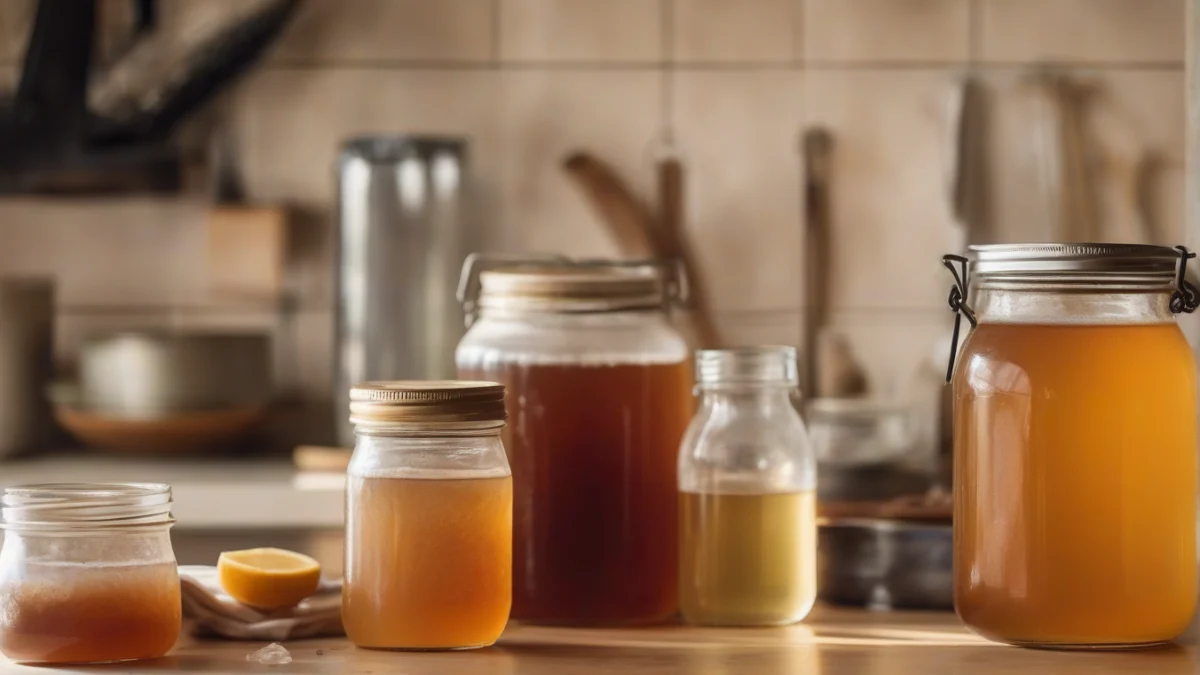
clear glass jar filled with light brown kombucha and a SCOBY floating on top
A 1 gallon jar with kombucha and SCOBY during fermentation

Start with 1 gallon (128 oz) of water, 1 cup (200 g) of granulated sugar, 8 bags of black or green tea, 2 cups (16 oz) of starter kombucha or unflavored store-bought kombucha, and one SCOBY (symbiotic culture of bacteria and yeast). Use a 1-gallon food-grade glass jar with a wide mouth and a breathable cover like a clean cloth or paper towel secured with a rubber band.

Ingredients and Equipment
1 gallon (128 oz) filtered water
1 cup (200 g) granulated sugar
8 black or green tea bags
2 cups (16 oz) starter kombucha
1 SCOBY
1-gallon food-grade glass jar with wide mouth
Clean cloth or paper towel and rubber band for covering
Bottles with tight lids for bottling
1
Brew the Sweet Tea
Bring the water to a boil, then remove from heat. Add the sugar and stir until dissolved. Add the tea bags and steep for 10 minutes. Remove the tea bags and let the sweet tea cool to room temperature (about 70–75°F). Cooling before adding the SCOBY prevents damage from heat.
2
Combine and Add SCOBY
Pour the cooled sweet tea into your glass jar. Add the 2 cups of starter kombucha to acidify the mixture and jump-start fermentation. Gently place the SCOBY on top.
3
Cover and Ferment
Cover the jar with a clean cloth or paper towel and secure with a rubber band. Keep the jar in a warm, dark place (about 68–85°F) for 7 to 10 days. The fermentation time depends on your taste preference: shorter for sweeter, longer for more tart kombucha.
4
Test and Bottle
After 7 days, taste the kombucha with a clean spoon. When it reaches your preferred balance of sweetness and tang, remove the SCOBY and 2 cups of kombucha to use as starter for your next batch. Pour the rest into bottles with tight lids for carbonation, and store at room temperature for 1 to 3 days.
5
Refrigerate and Serve
Once bottled and slightly carbonated, refrigerate the kombucha to slow fermentation. Chill before drinking. Consume within a month for best flavor and safety.
North Mountain Supply 1 Gallon Wide-Mouth Glass Jar with Lid
Ideal Fermenting Jar
North Mountain Supply 1 Gallon Wide-Mouth Glass Jar with Lid
Use a 1-gallon wide-mouth glass jar like product 1 for easy filling, cleaning, and safe fermentation.
Check price on Amazon

The sugar content in kombucha decreases during fermentation but starts at about 1 cup (200 g) per gallon. A typical 8 oz serving contains roughly 2 to 3 grams of residual sugar, depending on fermentation length and starter strength.

DrinkAdded sugar per servingServingsTotal
8 oz homemade kombucha3 g13 g
Total3 g
Daily added sugar limit for women (about 25 g) (25 g)12%
An 8 oz serving of homemade kombucha contributes about 3 g of added sugar, well below typical daily limits. Totals are calculated from the amounts shown; labels vary by size and brand, so check the one you have.
Fermentation Safety
Do not use metal containers or lids during fermentation as they can react with the acid and harm the SCOBY. Always use clean equipment and wash hands before handling your SCOBY to prevent contamination.
Equipment and Ingredients Needed
All you need to get started with your gallon batch
North Mountain Supply 1 Gallon Wide-Mouth Glass Jar with Lid
Ideal for fermenting
North Mountain Supply 1 Gallon Wide-Mouth Glass Jar with Lid
This wide-mouth glass jar is perfect for fermenting kombucha, offering easy access for adding ingredients and cleaning. Its food-grade glass and BPA-free lid ensure safe, flavor-neutral storage for your probiotic brew.
Check price on Amazon

Adjusting Kombucha for Health Needs and Sugar Limits

You can reduce the sugar in your homemade kombucha without stopping the fermentation, but the amount matters. Using about 1 cup of sugar per gallon supports the SCOBY’s activity to produce that characteristic tang and slight fizz. Cutting below ¾ cup risks a weak fermentation and a flatter drink.

To lower sugar, try using less in the initial tea brew and allow fermentation a bit longer, up to 14 days. Taste daily after day 7 to catch the balance that suits you. If you need an even sweeter kombucha without adding more sugar, consider adding a small amount of natural, no-calorie sweetener like stevia after fermentation—never before, as it won’t feed the culture.

If acidity or potassium are concerns—common with kidney issues—you can swap black or green tea for herbal teas like rooibos or chamomile, which are lower in caffeine and potassium. Keep in mind these teas ferment differently, so monitor taste and fermentation time carefully.

Caffeine content depends on the tea used. Black and green teas have about 20 to 50 mg of caffeine per 8 oz cup before fermentation, but fermentation reduces caffeine slightly. If caffeine sensitivity is an issue, choose herbal teas or decaffeinated options to make your kombucha gentler.

How to Make Homemade Apple Juice for Kombucha

How to Make Homemade Apple Juice for Kombucha

Fresh homemade apple juice can be a tasty base for kombucha flavoring in secondary fermentation, but it needs careful preparation. Start by washing and chopping about 10 to 12 medium apples, then press or blend them and strain through a fine mesh or cheesecloth to remove pulp. To keep it safe, heat the juice to about 160°F (71°C) for 15 seconds — a light pasteurization that reduces spoilage microbes without cooking the flavor.

Avoid adding unpasteurized juice directly to kombucha unless you’re sure of its quality and freshness, as it could introduce unwanted bacteria. Use up to 1 cup of pasteurized apple juice per gallon of kombucha during secondary fermentation for a pleasant fruity fizz.

If you want to make a simple homemade apple juice without pressing, you can blend apples with a little water and strain well. This juice is best consumed fresh or pasteurized soon after to avoid fermentation outside your control.

Steps to Adjust Kombucha Sugar and Ingredients Safely

1
Use less sugar at the start
Start with ¾ to 1 cup sugar per gallon to keep fermentation active.
2
Choose gentle teas
Swap black or green tea for rooibos, chamomile, or decaffeinated tea for lower caffeine and potassium.
3
Pasteurize added juices
Heat any fresh juice like apple juice to 160°F for 15 seconds before adding to secondary fermentation.
4
Taste test regularly
Check flavor after day 7 and decide when it suits your preference and digestion.
Sugar and Fermentation
Sugar feeds the SCOBY to produce beneficial acids and carbonation. Cutting sugar too much slows fermentation and leaves a sweet, less tangy kombucha.
Good for
Lower-sugar kombucha supports blood sugar control and kidney health.
Herbal or decaf teas reduce caffeine and potassium load.
Pasteurized juice additions add flavor safely.
Not for
Very low sugar may stall fermentation.
Some herbal teas alter traditional kombucha flavor.
Unpasteurized juice risks contamination and off-flavors.

Common Mistakes That Ruin Your Kombucha Batch

Mistakes in hygiene, temperature, and SCOBY care can spoil your kombucha or cause mold, so attention to detail matters.

Use only clean hands and utensils when handling the SCOBY or the brew. Even small contamination can introduce unwanted microbes that outcompete the beneficial fermentation.

Keep your brewing environment between 68°F and 85°F. Temperatures outside this range slow fermentation or encourage mold.

SCOBY problems include discoloration, strange smells, or sliminess beyond the usual jelly texture. If your SCOBY looks black or fuzzy, it’s mold and you must discard the batch and SCOBY.

A healthy SCOBY grows new layers and smells slightly vinegary or yeasty, never rotten or musty. If the SCOBY sinks or breaks apart, it might still ferment but expect slower or weaker results.

Avoid using containers that aren’t food-grade glass, stainless steel, or BPA-free plastic. Metal containers can react with the acidic kombucha, altering flavor and safety.

Many people ask about making kombucha with homemade apple juice. Freshly pressed juice is okay if you filter out pulp and pasteurize it by heating to 160°F for 15 seconds to kill wild yeasts and bacteria that can spoil fermentation.

To make homemade apple juice safely for kombucha, wash and core apples, then press or blend and strain the juice. Heat it gently to pasteurize before cooling and adding tea and sugar for the SCOBY.
Watch for Mold
Mold looks fuzzy and colored (blue, green, black). If you see mold, throw away the whole batch and SCOBY. Don’t try to scrape it off or keep brewing.
From JuicerAdvices · our own guideGut-Friendly Drinks Guide: the printable guide and its Excel calculatorGut-Friendly Drinks GuideDrinks that are gentler on reflux, constipation and a sensitive stomach: what to sip, how much, and what to swap.Acidity chart for 40 common drinksDrinks for reflux, constipation, bloating and stomach bugsDrink and symptom tracker (Excel)$14.99 $9.99Get it for $9.99See what's inside and watch the 2-minute video →16-page printable PDF + Excel calculator · instant download · 30-day refund

Food Safety Tips for Homemade Kombucha

Washing all fruit, tea leaves, jars, and utensils thoroughly before brewing prevents contamination that could spoil your kombucha.
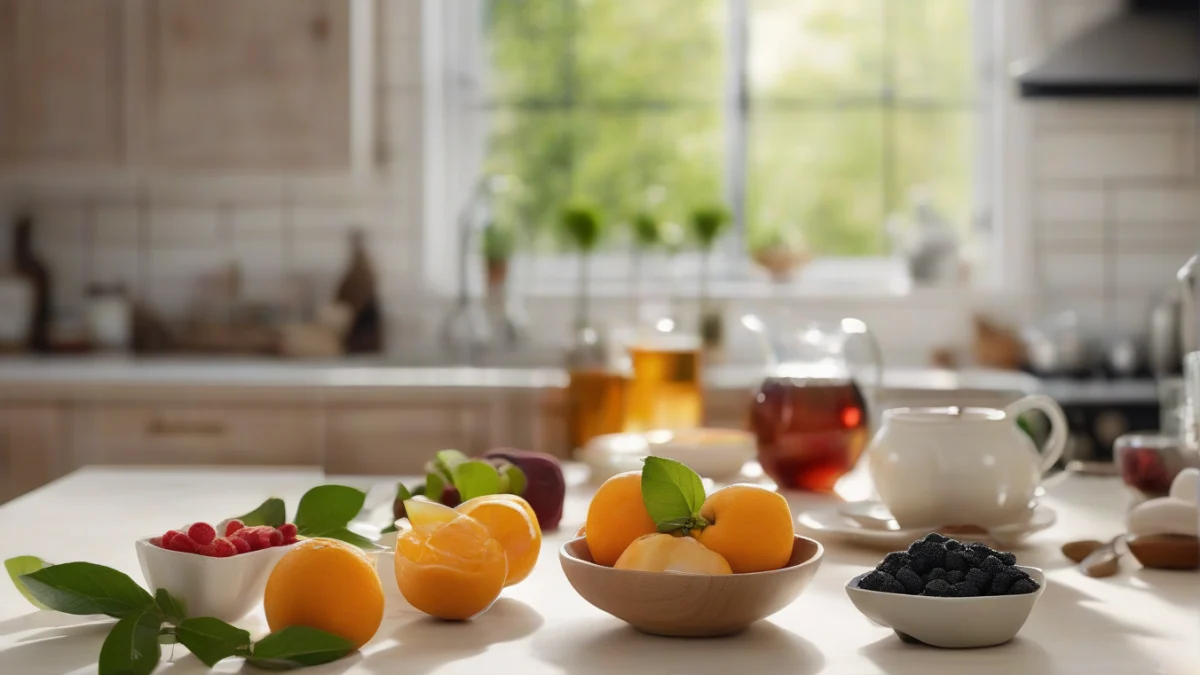
fresh green tea leaves, washed fruit, and clean utensils arranged neatly
Properly cleaned ingredients and utensils to ensure safe kombucha brewing

Unpasteurized juices can carry harmful bacteria or wild yeasts that compete with the SCOBY, risking off flavors or unsafe batches.

Store finished kombucha in the refrigerator to slow fermentation and preserve flavor. It can last for about 1 to 3 weeks chilled before quality declines.

Be careful when handling hot water or liquids during tea brewing to avoid burns. Use oven mitts and pour slowly.

If you use a blender or juicer for homemade apple juice, unplug it before cleaning or clearing jams. Keep your fingers away from blades at all times.

For homemade apple juice to be safe in kombucha, wash apples well, remove any bruised spots, and pasteurize the juice by heating to about 160°F for at least 15 seconds, then cool before use.

Safety Around Hot Liquids
Hot water used to brew tea can cause serious burns. Always handle with care and keep equipment on stable surfaces.
When to Call Your Doctor
If you notice unusual mold growth, foul smells, or signs of spoilage in your kombucha batch, or if you feel sick after drinking homemade kombucha, seek medical advice.
Visible mold on the kombucha or SCOBY
Strong rotten or chemical odors
Stomach pain, vomiting, or diarrhea after drinking kombucha

Frequently Asked Questions

How long does it take to ferment 1 gallon of kombucha?
Fermentation usually takes about 7 to 10 days at room temperature. The exact time depends on your taste preference and the ambient temperature—warmer conditions speed it up. You’ll know it’s ready when it tastes balanced between sweet and tangy.
Can I make kombucha without a SCOBY?
A SCOBY is essential for kombucha fermentation because it contains the bacteria and yeast that transform sweet tea into kombucha. Without it, fermentation won’t occur properly, and you won’t get the characteristic flavor or probiotics. You can try to grow a SCOBY from store-bought raw kombucha, but starting with one is best.
What is the best tea to use for kombucha?
Plain black or green tea works best because they provide the right nutrients for the SCOBY. Avoid teas with oils, flavors, or additives like Earl Grey or herbal blends, as these can harm the culture or affect fermentation. You can experiment with blends after the first fermentation.
How much sugar is in one serving of homemade kombucha?
The sugar content decreases during fermentation because the SCOBY consumes it. A typical 8 oz serving might have about 2 to 6 grams of sugar, depending on fermentation length. Longer fermentation means less sugar but a more sour taste.
Is it safe to drink kombucha during pregnancy?
Kombucha contains live cultures and small amounts of alcohol from fermentation, so it’s best to limit intake during pregnancy. If you choose to drink it, keep it to about 4 oz (half a cup) once a day and make sure it’s properly brewed and refrigerated. Discuss with your healthcare provider if you have concerns.

Editor

Emily Jones edits JuicerAdvices: plain answers about juices, teas, coffee and everyday drinks, how much is safe, and how they fit with common health conditions, medicines and medical procedures. Every guide is checked against public health and nutrition sources and tells you when to ask your doctor or pharmacist.

More in Drinks