You can extract cranberry juice at home by simmering cranberries on the stovetop, cold-blending and straining, or manually pressing with a potato masher. Each method takes 15 to 40 minutes and yields about 2 to 3 cups of juice from a 12-ounce bag of fresh cranberries, depending on how firmly you press the pulp.
Most people add sugar right away, then wonder why their blood glucose spikes or their reflux flares. Cranberries are naturally tart—about as acidic as lemon juice—but you don’t need to sweeten the juice during extraction. You can taste it first, dilute it with water or apple juice, or leave it tart for mixing into smoothies and cocktails.
The method you choose depends on what you have in the kitchen and whether you want to preserve heat-sensitive nutrients like vitamin C. A stovetop simmer is fast and yields the most juice; cold blending keeps more nutrients intact but requires a high-powered blender and produces slightly less juice; manual pressing works without electricity but takes more effort and time.
What to remember
Simmer 12 oz cranberries with 3 cups water for 15 minutes, then strain through cheesecloth to yield about 3 cups of juice.
Cold blending retains more vitamin C than heat, but you’ll get about half a cup less juice from the same amount of berries.
Fresh cranberry juice keeps 5 to 7 days refrigerated in an airtight container; freeze it in ice cube trays for longer storage.
Don’t add sugar during extraction—taste the finished juice first and sweeten only what you’ll drink that day.
Wash cranberries thoroughly and discard any that are soft, shriveled, or moldy before extracting.
Three Ways to Extract Cranberry Juice at Home
The 3 Easy Home Methods for Extracting Cranberry Juice are stovetop simmering, cold blending, and manual pressing. Choose simmering for about 3 cups of juice in 30 to 40 minutes, cold blending for about 2 cups with the least heat, or manual pressing for a small batch without equipment.
Cranberries don’t release juice like apples or sugarcane; their firm skins and pulp need water, heat, or strong crushing. If you searched for extracting sugarcane juice at home, that means crushing or pressing peeled stalks, so these cranberry methods won’t apply. For apples, see these home made apple juice methods.
Method
Yield From 12 oz Cranberries
Active Time
Equipment
Nutrient Retention
Stovetop simmer
About 3 cups
20 to 30 minutes; 30 to 40 minutes total
Pot, strainer, cheesecloth
Moderate; heat can reduce some vitamin C
Cold blender
About 2 to 3 cups
10 to 15 minutes
Blender, water, fine strainer
Highest; no cooking heat
Manual press
About 2 cups
15 to 25 minutes
Potato masher, bowl, strainer
Moderate; depends on pressing and optional warming
The final yield changes with berry size, added water, and how firmly you press the pulp.
The cold blender method suits you if preserving heat-sensitive vitamin C matters more than getting the clearest juice. Manual pressing is the practical choice for a small amount or a kitchen without a blender. Stovetop simmering usually extracts the most liquid because heat softens the berries and helps them burst.
One useful distinction
All three methods produce unsweetened cranberry juice unless you add sugar or another sweetener. Straining removes much of the pulp, so the finished drink won’t have the same texture as a cranberry smoothie.
Stovetop Simmer Method: Highest Yield
The stovetop simmer method gives you the highest yield: about 3 cups of cranberry juice from 12 ounces of cranberries and 3 cups of water.
Gather These Ingredients
12 oz fresh or frozen cranberries
3 cups water
Optional: 1 tablespoon lemon juice for a brighter, sharper flavor
1
Rinse the berries
Place the cranberries in a colander and rinse them under cool running water. Pick out shriveled berries, leaves, and stems.
2
Combine in a pot
Put the cranberries and 3 cups of water in a medium pot. Add the optional lemon juice now if you want a more tart flavor.
3
Bring to a boil
Set the pot over medium-high heat and bring the mixture to a boil. Stir carefully as the berries begin to soften.
4
Simmer for 15 minutes
Lower the heat and simmer for 15 minutes. Watch for most of the berries to burst; a few whole berries are fine.
5
Strain and press gently
Pour the hot mixture through cheesecloth or a fine strainer into a heat-safe bowl. Press the pulp gently with a spoon to release juice, but don’t force every bit of solids through.
6
Chill the juice
Let the juice cool briefly, transfer it to a clean covered container, and refrigerate it. Use it within 5 to 7 days.
Handle Hot Juice Carefully
Wash the cranberries before cooking, and keep your face and hands away from steam and splashes while you strain. Use a heat-safe bowl because boiling liquid can crack ordinary glass. Refrigerate the strained juice promptly; discard it if it develops an off smell, mold, or unusual fizz.
Save the Pulp
Don’t throw away the strained cranberry pulp. Stir it into cranberry sauce, oatmeal, muffins, or quick bread, removing any tough stems first.
Cold Blender Method: Maximum Nutrient Retention
Cold blending is the better choice if you want to limit heat exposure and retain more vitamin C. Heat can degrade vitamin C and some antioxidant compounds, while this method skips the simmering step; straining still removes most of the cranberry pulp.
Gather These Items
12 ounces fresh cranberries
A high-powered blender strong enough to break down firm cranberries
2 to 3 cups cold water
A nut milk bag or fine-mesh strainer
A clean bowl and a covered container
1
Rinse the berries
Pick out soft or damaged cranberries, then rinse the remaining berries under cool running water.
2
Blend with cold water
Add the 12 ounces of cranberries and 3 cups of cold water to the blender. Blend until the berries are broken down and the mixture looks evenly pulpy.
3
Strain and squeeze gently
Set a nut milk bag or fine-mesh strainer over a bowl. Pour in the blended mixture, then squeeze the bag or press the pulp gently to release the juice.
4
Chill immediately
Pour the strained juice into a covered container and refrigerate it promptly. Cold storage helps protect the juice’s fresh quality.
A strong blender matters here because fresh cranberries are firm and their skins can stay intact in a weak blender. If the motor struggles, pause briefly, scrape down the sides, and blend again rather than forcing the machine.
Expected Yield
Plan on about 2.5 cups of juice from 12 ounces of cranberries. The exact amount depends on how much liquid remains in the pulp and how firmly you squeeze the straining bag.
From JuicerAdvices · our own guidePage 11 has the smoothies, with exact amounts and swaps.Home Juicing Starter KitMake fresh juice that tastes good, costs less and keeps safely: 40 recipes with exact amounts, a yield chart and a 4-week plan.40 juice, smoothie and shot recipesYield, storage and food-safety chartsCost, yield and shopping-list calculator (Excel)$14.99$9.99Get it for $9.99See what's inside and watch the 2-minute video →18-page printable PDF + Excel calculator · instant download · 30-day refund
Manual Press Method: No Equipment Needed
Manual pressing works best for a small batch when you don’t have a blender or stove available, or when you want to control how much juice you press from each berry. It takes the most effort and gives the lowest yield, but it can still produce useful cranberry juice in a pinch.
Gather These Items
12 ounces fresh cranberries
A potato masher or heavy fork
A large bowl
2 cups warm water, not boiling
Cheesecloth and a second bowl or pitcher
1
Rinse and sort
Remove soft or damaged berries, then rinse the cranberries under cool running water.
2
Mash thoroughly
Place the berries in the bowl and press them firmly with a potato masher or heavy fork until most skins have split.
3
Add warm water
Pour in 2 cups of warm water and stir until the crushed berries and water are mixed.
4
Let the mixture sit
Leave the bowl undisturbed for 20 to 30 minutes so the water can draw juice from the mashed fruit.
5
Strain and press
Line a strainer with cheesecloth, pour in the mixture, and press the pulp firmly to collect the remaining juice.
This method usually yields about 1.5 to 2 cups from 12 ounces of cranberries. Keep the finished juice covered and refrigerated promptly, since homemade juice has no commercial processing step to extend its storage life.
Adjusting for Health Conditions and Preferences
Cranberry juice can fit many diets, but the safest recipe depends on your symptoms, blood sugar, kidney function, and pregnancy status. For reflux or gastritis, dilute 1 part juice with 2 parts water, skip added sugar, and drink it with food; cranberry’s acidity can sting an irritated stomach or esophagus.
If you have diabetes, leave the juice unsweetened or add a small amount of stevia, then count about 12 g of carbohydrates per 8 oz serving. A bottled unsweetened option can make that swap easier.
For lower-sugar cranberry juice
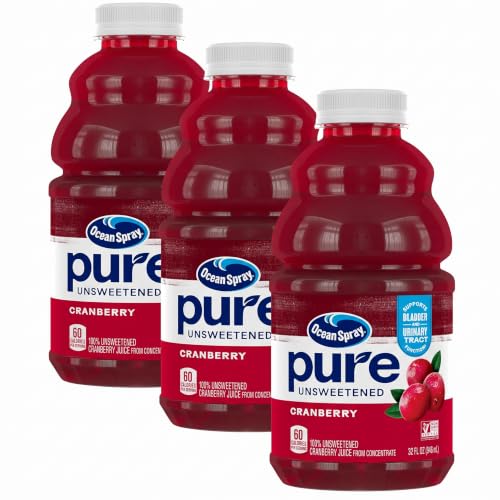
Ocean Spray® Pure Unsweetened Cranberry
Product 1 is unsweetened and lists no added sugar, so you can measure an 8 oz glass without mixing in sweetener. It won’t make cranberry juice less acidic or remove its carbohydrate content.
Values vary by recipe and label; sweetening at the glass gives you more control. Totals are calculated from the amounts shown; labels vary by size and brand, so check the one you have.
Drink
Carbs per serving
Servings
Total
Unsweetened cranberry juice, 8 oz
12 g
1
12 g
Sweetened cranberry drink, 8 oz
34 g
1
34 g
Total
46 g
Count the carbohydrates in your own batch or bottle label, especially if you use insulin or a carbohydrate target. Totals are calculated from the amounts shown; labels vary by size and brand, so check the one you have.
Kidney disease requires more caution because cranberries are high in oxalates. Ask your doctor before drinking cranberry juice regularly; if you’re cleared to use it, limit the serving to 4 oz a day unless your care plan says otherwise.
During pregnancy, cranberry juice won’t treat a urinary infection, although unsweetened juice may help prevent repeat infections for some people. Homemade juice is unpasteurized unless you heat it to 160°F, so pregnant people and anyone with a weakened immune system should use that heat step or choose pasteurized juice.
Get urinary symptoms checked
Cranberry juice isn’t a substitute for testing or antibiotics. Call your care team for burning with urination, fever, back or side pain, blood in the urine, vomiting, or symptoms that are worsening.
Common Mistakes That Ruin the Juice
Small handling mistakes can turn a tart, useful batch into cloudy, bitter juice or create a storage problem. Strain gently, chill promptly, and keep every container clean.
Pressing the pulp too hard. Forcing the berries through a sieve pushes bitter compounds and extra solids into the liquid, making the juice cloudy. Let it drain, or press lightly with the back of a spoon.
Sweetening the whole batch too early. Once sugar dissolves, you can’t remove it. Refrigerate the juice plain and sweeten each glass instead, so you can adjust the amount for reflux, diabetes, or taste.
Using old or moldy cranberries. Sort the bag before cooking or blending; one moldy berry can spoil the batch. Discard soft, leaking, or visibly moldy fruit rather than cutting around the bad spot.
Leaving juice in a loose container. Air speeds oxidation and can flatten the flavor within a day. Use a clean, airtight bottle or jar and leave little empty space at the top.
Failing to chill it immediately. Fresh juice left at room temperature gives bacteria time to multiply quickly. Transfer it to the refrigerator as soon as the batch is cool enough to handle, and don’t leave it sitting out while you finish other kitchen work.
Myth
Fresh juice lasts as long as store-bought juice
Fact
Homemade juice has no preservatives and keeps 5 to 7 days maximum in a clean, airtight container in the refrigerator. Treat that as a maximum, not a guarantee; discard it sooner if it develops mold, fermentation bubbles, an off smell, or an unusual taste.
Freeze extra juice
Pour leftover juice into clean ice cube trays, freeze it, then move the cubes to an airtight freezer bag. Thaw only what you need, and don’t refreeze juice that has already thawed.
Questions People Ask
How much cranberry juice does one bag of fresh cranberries make?
A 12-ounce bag usually makes about 2 to 3 cups of juice. Yield depends on the method, added water, and how firmly you press the cooked or blended pulp.
Can you extract cranberry juice without a juicer?
Yes. Simmer the berries and strain them, cold-blend and strain them, or mash them with a potato masher before pressing through a fine sieve or cheesecloth.
Does homemade cranberry juice need to be refrigerated?
Yes, refrigerate homemade cranberry juice promptly in a clean, covered container. Use it within about 2 to 3 days for best quality, and discard it if it develops an off smell, mold, or unusual bubbling.
How do you make cranberry juice less tart without sugar?
Dilute it with water or blend it with naturally sweeter juice, such as apple or pear juice. Serving it cold can also soften the perception of sourness, while a small amount of cinnamon or vanilla adds flavor without sweetening the drink.
Is cold-pressed cranberry juice better than cooked?
Neither method is always better. Cold blending limits heat exposure, while simmering softens the berries and usually produces a higher yield; straining either method removes much of the pulp and fiber.
Can you freeze fresh cranberry juice for later use?
Yes, freeze it in airtight containers or small portions, leaving room for expansion. Thaw it in the refrigerator, then stir because separation is normal; use thawed juice within a few days.
Before you go · a welcome giftGet the Home Juicing Starter Kit for $4.99Make fresh juice that tastes good, costs less and keeps safely: 40 recipes with exact amounts, a yield chart and a 4-week plan. Normally $14.99; your welcome price saves $10.00. We'll email your link right now.or skip the email and buy it now for $4.99 →One email with your link now. We never share your address.
 Home Juicing Starter KitMake fresh juice that tastes good, costs less and keeps safely: 40 recipes with exact amounts, a yield chart and a 4-week plan.40 juice, smoothie and shot recipesYield, storage and food-safety chartsCost, yield and shopping-list calculator (Excel)