How Much Flavoured Fruit Juice Blend Is Safe to Drink Daily?
On this page 6 sections
Flavoured fruit juice blends are popular for their convenient and tasty mix of fruit flavors. They differ from single-fruit juices by combining several juices into one drink, often labeled as 100% juice or juice blends.
Knowing what goes into these blends and their nutritional profile helps you decide how often and how much to drink, especially if you manage conditions like reflux, diabetes, or acid sensitivity.
Definition of a Flavoured Fruit Juice Blend
A flavoured fruit juice blend is a beverage made by mixing juices from two or more different fruits. These blends often include only the natural juices and sometimes natural flavorings, without added sugars.

Typically, these drinks combine common fruit juices like apple, pineapple, orange, and passion fruit to create a varied taste profile. The goal is to offer a complex flavor that single-fruit juices don’t provide, while maintaining a 100% juice content or close to it.
Production involves blending the juices after they’ve been extracted from the fruit. This process avoids adding extra sugar, relying on the fruits’ natural sweetness. Some blends also include natural flavor extracts to enhance or balance the taste without changing the juice’s basic composition.
Flavoured fruit juice blends differ from juice concentrates, which are made by removing water from the juice and later reconstituting it, often altering flavor and sugar concentration. They also differ from flavored waters, which usually contain little or no real juice and often have added sweeteners and artificial flavors.
| Ingredient | Common Examples |
|---|---|
| Juices | Apple, pineapple, orange, passion fruit, mango |
| Natural Flavors | Citrus extracts, tropical fruit essences |
| Additives | Usually none or minimal, no added sugar |
| Form | Ready-to-drink liquid, no concentrate or powder |
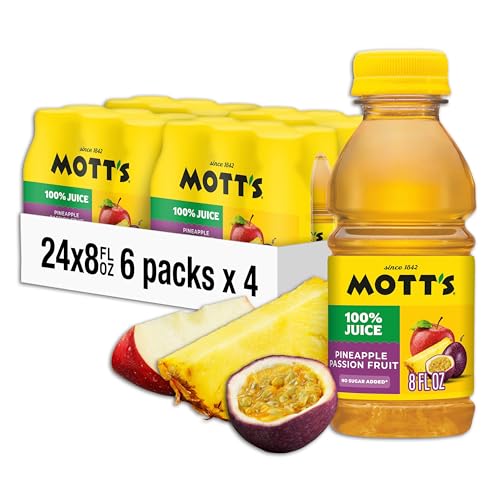
For example, Mott’s 100% Pineapple Passion Fruit Juice Blend (product 1) combines apple, pineapple, and passion fruit juices without added sugars or artificial flavors. It provides a tropical taste and delivers vitamin C naturally from the fruit juices.
Check the Label for Sugar and Acidity Levels
Flavoured fruit juice blends usually contain high amounts of natural sugar, often similar to or slightly higher than single fruit juices. You’ll often find 20 to 30 grams of sugar per 8 oz (240 ml) serving, mostly naturally occurring fructose from the fruits themselves.

Natural fruit sugar differs from added sugar in that it comes directly from the whole fruit and accompanies vitamins, minerals and fiber in the fruit’s original form. Added sugars, by contrast, are sweeteners like cane sugar or high-fructose corn syrup added during processing. Most flavoured fruit juice blends don’t have added sugar, but checking the ingredients list is key.
Acidity varies widely depending on which fruits are included. Citrus fruits like oranges, lemons, and grapefruits make the blend more acidic, with a pH often below 4. Non-citrus fruits such as apples, pears, and berries tend to be less acidic, with pH closer to 4.5 or higher. For reflux or sensitive stomachs, lower acidity matters because acidic drinks can trigger heartburn and irritation.
If you want a non-acidic or low-acid juice blend, look for those made mostly from apples, pears, or watermelon and avoid blends heavy on citrus or pineapple. Some blends use fruit juice concentrate as their base, which is juice that’s had water removed and then often re-added. Concentrates can be sweeter and sometimes more acidic than fresh juices, so check the label carefully.
Nutrition labels give clues about sugar and acidity. Look for total sugars to see how much is naturally present plus any added sugars listed separately. Ingredients are listed in descending order by weight; if sugar or syrup is near the top, the product has added sweeteners. For acidity, there isn’t a direct label item, but citrus juice or lemon juice concentrate in the ingredients means higher acidity.
| Label item | What to look for |
|---|---|
| Total sugars | Usually 20-30 g per 8 oz serving from fruit |
| Added sugars | Often zero; any listed means extra sweeteners |
| Ingredients | Citrus juices indicate higher acidity |
| Fruit juice concentrate | Can mean higher sweetness and acidity |

People Who Should Limit Flavoured Fruit Juice Blends
People recovering from pancreatitis or on clear liquid diets are often advised to choose low-acid, diluted fruit juices like apple or pear diluted with water. These are gentler on the pancreas and stomach.
If you have acid reflux or GERD, flavoured fruit juice blends with citrus or pineapple can worsen symptoms. Their acidity relaxes the lower esophageal sphincter and irritates the lining, so it’s best to avoid or dilute these drinks to reduce acid exposure.
Diabetes requires careful sugar monitoring. Even without added sugar, juice blends can raise blood sugar quickly because fruit sugars absorb fast. Limit intake to about 4 oz (half a cup) per day or choose low-sugar, non-citrus blends like pear or watermelon juice.
Kidney disease patients need to watch potassium and sugar intake. Many fruit juices are high in potassium, which can build up dangerously if kidney function is reduced. Diluting juice blends with water lowers potassium and sugar concentration, making them safer in small amounts.
For clear liquid diets after medical procedures, your care team usually approves certain diluted juices like apple or pear. These are low acid and easier to tolerate. Low-calorie juices or juice blends without added sugars are better choices if calorie control is part of your health plan.
Diluting juice blends halves the sugar and acid load per serving, easing symptoms and reducing blood sugar spikes. Try mixing equal parts water and juice to make a drink that tastes good but is gentler on your system.
If you need a low-acid, low-sugar alternative, consider coconut water or herbal teas without added sugar. These provide hydration without the acidity or sugar load of fruit juice blends.
How Flavoured Fruit Juice Blends Compare to Other Drinks
Flavoured fruit juice blends differ from single fruit juices mainly in variety and taste, but they often share similar sugar and calorie levels. These blends mix juices from multiple fruits, sometimes using fruit juice concentrate—a form where water is removed to thicken and preserve the juice. Concentrates have higher sugar density and calories per ounce compared to fresh juices.
Juice concentrates also undergo filtering to remove pulp, resulting in a smoother drink but less fiber. Removing pulp means these juices lose some of the natural fiber that helps slow sugar absorption, which can affect blood sugar levels.
Single fruit juices, by contrast, can vary in pulp content. For example, orange juice often contains pulp, adding fiber and a slightly lower glycemic impact than filtered juices. Flavoured blends may have pulp, but many commercial brands filter it out for a uniform texture.
Flavored waters and juice drinks are different. They usually contain less fruit juice—sometimes only a few percent—and add ingredients like sweeteners, artificial flavors, or preservatives. These drinks tend to be lower in calories and sugar but may include additives that some prefer to avoid.
| Drink Type | Sugar Content | Calories per 8 oz | Fiber | Added Ingredients |
|---|---|---|---|---|
| Flavoured Fruit Juice Blend | High (varies) | 90-130 kcal | Low to none | Usually none |
| Single Fruit Juice | High | 80-120 kcal | Some if pulp included | None |
| Juice Concentrate (reconstituted) | High | 100-140 kcal | None | None |
| Flavored Water / Juice Drink | Low to moderate | 5-50 kcal | None | Sweeteners, flavors, preservatives |
For hydration, flavored waters are often better due to lower calories and sugar. If you want vitamins and antioxidants, a 100% fruit juice blend or single juice offers more nutrients but watch portion sizes.
If your goal is to manage sugar intake or acidity, flavored waters or diluted juices can help. Diluting juice blends with water reduces sugar concentration and acidity, making them gentler on the stomach and teeth.
Choosing and Using Flavoured Fruit Juice Blends Safely
Pick juice blends labeled 100% juice with no added sugars and moderate acidity. Check nutrition labels for sugar content; aim for blends with under 25 grams of sugar per 8 oz serving if possible.
Most adults can safely enjoy about 4 to 6 oz of flavoured fruit juice blend once a day. People with diabetes or acid reflux may want to limit servings to 2 to 4 oz and dilute with water.
Store juice blends unopened in a cool, dark place. After opening, keep them refrigerated and consume within 7 days to avoid spoilage or fermentation, which can cause stomach upset.
Diluting juice blends with water reduces sugar and acidity. Try mixing half juice and half water if you notice discomfort or want a lighter drink.
If you accidentally drink juice that tastes off or has been stored too long, symptoms like nausea or mild stomach cramps usually appear within a few hours. Stop drinking it and stay hydrated with water or electrolyte drinks.
Looking for a low-calorie store-bought fruit juice? Some brands offer blends with lower natural sugar, but reading the nutrition label is key. Unsweetened flavored waters or diluted juice blends often provide fewer calories.
For more about juice calories and what to pick, see fruit juice with low calories.