Drinking Lemon Juice at Night: Benefits and Drawbacks
On this page 6 sections
- Drinking Lemon Juice at Night Has Benefits and Risks
- How Much Lemon Juice at Night Is Safe and Why It Matters
- Best Time to Drink Lemon Juice at Night
- Who Should Avoid or Limit Lemon Juice at Night and Safer Alternatives
- Protect Teeth and Reduce Discomfort When Drinking Lemon Juice at Night
- Questions People Ask
Lemon juice is a popular addition to water for its vitamin C and refreshing taste. Many wonder if drinking it at night brings extra benefits or risks, especially for sleep, digestion, and oral health. This article explains how much lemon juice to drink at night, the best timing, and who should be cautious.
You’ll find practical advice on protecting your teeth from acid erosion, avoiding heartburn, and how lemon water interacts with your body’s rhythms. The goal is to help you decide if lemon juice fits your evening routine safely.
Drinking Lemon Juice at Night Has Benefits and Risks
Yes, drinking lemon juice at night is beneficial with limits: about 4 oz (half a cup) diluted in 8 to 12 oz water. This amount provides hydration, vitamin C, and antioxidants while reducing risks linked to acidity and sleep disruption.

Lemon juice has a pH of around 2.2, making it quite acidic. Undiluted or large amounts can erode tooth enamel and worsen acid reflux, especially if taken close to bedtime. Diluting the juice in water lowers acidity, lessening its impact on your teeth and stomach.
A typical half lemon offers about 15 to 18 mg of vitamin C, an antioxidant that supports your immune system and may help reduce oxidative stress. Lemon juice also contains flavonoids and alkaloids, compounds with mild anti-inflammatory effects.
Besides vitamin benefits, lemon water hydrates and stimulates digestion without heavy calories. However, its mild diuretic effect can increase urine production, possibly causing nighttime bathroom trips that disrupt sleep.

How Much Lemon Juice at Night Is Safe and Why It Matters
About 4 oz (half a cup) of lemon juice diluted into 8–12 oz of water is a safe nightly limit for most healthy adults, and many people do well with 1–2 oz instead. Keeping your night-time lemon water inside this range gives you vitamin C and flavor while lowering the acid concentration that can bother your stomach or teeth.
More than about 4 oz of straight lemon juice pushes a lot of citric acid across your teeth and esophagus in one sitting. Tooth enamel starts to soften below a pH of about 5.5, and undiluted lemon juice sits near pH 2–2.5, so sipping it all evening or taking shots is far more likely to erode enamel or trigger sensitive teeth.
Diluting half a cup of juice in at least 8 oz of water raises the pH and spreads out the acid, lowering the risk of enamel wear and heartburn. If you know acidic drinks bother your teeth or stomach, staying closer to 1–2 oz of lemon juice at night is usually kinder to your body.
That 8–12 oz of lemon water also counts toward your evening fluids; if you drink much more than about 16–20 oz within two hours of going to bed, you are more likely to wake up to urinate. People with overactive bladder, prostate problems, or later pregnancy often need to cap total bedtime fluids even lower to protect their sleep.
Some people say their body feels hot after lemon water at night, but lemon itself does not raise your core body temperature. Warm lemon water, acid that splashes up into the chest, or a mild flushing response to an acidic drink can feel like internal heat, so if that happens to you, shrink the lemon juice to 1–2 oz, cool the drink, or skip it before bed.
Four ounces of lemon juice contain roughly 80 mg of potassium, which is a modest amount for most people with healthy kidneys. If you take ACE inhibitors, ARBs, or potassium-sparing diuretics for blood pressure or heart failure, or you have kidney disease, keep your portion small and let your prescribing team know about regular lemon drinks, because all sources of potassium add up over the day.
From a weight perspective, 4 oz of lemon juice mixed with water adds only about 25–30 kcal and almost no sugar, so it is far lighter than juice or soda at night. Keeping it unsweetened means your bedtime drink is unlikely to spike blood sugar or add many extra calories to your day.
If you like lemon water in the morning as well as at night, aim for no more than about 4–6 oz of lemon juice total across the whole day, divided into two or three diluted drinks. That plan gives you a steady supply of vitamin C roughly 15–18 mg per 4 oz serving without bathing your teeth in acid all day long.
| Component | Amount per 4 oz lemon juice | Why It Matters at Night |
|---|---|---|
| Vitamin C | 15–18 mg | Supports immune and antioxidant functions with very few calories |
| Potassium | ~80 mg | Usually modest, but can add to potassium from food and medicines |
| Acidity (pH) | ~2–2.5 undiluted | High acid can erode enamel and trigger reflux if not well diluted |
| Fluid volume | 8–12 oz water with juice | Helps avoid frequent nighttime urination compared with larger drinks |
| Calories | ~25–30 kcal | Low-calorie alternative to juice or soda for an evening drink |
Best Time to Drink Lemon Juice at Night
Drinking lemon juice at night works best about 30 to 45 minutes after a light meal. This timing lets your stomach start digesting food and buffers the acidity from the lemon juice, reducing the risk of irritation or acid reflux.
Drinking lemon water right before bed can increase acid reflux and heartburn because lying down soon after an acidic drink allows stomach acid to move up the esophagus more easily. It can also increase nighttime urination, disrupting your sleep cycle.
Warm lemon water is more soothing and less likely to disturb sleep compared to cold lemon water, which may stimulate your body and make it harder to fall asleep. However, there’s no strong scientific evidence that lemon water directly improves sleep quality or melatonin production.
Spacing lemon juice at least one to two hours away from certain medications is wise. Lemon’s acidity and vitamin C content can interact with some drugs, altering their absorption or effects. Check your medication instructions or ask your pharmacist if unsure.
If you wonder whether you should not drink lemon juice at night, the answer depends on your personal tolerance and health. For many, it offers digestion support and hydration benefits when timed well, but for others, it may cause discomfort or sleep disruption.
The benefits of lemon juice at night include providing vitamin C and antioxidants, supporting digestion, and possibly helping maintain hydration. These effects depend on proper dilution and timing to minimize acidity-related drawbacks.
 Home Juicing Starter KitMake fresh juice that tastes good, costs less and keeps safely: 40 recipes with exact amounts, a yield chart and a 4-week plan.40 juice, smoothie and shot recipesYield, storage and food-safety chartsCost, yield and shopping-list calculator (Excel)
Who Should Avoid or Limit Lemon Juice at Night and Safer Alternatives
People with acid reflux, gastritis, stomach ulcers, or sensitive teeth should avoid or limit lemon juice at night. The acidity can worsen symptoms like heartburn, stomach pain, and tooth enamel erosion, especially when consumed close to bedtime.
Frequent nighttime urination can be triggered by lemon water’s mild diuretic effect, so those with sensitive bladders or urinary issues may want to skip it late in the day.
Diluting lemon juice about 1 to 10 with water and drinking it 30 to 45 minutes after a meal helps reduce acidity and lowers the risk of side effects. Most people tolerate this well, but individual sensitivity varies.
Safer alternatives for nighttime hydration and digestion support include warm herbal tea, plain water, or low-acid juices like cranberry or aloe vera juice. These options are gentler on the stomach and less likely to cause reflux or tooth enamel erosion.
For related safer drink ideas, explore cranberry juice and aloe vera juice benefits, which may provide antioxidants and digestive comfort without high acidity cranberry juice aloe vera juice.
If you’re concerned about lemon juice causing insomnia, it’s unlikely unless you consume it right before bed or in large amounts. Its acidity and bathroom effects are the main culprits for sleep disruption, not a direct stimulant effect.
Regarding teeth health, drinking lemon juice at night can harm tooth enamel if undiluted or consumed frequently without proper oral care. Dilution and avoiding sipping slowly over long periods help protect teeth.
Protect Teeth and Reduce Discomfort When Drinking Lemon Juice at Night
Lemon juice at night is easiest on your teeth and digestion if you keep the lemon part small (about 1–2 oz), dilute it in an 8–12 oz glass of water, drink it in one sitting, and then rinse your mouth with plain water.
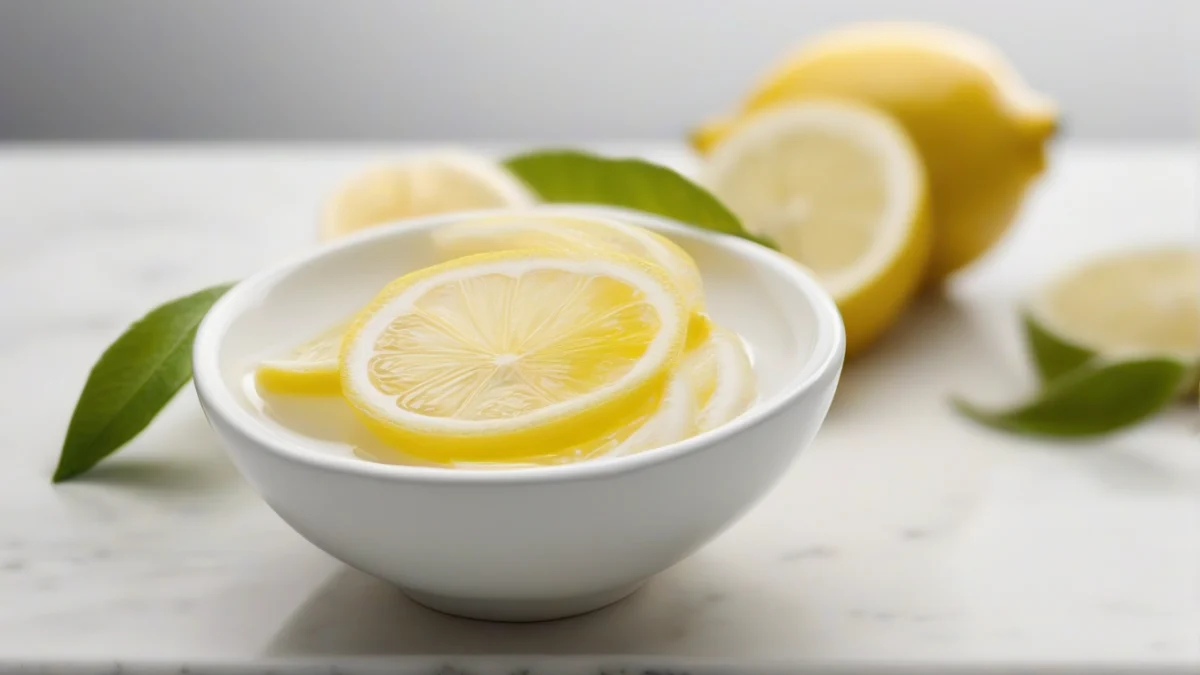
Lemon juice is rich in citric acid citric acid, and frequent contact with strong acid can soften tooth enamel, which starts to dissolve when your mouth stays below a pH of about 5.5.
To lower that risk, avoid straight “shots” of lemon and aim for at least 1 part lemon juice to 8–10 parts water, such as 1–2 tablespoons in an 8 oz glass, instead of very concentrated mixtures.
Finishing the glass within about 10–15 minutes exposes your teeth for a shorter time than sipping the same drink across the whole evening.
Using a straw helps keep the acidic liquid away from the front teeth, especially near the gumline where enamel is thinnest.
Place the straw toward the back of your mouth, take a few steady sips rather than many tiny ones, and avoid swishing the lemon water around your teeth.
Saliva naturally buffers acid and begins to reharden enamel, but its flow slows down at night and is often reduced further by antihistamines, antidepressants, and some blood pressure medicines.
For that reason, rinsing well with plain water after your drink, then letting your mouth rest without more acidic or sugary drinks, matters even more in the evening than it does after a morning glass.
Early signs that lemon water is wearing down your enamel include new sensitivity to hot, cold, or sweet drinks, yellowing or darkening near the gumline, and front teeth that look slightly rough or translucent at the edges.
If you notice changes like these, reduce how often you drink lemon juice at night, stay closer to 1–2 oz when you do have it, and ask your dentist about extra fluoride or other protection.
If lemon water at night makes your chest, throat, or upper belly feel “hot” or burning, the acid is likely triggering heartburn or reflux.
To reduce irritation, keep your lemon dose small and well diluted, drink a full glass of plain water or rinse your mouth afterward, avoid lying down right away, and skip it at night if you already get acid reflux after evening meals; if you take reflux medicines, keep taking them as prescribed and ask your prescriber or pharmacist before changing how or when you drink acidic beverages.
Cool or room‑temperature water usually feels gentler on an irritated esophagus than very hot water, and avoiding spicy, fried, or heavy foods at the same time can also limit that burning sensation.
Many people mix lemon juice into a fiber drink at night; that is generally safe if you use at least the amount of water the fiber label recommends, often 8 oz or more, and stir and drink it promptly before it thickens.
If you feel bloated, gassy, or more reflux‑prone when you combine lemon and fiber late in the evening, separate them by 30–60 minutes or move the fiber dose earlier, and keep taking any prescribed fiber exactly as directed.
Lemon water itself is mostly fluid, so any extra evening glass can increase how often you urinate and may wake you from sleep.
For fewer bathroom trips, limit yourself to one 8–12 oz lemon drink in the evening and try to finish it at least 2 hours before bed instead of sipping right up to lights‑out.