An 8 oz cup of unsweetened tea has about 20 to 40 mg of caffeine, roughly a fifth of a typical cup of coffee. This means unsweet tea contributes moderate caffeine that can affect sensitive people and daily totals.
Many people believe unsweetened tea is caffeine-free, but that’s only partly true. Unsweetened means no added sugar, not no caffeine.
Understanding the caffeine content helps you decide how much unsweetened tea to drink, especially if you are watching caffeine for health reasons.
Key takeaways
Unsweetened tea contains caffeine, about 20 to 40 mg per 8 oz cup, less than coffee but enough to notice.
The caffeine amount varies by tea type and brewing method but is always present unless explicitly labeled caffeine-free.
People with pregnancy, heart rhythm issues, or caffeine sensitivity should limit unsweetened tea intake accordingly.
Unsweetened tea has no added sugar or calories, making it a good choice over sweetened drinks if you want to avoid sugar.
Checking caffeine amounts on specific brands helps manage intake, especially if you drink multiple caffeinated beverages daily.
Caffeine Content in Unsweet Tea
Yes, unsweet tea contains caffeine. An 8 oz cup typically has about 20 to 40 mg of caffeine, which is roughly a fifth of the amount found in a typical cup of coffee.
The term “unsweet” means no sugar or sweeteners have been added, but it does not mean the tea is caffeine-free. The caffeine naturally comes from the tea leaves themselves.
Caffeine amounts vary depending on the type of tea leaves used and how strong the tea is brewed. For example, black tea generally has more caffeine than green or white tea when brewed the same way.
Compared to other common caffeinated drinks, an 8 oz unsweet tea has less caffeine than an 8 oz cup of coffee, which averages about 95 mg, and less than a 12 oz soda, which typically contains 30 to 40 mg.
If you want a gentle caffeine boost
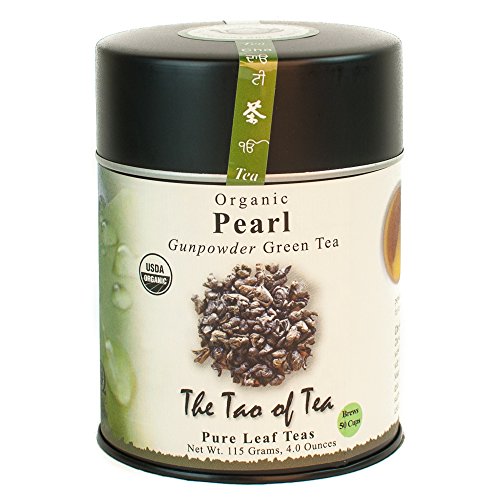
The Tao of Tea
The Tao of Tea Pearl Green Tea offers organic green tea leaves with moderate caffeine levels, making it a good choice if you want to enjoy unsweet tea with less caffeine than black tea.
Caffeine content in commercial unsweetened teas varies by brand and brewing process. Factors such as leaf quality, blend, and steeping time influence the final caffeine level.
For example, Gold Peak unsweetened tea contains about 15 to 20 mg of caffeine per 8 oz serving, while Pure Leaf unsweetened tea usually has around 30 to 40 mg per 8 oz.
Brand
Serving Size
Caffeine per Serving (mg)
Gold Peak Unsweetened Tea
8 oz
15-20
Pure Leaf Unsweetened Tea
8 oz
30-40
The Tao of Tea Pearl Green Tea (brewed)
8 oz
20-40
Caffeine content varies by brand and serving size for unsweetened teas.
These differences reflect variations in tea leaf types and how each brand brews or processes their tea. Steeping longer or using more leaves increases caffeine.
Drink
Caffeine per serving
Servings
Total
8 oz Gold Peak Unsweetened Tea
20 mg
1
20 mg
8 oz Pure Leaf Unsweetened Tea
35 mg
1
35 mg
Total
55 mg
Daily caffeine limit for most healthy adults (400 mg)
14%
How popular unsweetened teas contribute to daily caffeine intake. Totals are calculated from the amounts shown; labels vary by size and brand, so check the one you have.
Groups Who Should Limit Caffeine From Unsweetened Tea
Yes, unsweetened tea contains caffeine, and some people need to watch their intake carefully. While it has no added sugar or calories, its caffeine can affect blood sugar and heart rhythm in sensitive individuals.
Pregnant women should limit caffeine to about 200 mg per day because caffeine crosses the placenta and can affect fetal development. An 8 oz cup of unsweetened tea with 20 to 40 mg of caffeine counts toward this limit.
People with heart rhythm disorders may find caffeine triggers palpitations or irregular beats. Limiting caffeine to under 200 mg daily helps reduce this risk.
Those with kidney disease often need to control caffeine because it can affect blood pressure and kidney function. Your care team might recommend lower caffeine limits, sometimes as little as 100 mg per day.
For people with diabetes, caffeine can sometimes interfere with blood sugar control or insulin sensitivity. Keeping caffeine moderate and monitoring blood sugar response is wise.
If you’re sensitive to caffeine, even small amounts can cause jitters, insomnia, or digestive upset. Unsweetened tea’s moderate caffeine means it’s often better tolerated than coffee or energy drinks, but it can still add up.
Who Should Watch Unsweetened Tea Caffeine
Pregnant or breastfeeding women limiting caffeine to 200 mg/day
People with irregular heart rhythms advised to keep caffeine low
Individuals with kidney disease following medical caffeine limits
People with diabetes monitoring blood sugar response
Anyone sensitive to caffeine symptoms
Caffeine Caution
If you notice heart palpitations, increased anxiety, or sleep problems after drinking unsweetened tea, cut back and talk to your healthcare provider.
From JuicerAdvices · our own guidePage 6 shows how much caffeine is in each kind of tea, from green to chai.Caffeine & Sugar Drink GuideKnow exactly how much caffeine, sugar and sodium is in 150+ popular drinks, and set daily limits that fit you.Caffeine and sugar in 150+ drinksDaily limits, smart swaps and a cut-back planDaily caffeine and sugar calculator (Excel)$14.99$9.99Get it for $9.99See what's inside and watch the 2-minute video →16-page printable PDF + Excel calculator · instant download · 30-day refund
How to Adjust Your Unsweetened Tea Intake Safely
Safe unsweetened tea intake depends on your caffeine tolerance and health status, but most adults can enjoy 2 to 3 cups a day. That adds up to about 40 to 120 mg of caffeine, fitting comfortably under the 400 mg daily limit for healthy adults.
To stay within your caffeine goals, check the label if you buy bottled or brewed tea, as caffeine content varies. Choose caffeine-free herbal teas if you need to avoid caffeine completely.
Drinking unsweetened tea counts toward your daily fluid intake like water does, and it hydrates well without added sugars or calories.
If you’re mixing drinks with caffeine, add up their caffeine amounts to avoid exceeding your limit. For example, two 8 oz cups of unsweetened tea plus a 12 oz cola can push you close to or over 200 mg of caffeine.
Drink
Caffeine per serving (mg)
8 oz unsweetened tea
20 to 40
12 oz cola
30 to 40
8 oz brewed coffee
95
Typical caffeine amounts to track
Worked Example
Say you drink two 8 oz cups of unsweetened tea in the morning and a 12 oz cola in the afternoon. Your total caffeine intake is about 80 to 120 mg, which fits within a 200 mg daily limit set for pregnancy or heart rhythm concerns.
1
Estimate your caffeine limit
Know your recommended maximum from your healthcare provider or general guidelines.
2
Add up caffeine amounts
Include all drinks with caffeine: tea, coffee, soda, energy drinks.
3
Adjust tea intake
If nearing your limit, reduce the number of cups or switch to decaffeinated or herbal teas.
4
Stay hydrated
Unsweetened tea counts as fluid intake, so it can replace some water but not all.
5
Watch symptoms
If you feel jittery, anxious, or have trouble sleeping, cut back and consult your provider.
Reading Labels
Labels on bottled teas often list caffeine per serving. If not, contact the manufacturer or check their website.
Frequently Asked Questions
Does unsweetened tea always have caffeine?
Most unsweetened teas do contain caffeine because they come from the Camellia sinensis plant, which naturally has caffeine. However, herbal teas labeled unsweetened may be caffeine-free because they use other plants. Always check the label or ingredients if caffeine content matters to you.
Can I drink unsweetened tea if I am pregnant?
You can drink unsweetened tea during pregnancy but should limit caffeine intake to about 200 mg a day from all sources. An 8 oz cup of unsweetened tea has about 20 to 40 mg of caffeine, so moderate consumption is usually safe. If your healthcare provider gave specific caffeine limits, follow those.
Is unsweetened tea better than sweetened tea for blood sugar?
Yes, unsweetened tea is better for blood sugar control because it contains no added sugars that raise blood glucose. Sweetened teas can add significant sugar, which may worsen blood sugar spikes, especially for people with diabetes or insulin resistance. Unsweetened tea provides hydration without affecting blood sugar levels.
How does brewing time affect caffeine in unsweetened tea?
Longer brewing times increase caffeine extraction from tea leaves, so steeping unsweetened tea for more than 3 to 5 minutes can raise its caffeine content. If you want less caffeine, brew your tea for a shorter time or use fewer tea leaves. Temperature also matters; hotter water extracts more caffeine quickly.
Can unsweetened tea cause insomnia?
Unsweetened tea can cause insomnia in people sensitive to caffeine or if consumed late in the day. Caffeine is a stimulant that may interfere with falling or staying asleep. To avoid sleep disruption, limit tea intake to earlier in the afternoon or switch to caffeine-free herbal teas in the evening.
Are there caffeine-free unsweetened tea options?
Yes, caffeine-free unsweetened options include herbal teas like rooibos, chamomile, or peppermint that naturally contain no caffeine. You can also find decaffeinated versions of black or green tea labeled unsweetened. These choices let you enjoy tea flavors without caffeine’s effects.
Before you go · a welcome giftGet the Caffeine & Sugar Drink Guide for $4.99Know exactly how much caffeine, sugar and sodium is in 150+ popular drinks, and set daily limits that fit you. Normally $14.99; your welcome price saves $10.00. We'll email your link right now.or skip the email and buy it now for $4.99 →One email with your link now. We never share your address.
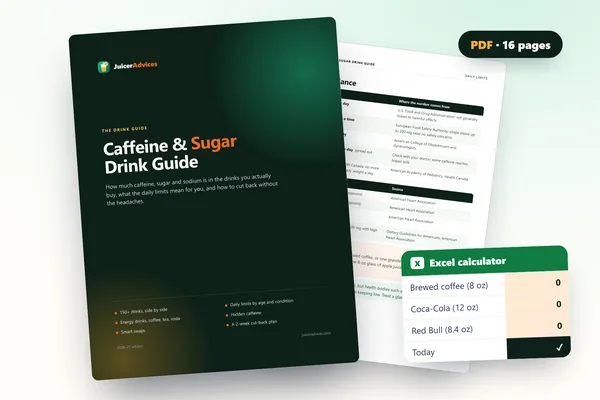 Caffeine & Sugar Drink GuideKnow exactly how much caffeine, sugar and sodium is in 150+ popular drinks, and set daily limits that fit you.Caffeine and sugar in 150+ drinksDaily limits, smart swaps and a cut-back planDaily caffeine and sugar calculator (Excel)