Does Tonic Water Contain High Fructose Corn Syrup? Safe Limits Explained
On this page 6 sections
Tonic water is a carbonated beverage flavored with quinine, which tastes bitter on its own. To balance this bitterness, manufacturers add sweeteners that vary by brand and type.
Understanding whether your tonic water contains high fructose corn syrup (HFCS) is important if you monitor sugar intake for health reasons like diabetes or metabolic concerns.
Tonic Water and High Fructose Corn Syrup Content
Tonic water often contains added sugar, but not always high fructose corn syrup. Many popular brands use plain sugar or glucose-fructose syrup instead of HFCS. Regular tonic water from major brands typically has about 32 g of sugar per 12 oz (one can), which mostly comes from added sugars rather than naturally occurring ones. If you want to avoid HFCS, checking the ingredients label is essential because formulations vary widely.
Most regular tonic waters rely on HFCS as the main sweetener because it is widely available and inexpensive. This refined sweetener raises blood sugar levels and adds calories, which might matter if you watch your sugar intake or have diabetes.
Some craft or premium tonic waters use cane sugar rather than HFCS. Although cane sugar is not HFCS, it still contributes similar amounts of sugar and calories in a serving. Checking the label is the only way to know which sweetener your tonic water contains.
Tonic water is generally caffeine-free. Its signature bitterness comes from quinine, a natural compound once used to prevent malaria but now mostly for flavor. So, if you are avoiding caffeine, tonic water is safe from that perspective.
Knowing if your tonic water contains HFCS or sugar helps you manage calorie intake and blood sugar control. If you are concerned about added sugars, opt for diet tonic water or read labels carefully to find versions sweetened with cane sugar or artificial sweeteners.
| Condition | Limit on Tonic Water with Added Sugar |
|---|---|
| Diabetes or insulin resistance | Avoid or limit to under 8 oz a day |
| Kidney disease or potassium restriction | Check label for potassium content |
| General healthy adults | Up to 12 oz daily is usually safe |
| Drink | Added sugar per serving | Servings | Total |
|---|---|---|---|
| 12 oz tonic water | 32 g | 1 | 32 g |
| Total | 32 g | ||
| Daily added sugar limit for women (25 g) | 128% | ||
Check the Label for Added Sugar and Sweeteners
Tonic water may or may not contain sugar, so checking the label is essential. The ingredients list shows sweeteners in order from most to least by weight, so the first sweetener listed is the primary one.
Always read the ingredients list to see if high fructose corn syrup, corn syrup, or other sweeteners like cane sugar or glucose-fructose syrup are included. Labels also show total sugars, which may come from various sources. Some tonic waters use alternative sweeteners or reduced sugar formulations. If you have a health condition that requires limiting added sugars, look for “diet” or “zero sugar” versions that replace sugar with artificial or natural non-caloric sweeteners.
Tonic water contains a small amount of sodium, typically around 30 to 40 mg per 12 oz serving. This is usually not a concern unless you are on a strict sodium-restricted diet.
Labels also confirm the absence of caffeine, since tonic water’s bitterness comes from quinine and not caffeine. This helps you avoid unintended caffeine intake if you are sensitive or limiting it.
Knowing both sugar and sodium content helps you manage dietary restrictions effectively. If your health condition requires watching sugar or salt intake, reading the nutrition facts and ingredients is the best way to choose a tonic water that fits your needs.
People Who Should Limit Tonic Water with HFCS or Sugar
People with diabetes, insulin resistance, or those watching their blood sugar should limit tonic water with added sugars, including HFCS. Excess sugar can raise blood glucose levels and interfere with management. Similarly, those with gout or kidney issues may benefit from avoiding sugary drinks to reduce strain on their system. If you have a health condition requiring sugar restriction, consult your care team before adding tonic water to your diet.
Anyone managing metabolic syndrome or aiming to reduce their added sugar intake should also limit or avoid sugary tonic water. Choosing diet or low-sugar alternatives helps keep daily sugar and calorie consumption in check.
Watching your calorie intake? Regular tonic water typically provides around 120 calories per 12-ounce glass, mostly from sugars, making it a less suitable choice if you are trying to lose weight or maintain calorie balance.
People with kidney disease usually don’t need to worry about potassium or sodium from tonic water, as it contains very low amounts of both. However, it’s always best to consult your healthcare team, since individual restrictions vary.
If you are pregnant or fasting, be aware that tonic water is caffeine free but sugary versions add calories and sugar that may affect your dietary goals. Checking the label for added sugars is important to stay within recommended limits.
Always follow your healthcare provider’s advice regarding your specific condition and drink choices. Your medical team can give tailored guidance based on your overall health and treatment plan.
 Caffeine & Sugar Drink GuideKnow exactly how much caffeine, sugar and sodium is in 150+ popular drinks, and set daily limits that fit you.Caffeine and sugar in 150+ drinksDaily limits, smart swaps and a cut-back planDaily caffeine and sugar calculator (Excel)
Safer Alternatives to Regular Tonic Water
Safer alternatives include tonic waters labeled “diet,” “zero sugar,” or “no added sugar.” These usually replace sugar with artificial sweeteners like sucralose or natural non-caloric sweeteners such as stevia. Another option is soda water flavored with a splash of citrus juice for a similar taste without added sugars. Choosing these options helps reduce sugar intake while still enjoying a bubbly, bitter drink.
Craft tonic waters often replace HFCS with cane sugar, but they still contain sugar and calories to consider. These are a middle ground but not sugar free.
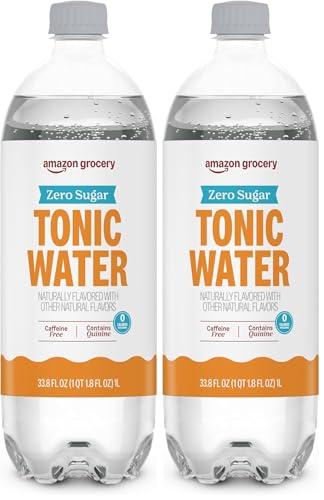
Amazon Fresh Diet Tonic Water is a caffeine-free option with zero sugar, suitable for those avoiding HFCS and watching calorie intake.
Some people prefer to avoid artificial sweeteners for personal or health reasons. In that case, mixing regular tonic water with plain soda water or using tonic concentrates can reduce the total amount of sugar consumed.
Always check product labels carefully to confirm the type of sweetener used and the calorie content, especially if managing sugar intake is important to you.
Safe Amounts of Tonic Water to Drink
Tonic water often contains sugar, typically from high fructose corn syrup or cane sugar, and a small amount of sodium. These factors shape how much is safe for you to drink.
Limit regular tonic water to about 8 oz (one small glass) once a day if you want to keep added sugar intake moderate. Each 12 oz can can have around 32 g of sugar, which adds up quickly. For people managing blood sugar or calories, sticking to sugar-free versions or smaller servings is safer. If you already drank more, drink water and balance it with meals lower in sugar to avoid spikes.
For people with diabetes or metabolic syndrome, it’s best to avoid regular tonic water or keep the intake under 2 oz (a quarter cup). Sugar from tonic water can raise blood sugar quickly, usually within 30 to 60 minutes after drinking, which may interfere with glucose control.
Diet tonic water has no sugar or high fructose corn syrup. You can safely drink up to about 12 oz (one can) daily without worrying about its effect on blood sugar or added calories.
Tonic water contains a low amount of sodium, roughly 30 to 50 mg per 12 oz can. While this is modest, it contributes to your total daily sodium intake, so include it if you follow a sodium-restricted diet for blood pressure or kidney health.
Most tonic water cans are sold in 12 oz sizes, so control your portions by pouring smaller amounts if you want to limit sugar or sodium intake.
If you already drank a larger serving of sugary tonic water, monitoring your blood sugar over the next hour can help you understand how your body reacts. Drinking water and balancing meals can also reduce blood sugar spikes.
Choosing diet tonic water or sugar-free mixers is a practical way to enjoy tonic water without these concerns. For more on safe options with diabetes, see Is Tonic Water Safe for Diabetics? Sugar Content Explained.