Ruby red grapefruit juice gets a lot of attention for heart health. The question is whether it actually lowers blood pressure. The short answer is yes, but with serious caveats about medication and sugar. Let’s break down the two honest paths: the cheap one and the properly done one.

The Cheap Path: A Glass of Juice at Breakfast
The most affordable way to test this is to buy a bottle of juice and drink it daily. A standard serving is 8 ounces. This costs a few dollars per bottle, and you can find it anywhere.
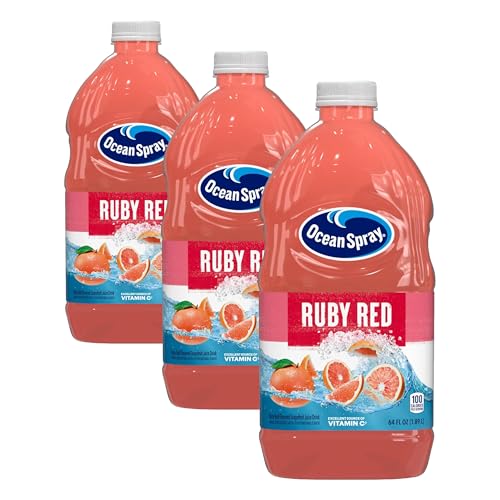
Ocean Spray
Ocean Spray Ruby Red Grapefruit Juice Drink,…
- The information below is per-pack only
- Included - One (1) 64 fl oz bottle of Ocean Spray Ruby Red Grapefruit Juice Drink
- From-the-Grove Goodness - Made from real grapefruit juice from concentrate for a sweet and tangy beverage
This path is genuinely sufficient if your blood pressure is mildly elevated, say in the 120-130 systolic range. The natural nitrates and potassium in grapefruit can produce a small, measurable drop. You might see a 2-4 mmHg reduction after a few weeks.
The cheap way costs you time. It takes about 4 to 6 weeks of consistent daily consumption to see any effect. You cannot drink it once and expect results. You also need to monitor your blood pressure at home, which means buying a cuff if you don’t have one.
There is a hidden cost beyond money. Grapefruit juice interferes with enzymes in your liver. That interaction can spike the levels of certain blood pressure medications to dangerous heights. If you take calcium channel blockers or statins, this cheap path is a false economy. It could land you in urgent care.
The Proper Path: Whole Fruit and a Medical Check
The properly done approach starts with a conversation. You need to ask your doctor whether grapefruit is safe with your current prescriptions. This is not optional. It is the single most important step.
The next step is choosing whole fruit over juice. A whole ruby red grapefruit contains fiber. Fiber slows sugar absorption and helps you feel full. Juice strips that fiber away. You get a concentrated sugar spike instead.
If you insist on juice, you must control the portion. Stick to 4 ounces, not 8. That halves the sugar load while keeping the beneficial compounds. You can dilute it with sparkling water to make it last longer.
The proper path also pairs grapefruit with other proven changes. A diet rich in vegetables, regular walking, and reduced sodium intake will do more than any single juice. Grapefruit is a complement, not a cure.
This approach costs more upfront. Whole grapefruits are more expensive per serving than juice. You also need a doctor’s visit. But it avoids the medication risk and gives you better long-term results.
What the Research Actually Says
Studies on grapefruit and blood pressure are small but consistent. A 2026 review by USA Today noted that the fruit’s high potassium content helps counterbalance sodium. That mechanism is well understood.
One specific compound, naringin, gives grapefruit its bitter taste. Naringin has antioxidant properties that may relax blood vessels. The effect on blood pressure is modest, typically a few points.
Do not expect a dramatic drop. If your systolic reading is 150, juice will not bring it to 120. You need medication for that. Think of grapefruit as a supporting player, not the star.
The type of grapefruit matters less than you think. Ruby red and white varieties have similar blood pressure effects. The ruby red has more antioxidants, but the difference is marginal.
Medication Interactions: The Dealbreaker
This is where most people get into trouble. Grapefruit juice blocks an enzyme called CYP3A4 in the intestines. That enzyme normally breaks down many drugs. When blocked, more of the drug enters your bloodstream.
For blood pressure medications like nifedipine or amlodipine, this can cause a dangerous drop in pressure. You might feel dizzy, faint, or experience an irregular heartbeat. The effect can last up to 24 hours after a single glass.
Statins like atorvastatin also interact. High levels of statins in the blood increase the risk of muscle damage. This is not a theoretical concern; it is a well-documented side effect.
If you take any medication, check the label for a grapefruit warning. When in doubt, ask your pharmacist. They can tell you instantly whether your specific drug is affected.
Some people think waiting a few hours between the juice and the pill solves the problem. It does not. The enzyme inhibition lingers for a full day. You cannot time your way around it.
A Realistic Product Option
If you decide the juice path is right for you, the product you choose matters. The Ocean Spray Ruby Red Grapefruit Juice Drink is a common option. It comes in a 64-ounce bottle, and you can buy a pack of three.
This drink is made from real grapefruit juice from concentrate. It has a sweet and tangy flavor that is easy to drink. It also provides 100% of your daily vitamin C per serving. There is no high fructose corn syrup in it.
Here is the honest catch. It is a juice drink, not pure juice. That means it contains added sugar or other sweeteners to balance the tartness. Check the nutrition label for total sugar per serving before you commit.
One serving is 8 ounces. At that size, you are getting roughly 25-30 grams of sugar. That is close to a soda. For blood pressure purposes, you want the potassium, but you do not want that sugar load.
Your best move is to drink half a serving, 4 ounces, and dilute it with water. That cuts the sugar in half while retaining most of the beneficial compounds. It will last longer too, which helps your budget.
You can check the current price on Amazon if you want to stock up. Just remember that buying in bulk only saves money if you actually drink it before it spoils. Grapefruit juice does not last forever once opened.
Comparing the Two Paths
| Factor | Cheap Path (Juice) | Proper Path (Whole Fruit + Check) |
|---|---|---|
| Monthly cost | Low, around $10-15 | Higher, around $25-40 including fruit and doctor visit |
| Time to see results | 4-6 weeks of daily drinking | 2-3 weeks with whole fruit and lifestyle changes |
| Medication risk | High if you take interacting drugs | Low, because you check first |
| Sugar intake | High per serving | Moderate, fiber slows absorption |
| Blood pressure drop | 2-4 mmHg | 4-8 mmHg with combined changes |
| Convenience | Very high, pour and drink | Requires peeling and eating |
The cheap path wins on convenience. It wins on price. It loses on safety and sugar control.
The proper path takes more effort. It gives you better results and zero medication anxiety.
Practical Tips for Either Path
Measure your blood pressure at the same time each day. Morning before breakfast is best. Take three readings and average them. Write them down.
Do not drink grapefruit juice within 4 hours of taking any medication. Even if your drug does not interact, this is a good habit. It minimizes any unknown effects.
Pair grapefruit with a potassium-rich diet. Bananas, spinach, and sweet potatoes all help. The effects are additive, not competitive.
Watch your sodium. Potassium only works if you are not flooding your body with salt. Cut processed foods for a week and you will see the difference.
Stay hydrated. Dehydration raises blood pressure. Grapefruit juice is mostly water, so it helps, but plain water is better.
When the Cheap Way Is a False Economy
You should not drink grapefruit juice if you take blood thinners, calcium channel blockers, or certain statins. The list includes common drugs like warfarin, nifedipine, and simvastatin. The interaction can be severe.
You should also skip it if you have diabetes or prediabetes. The sugar spike from juice is not worth the small blood pressure benefit. Whole fruit is a better choice in that case.
If you have kidney disease, be careful with potassium. Damaged kidneys cannot excrete excess potassium. High levels can cause heart rhythm problems.
In these situations, the cheap path is not just a waste of money. It is actively dangerous. The proper path, which includes medical advice, is the only safe route.
For everyone else, the cheap path is fine. A glass of juice in the morning is a reasonable addition to a healthy diet. Just do not expect miracles.
Frequently Asked Questions
How much grapefruit juice should I drink daily?
Limit yourself to 4 ounces per day. That is half a standard serving. It gives you the beneficial compounds without the sugar overload.
How long before grapefruit juice lowers blood pressure?
Expect 3 to 6 weeks of consistent daily use. The effect is gradual. You will not see a change in a day or two.
Can I drink grapefruit juice with my blood pressure medication?
Only if your doctor or pharmacist confirms it is safe. Many blood pressure drugs interact with grapefruit. Never assume it is fine.
Is ruby red grapefruit better than white grapefruit for blood pressure?
The difference is small. Ruby red has more antioxidants. Both types contain the same potassium and naringin. Choose whichever you prefer.
Does the bottled juice work as well as fresh grapefruit?
Bottled juice from concentrate works about the same. The main issue is added sugar. Read the label and pick a product with no high fructose corn syrup.
What if I hate the taste of grapefruit?
You have alternatives. Tomato juice is another option with similar potassium benefits. You could also try hibiscus tea, which has stronger evidence for blood pressure reduction.
Final Verdict
Ruby red grapefruit juice can lower blood pressure by a small amount. That is a fact. The drop is real but modest, usually 2-4 mmHg.
You must weigh that benefit against the medication interaction risk and the sugar content. For a healthy person with mildly elevated pressure, the juice is a fine addition. For someone on medication, it is a gamble.
The best approach is to ask your doctor first, then choose whole fruit or diluted juice. That is the properly done path. It costs a bit more time and money, but it protects you from harm.
If you go the cheap route, buy a quality product like the Ocean Spray Ruby Red mentioned above. Drink half a serving. Monitor your pressure weekly. Stop if you feel dizzy or unwell.
Grapefruit is not a magic bullet. It is one tool in a larger toolkit of diet, exercise, and stress management. Use it wisely, and it can help.


