You just finished a hard set of squats, and the guy next to you eyeballs your shaker bottle. He asks, half-joking, if you’re on the juice. You laugh it off, but the question lingers. Does that vanilla powder actually contain something illegal? It’s a fair question, especially with headlines about contaminated supplements popping up every few years.
This article is a consumer safety check, not a myth-busting listicle. We’ll look at the chemical difference between a steroid hormone and a milk protein, why the confusion persists in gym culture, and the real legal risks that exist for both brands and buyers. You’ll walk away knowing exactly what to look for on a label and how to verify a product’s claims.
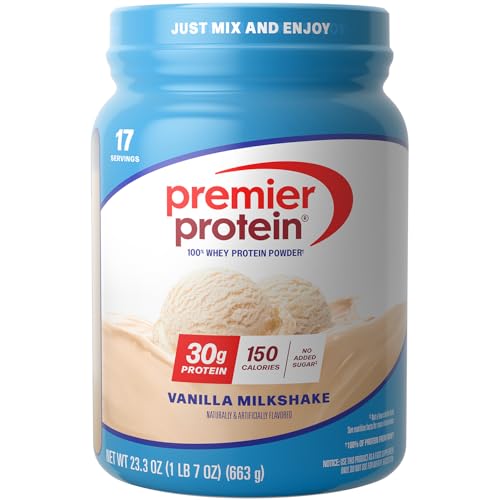
Premier Protein
Premier Protein 30g High Protein Powder, 100%…
- Sweet and smooth, this vanilla flavored protein powder helps pack in the nutrition you rely on every day while delivering indulgen…
- 30g Protein per serving, with all the essential amino acids and 100% of protein from Whey to feed your muscles and curb your hunge…
- Guilt free yum: 1g Sugar, 3g Carbs, 150 Calories and Low Fat; No Soy Ingredients, Gluten Free
If you’re looking for a clean baseline product to compare against while you read, Premier Protein 30g High Protein Powder is a solid example. It’s a straight whey protein with 30 grams per scoop, 1 gram of sugar, and no soy ingredients. It gives you a concrete reference point for what a standard, unspiked product looks like on paper.

The Core Question: Is Protein Powder a Steroid?
No. A protein shake is a food product. A steroid is a synthetic drug that mimics testosterone. They are different categories entirely.
Steroids, specifically anabolic steroids, are controlled substances. They require a prescription for legitimate medical use, and possession without one is a federal crime. Protein powder is a dietary supplement made from milk, eggs, or plants. You can buy it at a grocery store.
The confusion comes from the shared goal: muscle growth. Both help you build muscle, but they do it through completely different biological pathways. One feeds the building blocks; the other forces the body to build faster than it naturally would.
The Science: Amino Acids vs. Anabolic Hormones
Let’s get specific about the molecules. It’s not complicated, but it matters.
What is actually in your shaker?
Whey protein isolate is a mixture of proteins extracted from milk. Those proteins are long chains of amino acids, like leucine and glutamine. When you digest them, your body breaks the chains down and uses the pieces to repair muscle tissue. That’s it. There are no hormone molecules in that powder.
What is a steroid hormone?
Testosterone is a steroid hormone. Its chemical structure is a ring of carbon atoms with specific side groups. It works by entering a muscle cell, binding to a receptor, and traveling to the nucleus to alter gene expression. That process triggers a massive spike in protein synthesis, far beyond what diet alone can achieve.
The key difference: amino acids are raw materials. Steroid hormones are chemical messengers. You can’t get one from the other. Drinking whey won’t create testosterone in your body, and injecting testosterone won’t provide the amino acids your muscles need for repair.
Why the Confusion Exists (Marketing, Gym Culture, and Misinformation)
Walk into any gym and you’ll hear bro-science. Someone swears a certain pre-workout makes you rage. Another claims a specific protein brand is “basically steroids” because it gives you crazy pumps. None of that is true, but it persists.
The psychological reason is the shortcut mentality. People want a magic pill. If a supplement promises rapid muscle gains, it feels closer to a drug than a food. That mental association sticks, even when the ingredients list shows only milk proteins and flavoring.
Marketing doesn’t help. Brands use terms like “anabolic” or “muscle-building matrix” to sound powerful. These words are technically meaningless in a nutritional context, but they tap into that same desire for an edge.
The Real Danger: Cross-Contamination and Intentional Spiking
Here’s where things get uncomfortable. While the powder itself is clean, the manufacturing process can be compromised.
Most protein is produced in facilities that also handle other supplements. If a factory produces both whey protein and anabolic steroids (which happens in unregulated overseas operations), cross-contamination is possible. A 2026 study by the NSF found that a significant percentage of tested supplements contained undeclared substances. The risk is real, but it’s not universal.
Intentional spiking is rarer but more sinister. Some brands add prohormones or synthetic steroids to make their product feel stronger. They do this to build a reputation for fast results, even though it’s illegal and dangerous for consumers.
The Legal Landscape: FDA Oversight and Brand Liability
The FDA does not approve dietary supplements before they hit the market. That’s a critical fact. A brand can sell a protein powder without any pre-market review. The FDA only steps in after a problem is reported, like a spike in positive drug tests among athletes.
If a brand is caught selling a spiked product, the consequences vary. For a civil case, the FDA can issue a warning letter, force a recall, or impose fines. For a criminal case, the Department of Justice can prosecute the owners for distributing a controlled substance without a license. That carries prison time. Several small supplement company owners have gone to jail for exactly this offense.
For you, the consumer, the risk is failing a drug test. Many athletes have blamed contaminated supplements for positive tests, and in most cases, the sports governing body doesn’t care. The substance is in your system; you bear the consequence.
How to Verify Your Protein is Clean (The 3-Step Check)
You don’t need a lab to protect yourself. You need a system.
- Look for third-party testing logos. The most reliable are NSF Certified for Sport and Informed Choice. These programs audit the factory and test every batch for banned substances. If the logo is on the label, the product has been verified.
- Check the certifying body’s database. A logo can be printed on a fake label. Go to the NSF or Informed Choice website and search for the exact product name. If it’s not in the database, the certification is not valid.
- Read the full ingredient list. Look for unexpected compounds. If you see anything you can’t pronounce that isn’t a standard vitamin or amino acid, stop. Research it before you consume it.
- Proprietary blends that don’t list exact amounts. If the label says “Muscle Matrix” but doesn’t show how much of each ingredient is inside, you have no idea what you’re taking.
- Claims of “extreme” or “pharmaceutical-grade” results. Real food doesn’t promise extreme results. That language is a warning sign.
- No manufacturer address or contact info. A legitimate company wants you to reach them. A shady one doesn’t.
- Prices that are drastically lower than the market average. If a 5-pound tub costs $15, the manufacturer is cutting corners somewhere. That corner might be quality control.
- Protein powder is a food product; steroids are controlled substances. They are not the same thing.
- Check for a third-party certification logo and verify it on the certifier’s website.
- Be wary of any product with a proprietary blend that hides ingredient amounts.
- Report any suspected contamination to the FDA’s MedWatch portal.
- Stick with established brands that have a history of clean manufacturing.
- Remember that supplements are just tools. Training and diet do the real work.
This process takes five minutes. It’s worth it.
Red Flags on the Label: What to Avoid Immediately
Some labels are designed to deceive. Here’s what should make you put the tub back on the shelf.
The Bottom Line: Safe Consumption vs. Performance Enhancement
So, do protein shakes contain steroids? In the vast majority of cases, no. A standard whey powder is just concentrated milk protein. The danger isn’t the category; it’s the outlier brands that cut corners.
Stick with reputable brands that invest in third-party testing. Products like protein shakes from known manufacturers are safe for daily use. They help you hit your protein goals, recover faster, and build muscle naturally through diet and training.
If you’re mixing your own shakes at home, the blender matters too. A quality machine ensures you actually drink the thing. Check out this blender selection guide if you’re tired of clumpy powder.
Here’s the truth: protein powder is a convenience food. It’s not a drug. It won’t give you an illegal edge. The only way to get the results you want is consistent training, adequate sleep, and a diet that meets your caloric needs. A scoop of whey just makes hitting those protein targets easier.
If you ever suspect a product made you sick or failed a drug test, stop taking it immediately. Report it to the FDA through their MedWatch portal. Keep the tub and receipt as evidence. Your health is worth more than any supplement.
Frequently Asked Questions
Can protein powder cause a positive drug test?
Yes, but only if the product is contaminated. Standard whey protein does not contain any substances tested by athletic organizations. If you test positive, it’s almost always due to a tainted batch. That’s why NSF Certified for Sport or Informed Choice certification is so important for competitive athletes.
What’s the difference between whey protein and anabolic steroids?
Whey protein is a food. It’s a chain of amino acids that your body breaks down and uses to repair muscle. Anabolic steroids are synthetic hormones that alter gene expression in your cells. They are not chemically similar, and one cannot be converted into the other.
Are there any protein powders that contain steroids?
A very small number of unregulated brands have been caught adding prohormones to their products. These are typically cheap, poorly reviewed products sold online or in small gyms. Sticking to major brands with transparent labeling eliminates almost all of this risk.
Do I need to worry about steroids in plant-based protein?
No. Plant proteins like pea or soy are even less likely to be spiked because they are cheaper to produce. The economic incentive to add steroids is higher for premium-priced whey products. The same label-checking rules apply to both.
Is it safe to drink protein shakes every day?
For healthy adults, yes. The FDA considers whey protein safe for daily consumption. The only real concerns are lactose intolerance (choose an isolate) or excessive calorie intake if you’re not accounting for the shake in your daily total. It’s a food, not a drug, so daily use is fine.


