You might notice more frequent trips to the bathroom after drinking a protein shake and wonder if it’s the protein or something else causing it. Understanding why this happens helps you manage hydration and avoid surprises, especially if you have kidney concerns or an upcoming procedure.
This article explains how protein shakes interact with your body’s water balance, what ingredients in shakes influence urination, and practical tips to stay comfortable.
Protein Shakes Can Increase How Often You Pee
Yes, protein shakes do make you pee more, and so does protein in general. When your body breaks down protein, it produces nitrogen waste, which your kidneys flush out in urine. This process pulls extra water into your urine, increasing how much you pee.

The nitrogen waste mostly comes in the form of urea, a compound that draws water into your urine by osmosis. The more protein you consume, the more urea your kidneys have to clear, which means more urine volume. Your hydration level also plays a key role: if you’re well hydrated, your urine output rises, but if you drink little water, the effect is less noticeable.
Protein shakes deliver both a concentrated dose of protein and liquid at the same time, amplifying this effect. Drinking a shake means you’re taking in fluid that contributes directly to urine volume, plus protein that prompts your kidneys to flush more water out.
The typical increase in urine volume is modest but noticeable. You might find yourself needing to pee more often after a shake, though this varies depending on how much protein and fluid you consumed and your body’s hydration status.
How Your Body Processes Protein and Water
Frequent urination with protein intake happens because of how your body breaks down and eliminates protein waste. When you consume protein powder or shakes, your liver converts the ammonia produced by protein metabolism into urea, a safer compound to transport in the blood.
Your kidneys then filter this urea from the bloodstream and need water to excrete it in urine. The amount of water your kidneys use depends on how much urea is present, so high protein intake raises blood urea nitrogen levels and prompts your kidneys to flush more water out.
Antidiuretic hormone (ADH) controls how much water your kidneys retain or release. When blood urea nitrogen rises, ADH adjusts to balance water retention and urine concentration, but with high protein, the kidneys tend to produce more dilute urine to eliminate waste efficiently.
Protein’s thermic effect – the energy your body uses to digest and process protein – slightly increases your water needs as well. This added demand for water supports metabolism and waste removal, contributing to more frequent urination after protein shakes.
| Step | Role |
|---|---|
| Liver converts ammonia to urea | Detoxifies protein waste to a transportable form |
| Kidneys filter urea | Remove waste from blood into urine |
| ADH hormone | Regulates water balance and urine concentration |
| High protein intake | Raises urea levels, increasing urine volume |
| Thermic effect of protein | Slightly increases water needs and urine output |
Other Ingredients in Protein Shakes That Affect Urination
Protein powders themselves don’t usually cause you to pee more beyond the protein-related effect, but other ingredients often added to shakes can. Caffeine is a common culprit in many shakes and pre-workout blends. It blocks receptors for antidiuretic hormone (ADH), which normally signals your kidneys to hold on to water. That leads to increased urine production, making you go to the bathroom more often.

Artificial sweeteners in protein shakes, such as sucralose or sorbitol, can also increase urination indirectly. They pull water into your intestines, sometimes causing loose stools or diarrhea. This extra water loss can make you feel the need to drink and pee more.
Sodium content matters as well. Some protein powders and shake mixes include added sodium or salty flavorings. Sodium increases kidney workload by promoting water retention and then excretion to balance salt levels, which can increase urine volume.
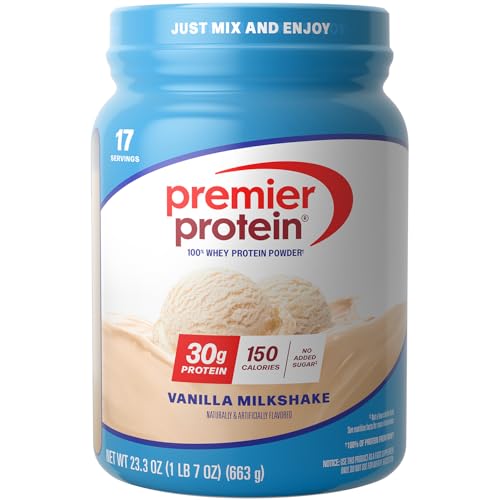
Choosing protein powders low in added sugars helps reduce osmotic diarrhea and urine changes caused by sugar alcohols or excess sugars. Premier protein shakes and similar brands usually keep sugar and sweeteners low, so they’re less likely to cause bathroom urgency beyond the protein effect itself.
| Ingredient | Effect on Urination |
|---|---|
| Caffeine | Blocks ADH, increases urine production |
| Artificial Sweeteners | Draw water into intestines, cause loose stools |
| Sodium | Increases kidney workload and water loss |
| Low Sugar Powders | Reduce osmotic diarrhea and urine changes |
If you notice your urine smells different after a protein shake, it’s usually from concentrated waste products, not something in the shake itself. Protein breakdown can make urine smell stronger or slightly different. That’s normal unless accompanied by pain or other symptoms.
Frequency Versus Volume: What Your Urine Tells You
Protein shakes tend to increase the volume of urine, not necessarily how often you go. Protein-induced diuresis means your kidneys excrete more water to flush out nitrogen waste, increasing total urine amount.
Frequent urination with small amounts often signals bladder irritation or other issues unrelated to protein intake. If you find yourself rushing to the bathroom often but passing only a little each time, protein isn’t usually the cause.
Tracking how much urine you produce daily and its color can help assess hydration. Clear to pale yellow urine usually means you’re well hydrated, while dark urine suggests you need more fluids. Protein shakes can increase volume but won’t dilute urine color if you drink less water.
Foamy urine is a different matter. It can sometimes indicate proteinuria, where excess protein leaks into urine due to kidney issues. That’s uncommon from dietary protein alone but worth checking if foaming persists.
High-protein meals can also cause increased urine volume for the same reasons—your kidneys flush out nitrogen from protein metabolism. This doesn’t mean your bladder is irritated, just that your body is handling protein waste efficiently.
If you’re wondering whether protein shakes cause frequent urination, the answer depends on volume versus frequency. More urine is normal, but a sudden urge to pee often with little output should prompt a check for other causes or bladder health.
For persistent or troubling symptoms, your doctor can evaluate kidney function and bladder health to rule out conditions that need treatment. Your own notes on urination patterns help guide that conversation.
How To Manage Protein Shake Timing and Hydration
Protein shakes make you pee more because your kidneys work to flush out the nitrogen waste produced when protein breaks down. This process can increase urine volume for a few hours after drinking a shake, usually tapering off within three to four hours.
Avoid drinking large protein shakes right before bedtime to reduce nighttime urination, known as nocturia. Consuming a big shake late in the evening means your body is processing excess protein and fluid when you want to sleep, causing more bathroom trips.
Balancing protein shakes with adequate water intake throughout the day helps your kidneys handle the nitrogen waste efficiently without overloading at once. Spread your hydration evenly rather than gulping large amounts in a short period.
If you notice sensitivity to common additives, choose low-sodium and low-caffeine protein powders. Sodium can increase thirst and urine output, while caffeine acts as a diuretic, both adding to bathroom urgency.
Consider splitting your daily protein shakes into smaller servings. This spreads out the urea load from protein metabolism, reducing spikes in urine production and helping you avoid sudden urges to pee.
When To Be Concerned and Call Your Doctor
Protein shakes themselves don’t cause blood in urine, but persistent changes like foamy or bubbly urine can suggest excess protein loss through the kidneys, a sign worth checking.
If your urine looks unusually bubbly or foamy after drinking protein shakes, it might indicate proteinuria. This warrants medical evaluation if it continues beyond occasional episodes.
Blood in the urine requires prompt medical attention to rule out serious issues. Protein shakes are unlikely to cause this symptom directly, but any bleeding should never be ignored.
Severe or worsening urinary symptoms such as pain, burning, or urgency need urgent care. These signs could indicate infection or kidney problems unrelated to protein shakes but require evaluation.
Keep taking all prescribed medications as instructed and follow your healthcare team’s advice even if you notice changes in urine. Do not stop or alter meds without professional guidance.


