Skip to content
JuicerAdvicesDrink safety, answered
Tea

Does Lipton Tea Have Heavy Metals? Safe Levels Explained

On this page 7 sections
  1. Does Lipton Tea Have Heavy Metals? What the Levels Mean
  2. Check the Label for Added Sugar and Caffeine in Lipton Teas
  3. Who Should Avoid or Limit Lipton Tea and Why
  4. Safer Tea Alternatives to Lipton for Sensitive Conditions
  5. How Much Lipton Tea Is Safe to Drink Daily? Guidelines by Situation
  6. What To Do Next: How to Choose and Drink Lipton Tea Safely
  7. Frequently Asked Questions
Straight answer
Lipton tea has very low levels of heavy metals and is generally safe to drink. Up to about 8 oz (one cup) daily is fine for most adults. This is because the trace metals found are far below harmful limits and do not accumulate significantly when brewed.

Many people wonder if Lipton tea contains heavy metals that could harm health. This article explains what the levels are, who should be cautious, and how much you can safely drink.

We also cover related concerns like caffeine, sugar, and acidity, and suggest safer tea alternatives if you need them.

Key takeaways
Lipton tea has very low heavy metal levels that do not pose a risk for most people.
Drinking about 8 oz (one cup) daily is safe, but those with kidney disease or pregnancy should check with their doctor.
Lipton black tea contains about 40-50 mg caffeine per 8 oz serving, so limit intake if caffeine-sensitive.
Avoid added sugar Lipton teas if you are watching blood sugar or calories.
Choose organic or certified teas if you want to minimize pesticide residues.

Does Lipton Tea Have Heavy Metals? What the Levels Mean

Lipton tea contains trace amounts of heavy metals, but these are well below FDA and EPA safety limits and do not pose a health risk when you drink about 8 oz (one cup) daily. These metals are naturally present in soil and tea plants, and only tiny amounts transfer to the brewed tea you drink.

Tea leaves can hold slightly higher levels of lead and cadmium, but brewing dilutes these to very low concentrations. The steeped drink remains far below harmful thresholds that might cause metal buildup in your body over time.

Heavy metals can accumulate if consumed in large amounts for years, but Lipton tea’s metal content is too low to cause this. Still, if you are pregnant or have kidney disease, it’s wise to discuss any heavy metal concerns with your health provider before drinking Lipton tea regularly.

Lipton iced teas are generally kosher, but check the packaging for certification if this matters to you. Allergic reactions to Lipton peach tea are uncommon, but if you have a known allergy to specific flavorings or ingredients, review the label carefully.

Heavy MetalTypical Levels in Brewed Lipton TeaFDA/EPA Safety Limit
LeadLess than 0.01 mg per liter0.015 mg per liter
CadmiumTrace amounts, far below 0.005 mg per liter0.005 mg per liter
Heavy metal levels in Lipton brewed tea compared to safety limits
Heavy Metal Safety
If you notice symptoms like persistent fatigue, abdominal pain, or unusual headaches, especially if drinking large amounts of tea daily, consult your doctor to rule out heavy metal toxicity.
When to Call Your Doctor
Signs of heavy metal poisoning require prompt medical attention.
Unexplained neurological symptoms
Severe abdominal pain or vomiting
Sudden weakness or numbness
In short
Lipton tea has trace heavy metals far below harmful levels. Drinking about one cup a day is safe for most adults, but talk to your doctor if you are pregnant or have kidney issues.

Check the Label for Added Sugar and Caffeine in Lipton Teas

lipton ice tea kosher: Check the Label for Added Sugar and Caffeine in Lipton Teas

Lipton unsweetened black tea has zero sugar and about 40 to 50 mg of caffeine per 8 oz serving, while sweetened Lipton iced teas often contain 15 to 20 g of sugar per serving. This sugar can raise your blood sugar and calorie intake, which matters if you have diabetes or watch your weight.

Diet or zero sugar versions of Lipton peach tea usually contain artificial sweeteners like sucralose or acesulfame potassium. Check the label closely if you avoid these additives for health or personal reasons.

The caffeine content in Lipton tea is moderate but can worsen acid reflux, disrupt sleep, or increase anxiety if you drink too much. Knowing how much caffeine you consume helps manage these effects.

Understanding sugar and caffeine in Lipton teas is especially important if you have conditions like diabetes, acid reflux, or are pregnant. For example, caffeine limits in pregnancy are generally about 200 mg daily, so one to two cups of Lipton tea fit comfortably within that.

Lipton Tea TypeSugar per 8 ozCaffeine per 8 oz
Unsweetened Black Tea0 g40-50 mg
Sweetened Iced Tea15-20 g40-50 mg
Diet/Zero Sugar Peach Tea0 g (with artificial sweetener)40-50 mg
Sugar and caffeine content in popular Lipton teas
Check Before You Drink
Look for “unsweetened” or “zero sugar” on the label to avoid added sugars
Read the ingredient list for artificial sweeteners if you avoid them
Note the caffeine amount if you have reflux, anxiety, or pregnancy concerns
Managing Caffeine Intake
If you want less caffeine, try Lipton herbal teas or drink smaller amounts of black tea earlier in the day to reduce sleep disruption.

Lipton peach diet tea does contain artificial sweeteners; check the nutrition facts for names like sucralose or acesulfame potassium. Many find tea Lipton without sugar a good choice to avoid excess calories and sugar spikes.

In short
Lipton unsweetened black tea is sugar-free with moderate caffeine; sweetened iced teas add significant sugar. Diet versions have no sugar but include artificial sweeteners, so always check the label.

Who Should Avoid or Limit Lipton Tea and Why

Lipton tea is generally safe but some people need to limit or avoid it due to caffeine, acidity, or rare allergies. If you have acid reflux or gastritis, the caffeine and acidity in Lipton black tea can worsen symptoms, so keep intake low or switch to gentler options.

lipton ice tea kosher: Who Should Avoid or Limit Lipton Tea and Why

An allergy to Lipton peach tea or any tea component is rare but possible. Stop drinking it immediately if you notice rash, swelling, or difficulty breathing. These signs require urgent medical attention.

People with piles (hemorrhoids) should monitor how tea affects symptoms. Caffeine may increase discomfort or cause dehydration, so drinking Lipton tea cautiously is wise.

Kidney disease calls for limiting tea because caffeine and trace metals can affect kidney function and fluid balance. Consult your healthcare provider for personalized advice.

Pregnant and breastfeeding women should keep caffeine from all sources, including Lipton tea, under 200 mg daily. That’s about four 8 oz cups of unsweetened black tea, considering other caffeine sources you consume.
Check Before You Drink
Notice any rash, swelling, or allergy symptoms after Lipton peach tea? Stop and seek help.
Have acid reflux or gastritis? Limit black tea to reduce irritation.
Living with piles? Watch for symptom changes with caffeine intake.
Kidney disease? Ask your doctor about caffeine and trace metal limits.
Pregnant or breastfeeding? Keep Lipton tea caffeine under 200 mg daily.
Allergy Alert
Rare tea allergies can cause serious reactions. Stop drinking if you experience rash, swelling, or breathing difficulty, and get medical help immediately.
When to Call Your Doctor
Severe or worsening acid reflux symptoms after drinking tea
Signs of allergic reaction such as rash, swelling, or throat tightness
New or severe pain with piles after tea consumption
Worsening kidney symptoms or swelling after drinking tea
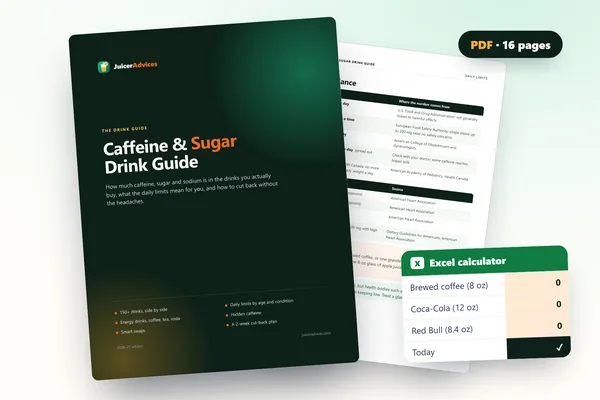
From JuicerAdvices · our own guidePage 6 shows how much caffeine is in each kind of tea, from green to chai.Caffeine & Sugar Drink Guide: the printable guide and its Excel calculatorCaffeine & Sugar Drink GuideKnow exactly how much caffeine, sugar and sodium is in 150+ popular drinks, and set daily limits that fit you.Caffeine and sugar in 150+ drinksDaily limits, smart swaps and a cut-back planDaily caffeine and sugar calculator (Excel)$14.99 $9.99Get it for $9.99See what's inside and watch the 2-minute video →16-page printable PDF + Excel calculator · instant download · 30-day refund

Safer Tea Alternatives to Lipton for Sensitive Conditions

If Lipton tea’s caffeine or acidity bothers you, herbal teas like rooibos or chamomile offer caffeine-free, low-acid options that suit reflux, pregnancy, and breastfeeding.

lipton ice tea kosher: Safer Tea Alternatives to Lipton for Sensitive Conditions

Green teas usually have less caffeine than black tea but may carry slightly higher pesticide residues unless you choose organic brands. Organic Lipton black tea bags reduce exposure to pesticides and metals.

Lipton Tea Bags For a Iced or Hot Tea Organic Black Tea Iced or Hot T…
If you want organic with lower pesticide
Lipton Tea Bags For a Iced or Hot Tea Organic Black Tea Iced or Hot T…
Lipton Organic Unsweetened Black Tea reduces pesticide residues compared to non-organic options but still contains caffeine and some acidity.
Check price on Amazon

Avoid Lipton iced teas with added sugars if you manage blood sugar or weight. Unsweetened versions keep sugar intake low and safer.

Cold-brewing tea can lower caffeine and acidity levels because the extraction process is gentler. This method may be easier on sensitive stomachs.

Lipton peach tea is generally safe and enjoyable but contains caffeine and sometimes added sugar, so limit quantity like other black teas. It does not contain alcohol.

Choose Your Tea Wisely
Opt for herbal teas like rooibos or chamomile to avoid caffeine and acidity
Pick organic Lipton black tea bags to reduce pesticide and metal risk
Skip sweetened Lipton iced teas if watching sugar intake
Try cold-brewed tea to lower caffeine and acidity for sensitive digestion
Remember Lipton peach tea has caffeine and no alcohol
For Sensitive Stomachs
Steeping tea for less time or cold-brewing can reduce caffeine and acidity, making tea gentler on reflux or gastritis symptoms.

How Much Lipton Tea Is Safe to Drink Daily? Guidelines by Situation

Lipton peach tea and Lipton zero sugar peach tea have similar caffeine levels to the black teas, so their limits are alike.

For mild reflux, up to 8 oz (one small cup) with food is generally safe; avoid drinking Lipton tea on an empty stomach to prevent irritation.

Health SituationRecommended Limit
Mild refluxUp to 8 oz with food, avoid on an empty stomach
Kidney disease stage 3 or worseLimit to 1 cup (8 oz) daily or less, consult your doctor
PregnancyUp to 2 cups (16 oz) daily to keep caffeine under 200 mg total
Healthy adults3 to 4 cups (24 to 32 oz) daily is generally safe
ChildrenAvoid caffeine teas or limit to very small amounts
Daily Lipton Tea Intake Recommendations by Health Status
Confirm Your Intake Limit
Check the tea type for caffeine content
Adjust quantity based on your health condition
Drink with food if you have reflux
Consult your doctor if you have kidney issues or pregnancy
When to Call Your Doctor
Seek advice if you experience unusual symptoms or need personalized caffeine guidance.
Persistent stomach pain or worsening reflux
Signs of kidney function decline
Concerns about caffeine intake during pregnancy

What To Do Next: How to Choose and Drink Lipton Tea Safely

Lipton zero sugar peach tea contains artificial sweeteners but no added sugar, so check the label if you prefer to avoid sweeteners.

Lipton tea does not have specific benefits for piles (hemorrhoids); staying hydrated with water and a balanced diet is more important.

Safe Lipton Tea Habits
Read the nutrition label for caffeine and sugar before buying
Choose organic Lipton black tea bags to reduce contaminant risk
Limit daily intake based on your health condition and symptoms
Stop drinking if allergic reactions or worsening reflux occur
Consult your healthcare provider if you have kidney disease or pregnancy
Choose Organic
Organic Lipton tea bags may lower your exposure to pesticides and contaminants found in conventional teas.
When to Call Your Doctor
Contact your healthcare provider if you notice allergic symptoms or if reflux worsens after drinking Lipton tea.
Skin rash or swelling after drinking tea
Increasing heartburn or chest discomfort
Questions about managing tea intake with existing health issues

Frequently Asked Questions

Does Lipton tea contain lead or other heavy metals?
Lipton tea contains only trace amounts of heavy metals like lead, far below the safety limits set by health agencies. These minimal levels do not build up significantly in your body when you drink about one cup daily, making it safe for regular consumption.
Is Lipton peach tea safe for people with allergies?
Lipton peach tea is generally safe for most people, but it may contain natural fruit flavors or additives that could trigger allergies in sensitive individuals. Always check the ingredient list carefully if you have known allergies to peaches or related fruits before drinking it.
Can pregnant women drink Lipton black tea?
Pregnant women can usually have up to about 200 mg of caffeine daily, which equals roughly four cups of Lipton black tea. Drinking about one cup a day is safe, but avoid higher amounts to keep caffeine intake within recommended limits during pregnancy.
Does Lipton zero sugar peach tea have artificial sweeteners?
Yes, Lipton zero sugar peach tea uses artificial sweeteners instead of sugar to provide sweetness without calories. If you prefer to avoid artificial sweeteners, choose Lipton’s unsweetened or regular sweetened teas instead.
Is Lipton tea okay for people with acid reflux or piles?
Lipton tea’s caffeine and acidity can sometimes irritate acid reflux or hemorrhoids (piles), so it’s best to limit intake or switch to low-acid, caffeine-free herbal teas like rooibos or chamomile. Drinking about 8 oz or less daily may be tolerated, but listen to your body and adjust accordingly.

Editor

Emily Jones edits JuicerAdvices: plain answers about juices, teas, coffee and everyday drinks, how much is safe, and how they fit with common health conditions, medicines and medical procedures. Every guide is checked against public health and nutrition sources and tells you when to ask your doctor or pharmacist.

More in Tea