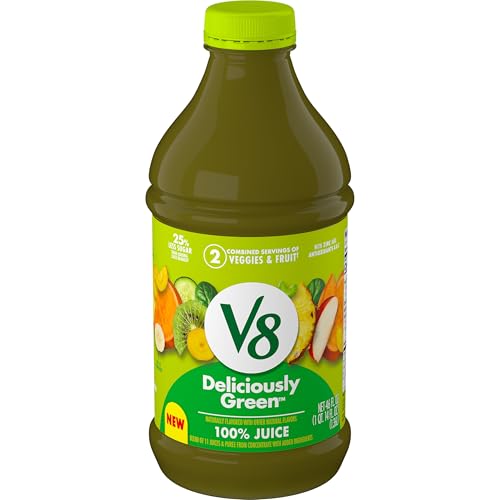
You’ve probably heard the buzz about green juice. Maybe you’ve even tried a glass yourself, hoping for a burst of energy and nutrients. Then, not long after, you might have experienced a sudden, urgent trip to the bathroom. It’s a common, if not always discussed, side effect. So, does green juice make you poop? In short, yes, it very often can. But it’s not magicit’s science.
The effect is rooted in how the specific ingredients in your juice interact with your digestive system. From the high water content to the particular vitamins and plant compounds, several factors work together to stimulate gut motility. Understanding why this happens can help you use green juice to your advantage, whether you’re seeking relief from constipation or simply trying to understand your body’s reactions. For some, adding a probiotic like Natures Bounty Lactobacillus can help support a balanced gut environment alongside dietary changes.

How Green Juice Affects Digestion
Your digestive tract is a complex system designed to break down food, absorb nutrients, and eliminate waste. When you drink green juice, you’re introducing a concentrated, liquid-form dose of plants directly into your stomach and small intestine. Because the fiber is often reduced (more on that later), the nutrients and water are absorbed rapidly. This can trigger a cascade of digestive activity.
The primary reason behind the green juice laxative effect is a combination of hydration, specific nutrients, and natural plant compounds. Your colon’s job is to reabsorb water from your waste. A sudden influx of fluid from juicing can soften stool and increase its volume, signaling to your colon that it’s time for elimination. ingredients like celery and spinach contain compounds that can stimulate muscle contractions in your intestinal walls.
Key Ingredients That Influence Bowel Movements
Not all green juices are created equal. The specific veggies and fruits you choose will determine the intensity of the digestive response. Here are the usual suspects:
- Celery: Rich in mannitol, a sugar alcohol with a natural osmotic effect. This means it draws water into your intestines, which can soften stool and trigger a bowel movement. The experience of celery juice poop urgency is often linked to this.
- Spinach & Leafy Greens: Excellent sources of magnesium, a mineral that relaxes muscles and draws water into the bowels. Spinach juice bowel effects are frequently due to this magnesium content.
- Cucumber & Lettuce: These are mostly water. They contribute significantly to hydration levels, which is fundamental for smooth digestion and preventing hard, difficult-to-pass stool.
- Green Apple & Pear: Often added for sweetness, they contain sorbitol, another natural sugar alcohol with mild laxative properties.
- Lemon & Ginger: Lemon can stimulate bile production, while ginger is known to warm the digestive tract and promote motility.
Fiber: Whole vs. Juiced
This is the core of the juicing and bowel movements debate. When you juice, you extract the liquid and most nutrients, leaving behind the insoluble fiber pulp. This dramatically changes how your body processes it.
Whole vegetables provide bulk that helps form solid stool and feeds your gut microbiome. Juiced vegetables provide a quicker hit of vitamins and soluble fiber. Soluble fiber dissolves in water, forming a gel that slows digestion and can help regulate blood sugar. It also acts as a prebiotics, feeding the good bacteria in your gut. However, without the insoluble fiber for bulk, the overall effect can be a faster transit time.
Think of it this way: eating a big spinach salad provides a slow, steady fiber burn. Drinking a spinach juice is like sending a fast-acting, liquid nutrient messenger through your system. This is a key reason why people wonder, “does juicing make you poop more?”it often does, especially initially.
Finding the Right Balance for Your Gut
Your individual tolerance is huge. Factors like your existing diet, gut health, and even stress levels play a role. Someone with a typically low-fiber diet may experience a more dramatic change than someone who already eats plenty of greens. This individual variance is a missing entity many discussions overlook.
Hydration and Gut Motility
You cannot overstate the role of water. Proper hydration levels are the bedrock of healthy digestion. Dehydration is a leading cause of constipation, as your colon pulls too much water from waste, making it hard and dry.
Green juice is primarily water. Drinking it, especially on an empty stomach, floods your system with fluid. This hydrates the digestive tract, softens stool, and promotes gut motilitythe rhythmic contractions that move food along. For many, this simple act of increased hydration is enough to stimulate a bowel movement. This explains the common query: “why does green juice make me poop immediately?” The rapid hydration and certain electrolytes can trigger a quick response.
Electrolytes: The Missing Piece
Beyond plain water, green juices are rich in electrolytes like potassium and sodium, particularly from celery and leafy greens. These minerals are crucial for nerve function and muscle contractions, including those in your intestinal walls. An imbalance can lead to sluggish digestion. By providing a natural electrolyte boost, green juice helps ensure those muscular contractions, or peristalsis, happen efficiently.
| Ingredient | Key Nutrient for Digestion | Primary Effect |
|---|---|---|
| Celery | Mannitol, Sodium | Osmotic effect, electrolyte balance |
| Spinach | Magnesium, Fiber | Muscle relaxation, stool softening |
| Cucumber | Water, Silica | Hydration, gut lining support |
| Green Apple | Sorbitol, Pectin | Mild laxative, soluble fiber source |
Finding Your Balance: Tips for Healthy Digestion
If you want the benefits of green juice without digestive distress, or if you’re using it to alleviate constipation, a strategic approach works best. It’s all about listening to your body and adjusting accordingly.
Start Slow and Observe
Begin with a small glass (4-6 oz) and see how you feel. Have it with a small meal or snack to buffer the effects, especially if you’re concerned about side effects of drinking green juice on an empty stomach. Your body needs time to adapt to the concentrated nutrients.
Time It Right
Most people tolerate green juice best in the morning. It can kickstart hydration and digestion for the day. Drinking it late in the evening might lead to overnight bathroom trips, disrupting sleep. Timing is another often-overlooked personal factor.
Adjust Your Recipe
If you’re experiencing green juice diarrhea, your recipe might be too potent. Reduce or remove strong ingredients like celery or apple initially. Increase milder, hydrating ones like cucumber and romaine lettuce. For constipation, you might do the opposite, intentionally including more celery and spinach. Searching for the best green juice recipe for regular bowel movements? Start with a 3:1 ratio of veggies to fruit.
- Base: 2 cups cucumber.
- Greens: 1 cup spinach.
- Herb: Small handful of parsley.
- Fruit: green apple (optional).
This provides hydration, magnesium, and a touch of sorbitol without being overwhelming.
Consider Fiber and Probiotics
Remember, juice isn’t a complete replacement for whole foods. Ensure you’re still eating plenty of high-fiber foods throughout the day. To further support your gut microbiome, consider a quality probiotic supplement. A balanced gut is less reactive to dietary changes and promotes overall digestive health.
Hydrate Beyond Juice
While green juice contributes to fluid intake, don’t rely on it solely. Continue drinking plain water throughout the day. Proper hydration supports every stage of nutrient absorption and waste elimination.
It’s also worth noting that other juices have different effects. For instance, the impact of orange juice on digestion is often tied to its vitamin C and acidity, while tart cherry juice and bowel movements are frequently linked to its sorbitol and anti-inflammatory compounds.
The Takeaway on Juice and Your Gut
Green juice can absolutely make you poop. The effect is a normal physiological response to a concentrated dose of hydration, electrolytes like magnesium and potassium, and certain plant compounds. It’s not a bad thingit’s a sign that active ingredients are working. For some, this makes a juice cleanse digestion period feel particularly “cleansing,” though the benefits and drawbacks of intensive cleanses are debated, as explored in this external resource on the pros and cons of juicing.
The key is to use this knowledge practically. Start with small amounts, tailor your recipes to your sensitivity, and pay attention to timing. If you’re using it to combat constipation, you might experiment with how much green juice to help constipationoften 8-12 ounces in the morning is sufficient. If you’re experiencing discomfort, dilute your juice or have it with food.
Your digestive system is unique. What works for one person may not work for another. By understanding the science behind the sip, you can harness the benefits of green juicethe vitamins, the hydration, the enzyme boostwhile maintaining comfortable and predictable digestion. Listen to your body. It’s usually telling you exactly what it needs.