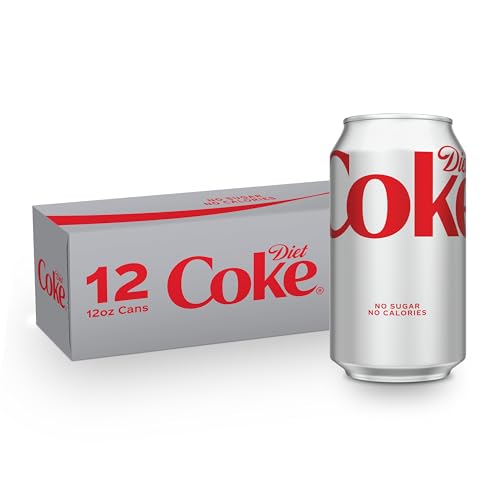
Diet Coke’s label typically lists zero grams of total and added sugar, reflecting its use of artificial sweeteners instead of sugar. This means it delivers sweetness without the calories or blood sugar effects of sugar-containing sodas.
Recipes and ingredients can vary by country, package size, and special editions, so always check your can’s nutrition facts for the exact details before drinking, especially if you have health concerns. The caffeine content also matters for some people, so look for that on the label too.
Does Diet Coke Have Sugar? Zero Grams Per 8.4 oz Can
Diet Coke does not have sugar. Its sweetness comes entirely from artificial, non-caloric sweeteners, providing a sugar-free soda option.

An 8.4 oz (about 250 ml) can of Diet Coke contains zero grams of sugar. The label reflects this by showing “0 grams sugar” when the sugar content is less than 0.5 grams per serving, which is effectively negligible.
Diet Coke’s sweet taste is achieved using a blend of artificial sweeteners, primarily aspartame and acesulfame potassium (Ace-K). These ingredients do not add calories or raise blood sugar levels, unlike table sugar (sucrose) or high-fructose corn syrup, which Diet Coke does not include.
| Sweetener | Presence |
|---|---|
| Aspartame | Yes |
| Acesulfame potassium (Ace-K) | Yes |
| Sugar (sucrose, high-fructose corn syrup) | No |
Check Serving Size and Ingredient List on Your Can
Serving size matters because a bottle or larger container may include multiple servings, each with zero sugar, but the total volume adds up. Always check the serving size on the label to understand how much you’re drinking.
Labels for Diet Coke vary by country and product version, so the ingredient list is the best way to confirm what sweeteners are present. Most U.S. formulas use aspartame and Ace-K, but other markets might differ slightly.
Caffeine content also varies by serving size and product type. Check the can or bottle label for caffeine amounts, especially if you are sensitive to caffeine or limiting it for health reasons.
If you have phenylketonuria (PKU), you should avoid Diet Coke because it contains aspartame, which breaks down into phenylalanine, a substance harmful for people with this condition. This warning is required on the label.
Who Should Limit Artificial Sweeteners and Caffeine in Diet Coke
Diet Coke contains no sugar but does include artificial sweeteners and caffeine, which some people should limit. Its primary sweetener is aspartame, a low-calorie compound providing sweetness without raising blood sugar.

Pregnant people should keep aspartame intake under 200 mg per day to stay within recommended safety levels. Labels often list aspartame content, so check serving sizes carefully.
People with phenylketonuria (PKU) must avoid aspartame completely. Their bodies cannot process phenylalanine, a component of aspartame, making even small amounts harmful.
If you have diabetes, Diet Coke is safe to drink since it doesn’t contain sugar or carbohydrates that affect blood sugar. However, caffeine can affect blood pressure and hydration, so monitor your response.
People with kidney disease may need to monitor both caffeine and sodium intake. Diet Coke has a small amount of sodium that could add up if you drink it often. Check related guides for advice tailored to your health.
Caffeine sensitivity varies widely. Diet Coke contains about 46 mg of caffeine per 12 oz can, which can cause jitteriness or insomnia in sensitive individuals. Read the nutrition label and limit yourself accordingly.
| Drink | Caffeine per serving | Servings | Total |
|---|---|---|---|
| 12 oz Diet Coke | 46 mg | 1 | 46 mg |
| 8 oz brewed coffee | 95 mg | 2 | 190 mg |
| Total | 236 mg | ||
| Daily caffeine limit for most healthy adults (400 mg) | 59% | ||
How Diet Coke Compares with Other Zero-Sugar Cola Drinks
Diet Coke has zero sugar and zero calories, sweetened primarily with aspartame. Its caffeine content is about 46 mg per 12 oz can, similar to many other sugar-free colas.
Pepsi Zero Sugar Wild Cherry is a popular sugar-free alternative with a cherry flavor twist. It also contains zero sugar and zero calories but uses a slightly different blend of sweeteners, including acesulfame potassium alongside aspartame.
Both drinks provide sweetness without sugar-related blood sugar spikes, but taste preferences differ. Some people find Pepsi Zero Sugar Wild Cherry sweeter or fruitier, while Diet Coke has a distinct cola flavor.
| Drink | Sweeteners | Caffeine per 12 oz | Sugar Content |
|---|---|---|---|
| Diet Coke | Aspartame | 46 mg | 0 g |
| Pepsi Zero Sugar Wild Cherry | Aspartame, Acesulfame Potassium | 69 mg | 0 g |
Caffeine amounts vary enough that your tolerance matters. If you’re sensitive, Diet Coke’s lower caffeine might suit you better. Otherwise, either can fit your zero-sugar preference.
Choosing between them depends largely on flavor and caffeine sensitivity since both keep sugar out of your diet.
What To Do Next: Reading Labels and Making Choices
Diet Coke does not have sugar or added sugar. Its sweetness comes from artificial sweeteners, primarily aspartame, which provide flavor without calories or sugar-related blood sugar spikes.
Always check the nutrition facts and ingredient list on your Diet Coke can or bottle. Look for the serving size, sugar grams (should be zero), caffeine content, and the names of sweeteners used. This helps you monitor your intake accurately, especially if you consume multiple servings.
If you have health conditions like phenylketonuria (PKU), diabetes, or caffeine sensitivity, talk with your healthcare provider about safe limits for artificial sweeteners and caffeine. Your individual needs may require stricter limits than general guidelines.
Use Diet Coke as a sugar-free alternative to regular soda if you enjoy its taste, but don’t rely on it for hydration or nutrition. Water and other low-acid, caffeine-free beverages remain the best daily choices for most people.
Consider rotating your drinks with plain water or herbal teas to avoid excess caffeine and acid exposure, which can irritate sensitive stomachs or worsen reflux symptoms.