You feel that familiar twinge. The burning, the constant urge to go, the dread that settles in when you realize it might be another urinary tract infection. You’ve heard the old saying about cranberry juice, and you’re standing in the grocery aisle wondering if a bottle is worth the money or if you should just call the doctor.
Here’s the honest truth: cranberry juice is not a cure for an active infection. It cannot kill bacteria that have already colonized your bladder. But that doesn’t mean it’s useless. The real value of cranberry lies in prevention, and the science behind it is more specific than most people realize.
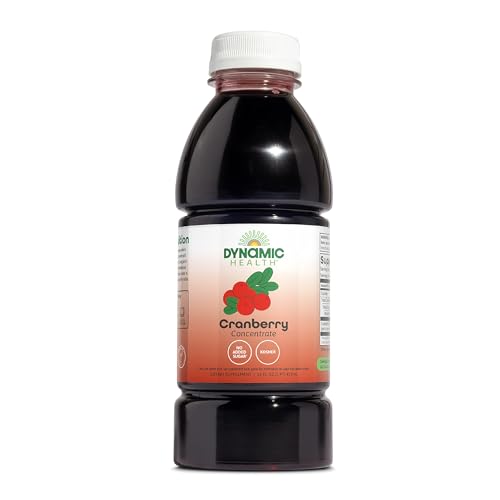
Dynamic Health
DYNAMIC HEALTH 100% Cranberry Juice Concentrate, 16…
- POTENT ANTIOXIDANT. Cranberries contain nutrients like vitamins C and E, plus the added power of the antioxidant quercetin. Antiox…
- COUNT ON CRANBERRY. You’ve probably heard that cranberries are great for urinary tract health. That’s because of proanthocyanidins…
- NO ADDED SUGAR. Our Cranberry Juice Concentrate is made without sweeteners or added sugar. It’s also Vegetarian, Gluten-Free, BPA-…
This guide walks you through what cranberry can and cannot do, the exact compounds that matter, how much you actually need, and when you should stop sipping and start taking antibiotics.
If you want a convenient way to get concentrated cranberry without the sugar overload of commercial juices, a product like Dynamic Health 100% Cranberry Juice Concentrate offers about 4,000 cranberries per bottle with no added sugar. It’s a practical option for daily prevention, though you’ll still need to dilute it with water before drinking.

The Short Answer: Prevention vs. Treatment
Let’s settle this immediately. Cranberry juice does not treat a UTI. If you already have symptoms like burning when you pee, cloudy urine, or pelvic pressure, no amount of cranberry will fix it. You need antibiotics prescribed by a doctor.
What cranberry can do is reduce your chances of getting a UTI in the first place. The evidence for this is strongest in women with recurrent infections. For them, daily cranberry consumption has shown a measurable reduction in episodes.
Think of it like sunscreen. Sunscreen prevents sunburn, but it won’t soothe a burn you already have. Same logic applies here.
How Cranberries Actually Work Against Bacteria
The active compounds in cranberries are called proanthocyanidins, or PACs for short. These are plant polyphenols with a specific molecular structure that interferes with bacterial adhesion.
The Role of Proanthocyanidins (PACs)
Most urinary tract infections start when E. coli bacteria attach to the lining of your bladder and urethra. Once attached, they multiply and form a biofilm that resists your immune system and antibiotics.
PACs work by making the surface of the bladder slippery to bacteria. They bind to the fimbriae, the little hair-like projections on E. coli, and prevent the bacteria from latching on. Without adhesion, the bacteria get flushed out when you urinate.
This is a mechanical effect, not a chemical killing effect. The bacteria aren’t dying; they’re just failing to set up camp.
Why E. coli Is the Main Target
Roughly 80-90% of uncomplicated UTIs are caused by E. coli. The PACs in cranberries are particularly effective against this specific strain. Other bacteria like Klebsiella or Proteus are less affected, which is one reason cranberry doesn’t work for everyone.
So if your recurrent infections are caused by something other than E. coli, cranberry might not help you at all. Your doctor can confirm this with a urine culture.
What the Latest Research Really Says
The scientific literature on cranberry and UTIs is messy. Some studies show clear benefits, others show nothing. The difference usually comes down to dosage and the type of product used.
The 50-Study Analysis Explained
A 2026 Cochrane review analyzed 50 studies with over 8,000 participants. The conclusion: cranberry products reduced the risk of recurrent UTIs in women by about 26%. In certain subgroups, like women with recurrent infections, the benefit was more pronounced.
However, the review also noted that many studies used low doses of PACs, which likely explains the inconsistent results. When researchers used higher, more standardized doses, the protective effect was clearer.
Why Results Vary So Much Between Studies
Several factors muddy the research waters. Some studies used cranberry juice cocktail, which contains very little actual cranberry. Others used tablets with wildly different PAC concentrations. Some studies didn’t control for water intake, which is itself a factor in UTI prevention.
There’s also the compliance problem. Drinking a glass of cranberry juice every day for a year is hard to maintain. Many participants in long-term trials simply stopped drinking it, which skews the results.
One more thing worth noting: the placebo effect is strong in UTI prevention studies. People who believe they’re protected often report fewer symptoms, even when they’re taking a placebo.
Cranberry Juice vs. Pills: Which Is Better?
If you’re trying to decide between a glass of juice and a supplement capsule, the answer isn’t straightforward. Both have trade-offs.
How Much PACs You Actually Need
Clinical trials that showed benefit typically used 36-72 mg of PACs per day. That’s the amount you need to meaningfully reduce bacterial adhesion.
Here’s the problem: an 8-ounce glass of cranberry juice cocktail contains only about 7-10 mg of PACs. You’d need to drink nearly a half-gallon to reach therapeutic levels. That’s a lot of calories and a lot of trips to the bathroom.
Concentrated juices and supplements are more efficient. A quality cranberry supplement might deliver 36 mg or more in a single capsule. The difference between cranberry juice and cranberry juice cocktail matters enormously for both PAC content and sugar load.
The Sugar Problem in Commercial Juices
Most commercial cranberry juice cocktails are around 25-30% cranberry juice, with the rest being water and added sugar. A typical glass contains 25-30 grams of sugar, roughly the same as a can of soda.
Excess sugar feeds bacteria throughout your body and contributes to inflammation. Drinking large amounts of sugary juice to prevent a UTI is counterproductive. Pure, unsweetened cranberry juice is tart and often needs dilution, but it avoids this problem entirely.
If you choose juice, look for 100% pure cranberry juice with no added sugar. If you choose supplements, look for one standardized to contain a specific PAC amount, not just a generic extract.
Who Should Avoid Cranberry Products
Cranberry is not harmless for everyone. There are real interactions and risks you need to know about.
People taking warfarin: Cranberry can increase the blood-thinning effect of warfarin, raising the risk of bleeding. This interaction is well-documented, and even the National Institutes of Health warns against combining them.
People with a history of kidney stones: Cranberries are high in oxalates, which can contribute to calcium oxalate kidney stones. If you’ve had this type of stone before, regular cranberry consumption may increase your risk of recurrence.
People with sensitive stomachs: The acidity in cranberry can aggravate gastritis or acid reflux. You might find it causes more discomfort than it prevents.
People taking certain medications: Cranberry may affect how your liver processes some drugs, including certain antibiotics and antacids. If you’re on regular medication, run it past your pharmacist first.
If you’re pregnant, cranberry is generally considered safe in food amounts, but check with your OB before using high-dose supplements.
Other Remedies That Work Better for Active UTIs
If you’re already symptomatic, skip the cranberry and focus on what actually helps.
Water: Drinking plenty of water helps flush bacteria from your urinary tract. Aim for 2-3 liters per day when you feel symptoms starting.
D-mannose: This is a type of sugar that binds to E. coli and prevents it from sticking to the bladder wall. Some studies show it works comparably to antibiotics for preventing recurrent UTIs, though it’s less effective once an infection is established.
Antibiotics: For an active infection, antibiotics are the only proven cure. Common options include nitrofurantoin, trimethoprim-sulfamethoxazole, and fosfomycin. Your doctor will choose based on your history and local resistance patterns.
Pain relief: Phenazopyridine (AZO) can numb the urinary tract and reduce burning, but it won’t kill bacteria. It’s a band-aid, not a solution.
One thing that doesn’t work: drinking more cranberry juice when you already have symptoms. It might make you feel like you’re doing something, but it’s not addressing the infection.
When to See a Doctor Immediately
Some symptoms warrant urgent medical attention. Don’t wait to see if cranberry will help.
Go to a doctor right away if you have:
- Fever over 101°F or chills
- Flank pain (pain in your lower back or side)
- Nausea or vomiting
- Blood in your urine
- Symptoms that don’t improve after 48 hours of drinking fluids
These can indicate a kidney infection, which is a serious condition that requires prompt antibiotic treatment. Untreated kidney infections can lead to sepsis.
Also, if you’re pregnant, diabetic, immunocompromised, or male, any UTI symptoms should be evaluated by a doctor. The stakes are higher, and the standard assumptions about uncomplicated UTIs don’t apply.
For women with recurrent UTIs (2 or more in 6 months, or 3 or more in a year), a urologist can help identify underlying causes and create a prevention plan that goes beyond cranberry.
The Bottom Line: A Realistic Approach
Here’s how to think about cranberry without overestimating it or dismissing it.
- Cranberry is a prevention tool, not a treatment. Use it daily to reduce your risk, not to fix an active infection.
- You need 36-72 mg of PACs daily for a measurable effect. Check supplement labels for PAC content, not just cranberry extract.
- Pure juice is better than cocktail. If you drink juice, choose unsweetened and dilute it with water to cut the acidity.
- Supplements are more practical than juice for daily use. They deliver consistent PAC doses without the sugar and calories.
- Cranberry is not safe for everyone. Check for interactions with warfarin and kidney stone risk before starting.
- If symptoms start, switch to water, D-mannose, and call your doctor. Don’t wait to see if cranberry will kick in.
- Recurrent infections deserve a urologist’s attention. There are better long-term strategies than drinking gallons of tart juice.
For a deeper look at how different cranberry products compare, check out our guide on cranberry juice and bladder irritation, which covers the acidity question in detail. And if you’re making your own cranberry juice at home, a wide-chute juicer for whole family use can make the process far less tedious.
Cranberry isn’t a magic bullet, but it’s also not useless. Used correctly, it’s one more layer of defense in a smart UTI prevention strategy.


