You’re lying on the couch, throat feeling like sandpaper, and someone hands you a cold Coke. The first sip is heaven. The carbonation tickles, the cold numbs, and the sugar hits your brain. For about ten minutes, you feel almost human again.
Then the glass is empty, and your throat hurts worse than before. That’s not your imagination. That’s a real physiological response, and it has a name: the rebound effect. This article walks through exactly what happens inside your throat when you drink Coke, why the temporary relief is a trap, and what you should drink instead to actually heal.
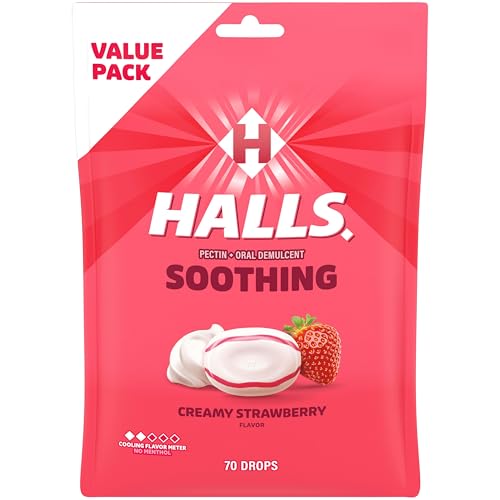
HALLS
HALLS Soothing Creamy Strawberry Throat Drops, Value…
- One value pack bag of 70 HALLS Soothing (previously HALLS Breezers) Creamy Strawberry Throat Drops
- HALLS Soothing drops for sore throat featuring a great-tasting Creamy Strawberry flavor
- Throat drops made with 7 mg of pectin oral demulcent per drop for sore throat relief

The Immediate “Relief” vs. The Rebound Effect
Why does the first sip feel so good? Three things happen at once. The cold temperature numbs the nerve endings in your throat. The carbon dioxide bubbles create a mild tingling sensation that distracts your brain from the pain. And the sugar coats the inflamed tissue, creating a temporary barrier.
That relief lasts roughly 5 to 10 minutes. It’s real, but it’s short-lived. Here’s what happens next.
Within 30 to 60 minutes, your throat gets worse. The cold numbing wears off, and the damage from the acidic liquid becomes apparent. The phosphoric acid and citric acid in Coke have already irritated the mucosal lining. The sugar has left a sticky residue that feeds bacteria. And the caffeine has started to dehydrate the tissue from the inside.
The rebound effect is the reason so many people say Coke makes their sore throat worse, even though they remember it feeling good at first. It’s a delayed reaction. You don’t feel the harm until the numbing fades.
If you’re looking for something that soothes without the rebound, a throat drop like HALLS Soothing Creamy Strawberry Throat Drops works differently. It contains pectin, a demulcent that coats the throat and provides relief that lasts, not a brief sugar rush followed by a crash. It’s not a cure, but it’s a far better choice than soda when your throat is raw.
The Science of Acidity: Why pH Levels Matter for Inflamed Tissue
Your throat lining is a delicate layer of mucosa. Healthy tissue sits at a near-neutral pH around 7.0. Coke sits at a pH of about 2.5. That’s roughly the same acidity as lemon juice or vinegar.
When you pour something with a pH of 2.5 onto tissue that’s already inflamed, you’re chemically burning it. The acid strips away the protective mucus layer. It exposes the raw nerve endings underneath. That’s why your throat feels more raw and sensitive after drinking Coke, even if the initial sip felt soothing.
Your body tries to neutralize the acid by producing more mucus. That’s a good response in small amounts, but excessive mucus production leads to post-nasal drip and throat clearing, which creates more irritation. It becomes a cycle: acid burns, body produces mucus, mucus drips, throat gets more inflamed.
For comparison, here’s how common drinks stack up by pH level:
| Beverage | Approximate pH | Impact on Sore Throat |
|---|---|---|
| Coca-Cola | 2.5 | Severely irritating, strips mucosa |
| Orange juice | 3.5 | Irritating, acidic |
| Coffee | 5.0 | Mildly irritating, dehydrating |
| Milk | 6.7 | Coating, neutral |
| Warm water | 7.0 | Neutral, hydrating |
| Salt-water gargle | ~7.5 | Soothing, reduces inflammation |
Notice the gap between Coke and everything else. That gap is the difference between chemical irritation and neutral comfort.
Carbonation and Mechanical Friction: The Micro-Bubble Problem
Carbonation does more than tickle. Those bubbles are carbon dioxide gas under pressure. When they burst against your throat, they create tiny micro-abrasions on the already-inflamed tissue.
Think of it like this: if you have a sunburn, you wouldn’t rub it with a rough towel. Carbonation is that rough towel for your throat. Each bubble burst is a micro-irritation. Multiply that by thousands of bubbles per sip, and you have significant mechanical friction on tissue that’s already compromised.
This effect is worse with cold carbonated drinks because the cold constricts blood vessels. Constricted vessels reduce blood flow to the area, which slows down the immune response and delays healing. You get the numbing effect, but you also get reduced healing capacity.
And if you’re drinking from a straw, you’re directing the bubbles directly at the most inflamed part of your throat. Drinking from the can or bottle doesn’t help much either, because the liquid still washes over the entire pharynx.
Sugar, Mucus, and Bacterial Growth: The Sticky Cycle
A standard 12-ounce can of Coke contains 39 grams of sugar. That’s about 9.75 teaspoons. The form matters: most Coke in the US uses high-fructose corn syrup, not cane sugar.
Why does that distinction matter for a sore throat? High-fructose corn syrup is absorbed differently. It ferments faster in the mouth and throat, creating a more hospitable environment for bacteria and yeast. The sticky residue it leaves behind acts like a biofilm, a thin layer where bacteria can multiply and thrive.
Your throat is already fighting an infection. Giving it a sugar coating is like throwing gasoline on a campfire. The bacteria in your throat feed on the sugar, multiply, and prolong the infection. That’s why a sore throat that might have cleared in three days turns into a seven-day ordeal when you keep drinking soda.
The sugar also thickens mucus. Thicker mucus is harder to cough up or swallow. It pools in the back of your throat, causing that constant need to clear your throat, which further irritates the tissue. It’s a sticky cycle with no natural exit.
Caffeine and Dehydration: The Hidden Drying Effect
Coke contains about 34 milligrams of caffeine per 12-ounce can. That’s less than coffee, but it’s enough to matter when you’re sick.
Caffeine is a mild diuretic. It makes your kidneys expel more water. When your body is already fighting an infection, it needs every drop of hydration it can get. Dehydration thickens mucus, making it stickier and harder to clear. It also reduces saliva production, and saliva is your throat’s natural cleanser and lubricant.
Without enough saliva, your throat dries out. Dry throat tissue cracks more easily. Those micro-cracks become entry points for more irritation and infection. The caffeine in Coke actively works against your body’s natural healing mechanisms.
Even caffeine-free Coke isn’t a good choice because the sugar and acid problems remain. The caffeine just adds one more layer of harm on top of the existing issues.
The Reflux Connection: How Coke Triggers Acidic Backflow
Here’s a scenario many people don’t consider. You have a sore throat. You drink a Coke. The carbon dioxide in the drink expands in your stomach. That expansion puts pressure on the lower esophageal sphincter, the valve that keeps stomach acid where it belongs.
When that pressure builds, the valve can relax and open. Stomach acid flows backward into your esophagus and throat. This is called reflux, and when it reaches the throat, it’s called laryngopharyngeal reflux (LPR).
LPR is particularly nasty because stomach acid is far more corrosive than the acid in Coke. Your throat has no natural protection against stomach acid. A single reflux episode can cause hours of burning, throat clearing, and a sensation of something stuck in your throat.
If you have a sore throat and drink Coke, you’re risking a double acid exposure: the acid going down and the acid coming back up. That’s why some people wake up the morning after drinking soda with a throat that feels worse than the night before. The reflux happened while they slept.
For a deeper look at how fizzy drinks affect coughs and throat irritation, check out fizzy drinks and coughs for related information.
When Coke Is Absolutely the Wrong Choice (Strep vs. Viral)
Most sore throats are viral. They come with a cold or flu and resolve on their own within a week. But about 15% of adult sore throats are bacterial, most commonly strep throat. The distinction matters for soda consumption.
With a viral sore throat, the tissue is inflamed but not typically infected with pus. Drinking Coke makes it worse through the mechanisms already described, but the damage is temporary. Your immune system clears the virus, and the throat heals.
With strep throat, the tonsils are often covered in white patches or pus. The tissue is actively infected. Drinking Coke on top of that is like pouring acid on an open wound. The sugar feeds the strep bacteria directly. The acid erodes the protective coating over the infected tissue, making the infection more painful and potentially more severe.
Strep throat requires antibiotics. If you suspect strep, see a doctor. Don’t self-medicate with soda or anything else. And definitely don’t drink Coke while waiting for that doctor’s appointment.
There’s also the medication interaction issue. If you’re taking ibuprofen or acetaminophen for the pain, Coke can interfere with how your body absorbs these drugs. The high sugar content slows gastric emptying, which delays the medication reaching your bloodstream. You end up waiting longer for relief that never fully arrives.
Lozenges and throat sprays also work less effectively when your throat is coated in soda residue. The sugary film blocks the active ingredients from reaching the tissue. You’re literally wasting your medicine.
The 24-Hour Recovery Plan: What to Drink Instead
If you want your sore throat to improve within 24 hours, here’s a practical plan. It’s not complicated, but it requires swapping Coke for better options.
Warm Liquids That Soothe
Warm water with lemon and honey is the classic remedy for good reason. The warmth increases blood flow to the throat, which speeds healing. The honey coats and has mild antibacterial properties. The lemon provides vitamin C without the acid load of citrus juice.
Herbal teas like chamomile, ginger, or licorice root are excellent choices. They’re naturally caffeine-free and provide warmth and hydration. Ginger specifically has anti-inflammatory compounds that can reduce throat swelling.
Chicken broth or bone broth works too. It provides fluids, electrolytes, and warmth. The salt in broth also helps reduce inflammation, similar to a salt-water gargle but easier to swallow.
Cold Treats That Numb Safely
Cold can numb a sore throat without the acid and sugar of soda. Ice cream, popsicles, and frozen yogurt are all acceptable options. They provide the numbing effect of cold without the phosphoric acid.
One caveat: choose options that aren’t too sugary. The sugar feeds bacteria, as discussed. A low-sugar popsicle or a small scoop of plain ice cream is better than a heavily sweetened one.
Cold water with ice is also fine. It hydrates and numbs without adding any irritants. The key is to sip it slowly, not chug it, to avoid shocking the throat.
The Salt-Water Gargle Protocol
Salt-water gargling is one of the most effective, cheapest remedies available. Here’s the protocol that works:
- Mix 1/2 teaspoon of salt into 8 ounces of warm water.
- Stir until the salt fully dissolves.
- Tilt your head back and gargle for 15 to 30 seconds.
- Spit it out. Do not swallow.
- Repeat every 3 to 4 hours, especially before bed.
The salt draws fluid out of the inflamed throat tissue, reducing swelling. It also creates an osmotic environment that’s hostile to bacteria. It’s not a cure, but it provides measurable relief within minutes.
For more on how hydration affects your body, you might find apple juice and hydration useful reading.
Final Verdict: Does Coke Make a Sore Throat Worse?
Yes, Coke makes a sore throat worse. The evidence is clear across every mechanism: acidity, carbonation, sugar, caffeine, and reflux potential. The initial numbing sensation is real, but it’s a trap. The rebound effect ensures your throat will feel significantly worse within an hour.
Here’s what you need to remember:
- The first sip feels good, but the rebound effect hits 30 to 60 minutes later.
- Coke’s pH of 2.5 chemically burns inflamed throat tissue.
- Carbonation creates micro-abrasions that worsen irritation.
- 39 grams of sugar feed bacteria and thicken mucus, prolonging the infection.
- Caffeine dehydrates you and dries out throat tissue.
- Coke can trigger acid reflux, adding stomach acid to the throat.
- Strep throat plus Coke is a particularly bad combination.
- Warm liquids, cold treats, and salt-water gargles are safer alternatives.
- If you need a lozenge, choose one with pectin like HALLS Soothing drops instead of reaching for soda.
Your sore throat will heal faster if you skip the Coke. It might not be the answer you wanted, but it’s the truth. Drink water, gargle salt, and give your throat a real chance to recover.
For more on how different drinks affect your body, explore diet Coke and weight gain for related facts about soda consumption.


