People often ask, “What exactly counts as a beverage?” The answer is simple but important for health and daily choices. Any liquid you drink qualifies, but their ingredients and effects vary widely.
Understanding what a beverage is helps you pick drinks that suit your health needs, especially if you watch sugar, caffeine, or acidity.
What Does Define Beverage Mean?
A beverage is any liquid intended for drinking, ranging from plain water to flavored soft drinks. This broad definition includes drinks like tea, coffee, juices, and carbonated sodas. Understanding what a beverage is helps you make safer, more informed choices about what you drink every day.

Beverages can be natural or processed. Natural beverages include water and fresh fruit juices, while processed versions often contain added sugars, preservatives, or carbonation. This variety means the term beverage covers a wide range of liquids with different effects on your health.
| Beverage Type | Example | Key Feature |
|---|---|---|
| Water | Tap or bottled water | No calories or additives |
| Tea | Black, green, herbal tea | Contains antioxidants and sometimes caffeine |
| Coffee | Brewed coffee | Contains caffeine and varying acidity |
| Soft Drinks | Cola, lemon-lime soda | Usually carbonated with added sugar and caffeine |
How Sugar, Caffeine, and Acidity Affect Beverage Choice
Sugar, caffeine, and acidity are key factors shaping how beverages affect your health and comfort. Most people can enjoy them within limits, but certain conditions call for caution. For example, gentle beverages for mild acid reflux are usually low in acidity and caffeine, such as herbal tea or water.
Typical sugar content in beverages varies widely. A 12 oz can of soda often has about 30 to 40 grams of sugar, exceeding the daily recommended limit for many adults. Meanwhile, unsweetened tea contains no sugar, making it a non-acidic, low-calorie option.
| Beverage | Sugar (g per 8 oz) | Caffeine (mg per 8 oz) | pH (Acidity) |
|---|---|---|---|
| Black coffee | 0 | 95 | 4.5 |
| Black tea | 0 | 47 | 4.9 |
| Soda (cola) | 26 | 24 | 2.5 |
| Orange juice | 21 | 0 | 3.5 |
| Herbal tea | 0 | 0 | 6.0 |
| Water | 0 | 0 | 7.0 (neutral) |
Caffeine limits matter too. Most adults can safely consume up to about 400 mg daily. If you’re pregnant or sensitive to caffeine, aim for less. Coffee is a beverage with the highest typical caffeine content, so it’s wise to track how much you drink if you have health concerns.
Acidity affects conditions like acid reflux. Drinks with higher acidity, such as coffee and soda, can irritate the esophagus and worsen symptoms. Non-acidic beverages like water and herbal tea are gentler choices.
How Beverages Compare: Water, Soft Drinks, Tea, and Juice
Water is the simplest and most essential beverage, containing no calories, sugar, or caffeine. It hydrates without adding anything else, making it the safest choice for almost everyone. Milk is also a beverage but stands apart due to its protein, fat, and natural sugar content, offering nutrition beyond hydration.
Beverages, drinks, and soft beverages are terms often used interchangeably, but soft beverages usually mean nonalcoholic, often sweetened and carbonated drinks like soda. Carbonation adds bubbles and acidity, which some people find refreshing but may irritate sensitive stomachs or teeth.
| Beverage Type | Calories per 8 oz | Sugar (g) | Caffeine (mg) | Acidity | Carbonated? |
|---|---|---|---|---|---|
| Water | 0 | 0 | 0 | Neutral | No |
| Soft Drinks (Soda) | 90-150 | 20-40 | 30-50 | High | Yes |
| Tea (unsweetened) | 0-5 | 0 | 20-60 | Mild | No |
| Fruit Juice (100%) | 110-130 | 20-30 | 0 | Moderate | No |
| Milk (whole) | 150 | 12 (lactose) | 0 | Neutral | No |
Soft drinks typically have added sugars and caffeine, which can boost energy but also add calories and increase acid load. They are best limited, especially for people managing weight, diabetes, or acid reflux. Tea offers caffeine with little to no sugar and antioxidants but varies widely by type and preparation.
Juices provide vitamins but also concentrated natural sugars and acids, which may cause issues for teeth or digestion in large amounts. Choosing 100% juice without added sugar is preferable, and diluting juice with water can reduce sugar intake and acidity.
Carbonated drinks can be soft drinks, seltzers, or sparkling waters. Sparkling waters usually contain no sugar or caffeine, making them a low-calorie alternative to soda. However, their acidity might still affect sensitive teeth or cause mild stomach discomfort.
What Beverage Labels and Ingredients Tell You
Labels on beverages list ingredients and nutrition facts that help you spot sugar, caffeine, and additives at a glance. In the US, the Nutrition Facts panel shows total sugars, added sugars, and caffeine content per serving, which is crucial for managing intake.

Popular beverage lists like those for Coke products or Coca-Cola products include sodas, juices, teas, and water, each with different sugar and caffeine levels. Electrolyte beverages like Electrolit are designed to replace fluids and minerals and must list sodium, potassium, and other electrolytes on their labels.
Some additives can trigger sensitivities or interact with medications. For example, artificial sweeteners in diet sodas may cause digestive upset in some people. Natural flavors often hide multiple ingredients, so if you have allergies, contact the manufacturer if the label isn’t clear.
Who Should Be Careful With Certain Beverages and Why
Some groups need to be cautious with certain drinks to avoid health risks. Pregnant people should limit caffeine to about 200 mg a day, roughly two 8 oz cups of brewed coffee, because caffeine crosses the placenta and affects the baby’s development.
Drinking loaded tea during pregnancy can add caffeine and other additives, so it’s best to check the label or choose decaffeinated versions. Milk beverages, including dairy and fortified plant-based milks, provide calcium and protein but can be high in calories or added sugars, so choose unsweetened options if you’re watching intake.
If you have acid reflux, acidic drinks like citrus juices, soda, and some teas can worsen symptoms by irritating the esophagus. It helps to choose low-acid drinks and avoid large amounts at once.
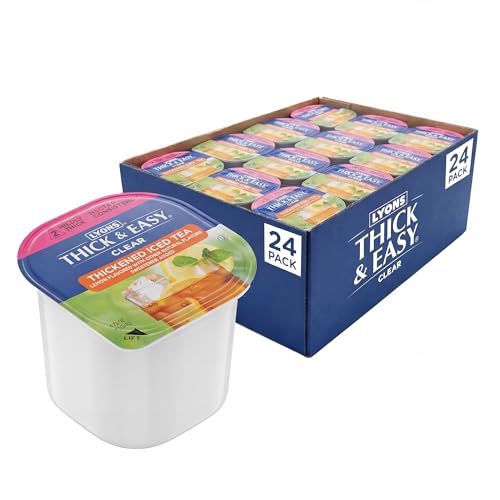
For those with swallowing difficulties, thickened drinks reduce the risk of choking or aspiration. Ready-to-drink options like Thick & Easy® Thickened Iced Tea maintain consistent texture and provide hydration safely.
Kidney disease often requires watching potassium intake. Many fruit juices and some sports or electrolyte drinks can have high potassium levels, which may build up if your kidneys can’t filter well. Choose low-potassium beverages or consult your doctor about safe options.
What To Do Next: Choosing and Drinking Beverages Safely
The meaning of beverage extends beyond just what you drink: its ingredients, texture, and temperature affect how it fits your health needs. Cold temperature in a beverage is usually due to refrigeration or added ice and can impact digestion and comfort depending on your condition.
For a general guide on what beverages are, see our page on beverages meaning to understand the variety and how they differ.


