Does Coffee Make Your Urine Acidic? The Surprising Truth
On this page 6 sections
You finish your morning coffee, hit the bathroom an hour later, and wonder: Is that smell or color normal? More specifically, you’ve heard coffee is acidic — so does that mean it makes your urine acidic too?
It’s a fair question. Coffee does have a pH around 5, which is mildly acidic. But your body has powerful buffer systems that keep your blood pH locked in a narrow range. The real story of how coffee affects urine pH involves brewing method, roast level, your own metabolism, and a few other factors most people never think about. By the end of this article, you’ll know exactly what changes — and what doesn’t.
One thing that helps control the acidity of your final cup is using a reliable brewer that maintains consistent water temperature. The Mr. Coffee 5-Cup Mini Brew Switch Coffee Maker does just that, and its compact design means you can brew fresh coffee without overcomplicating the process. Consistent brewing temperature matters for acid extraction — too hot and you pull more acids; too cool and you under-extract. This machine hits the sweet spot for a balanced cup.
The Short Answer: Yes, But It’s Not That Simple
Most coffee sits at a pH around 4.5 to 5.2 — definitely acidic. Your normal urine pH ranges from 4.5 to 8.0, so coffee is within that range. Drinking coffee can slightly lower your urine pH, but the change is modest. A 2026 study found that coffee consumption shifted urine pH by about 0.2 to 0.5 units on average. That’s not enough to cause any health concern for a healthy person.
The myth that coffee makes your urine acidic to a dangerous degree comes from confusing urine pH with blood pH. Your blood stays at 7.35–7.45 no matter how much coffee you drink. Kidneys filter out excess acid or base to keep that balance. Coffee doesn’t break that system.

What Actually Determines Your Urine pH After Coffee
Several variables decide whether your next trip to the bathroom will be more acidic than usual.
- Brewing method. Cold brew coffee is significantly less acidic than hot brewed coffee — pH around 5.5 to 6.0 versus 4.5 to 5.0. The cold water extracts fewer organic acids. So if you’re worried about acidity, switching to cold brew helps. For more detail, read our guide on coffee making methods and their acidity levels.
- Roast level. Dark roasts contain a compound called N-methylpyridinium that blocks acid production in the stomach, and the roasting process itself breaks down chlorogenic acids. Light roasts are more acidic. So a dark roast actually produces a less acidic cup.
- Additives. Milk or cream has a pH around 6.5–6.8, which neutralizes some coffee acid. A splash of milk can raise the pH of your overall drink by 0.2 to 0.4 units, reducing the load on your kidneys.
- Hydration status. Concentrated urine is always more acidic. If you drink coffee instead of water, you’re also dehydrating slightly, which concentrates the urine and lowers pH. The coffee itself isn’t the only factor; the lack of water matters just as much.
- Individual metabolism. Some people produce more stomach acid or have faster gastrointestinal transit, which can amplify the acid load reaching the kidneys.
If you notice very dark urine after coffee, that’s a separate issue. Our article on coffee make urine dark explains the difference between dehydration coloring and actual blood in urine.
No, Acidic Urine Does Not Mean Your Body Is ‘Out of Balance’
A lot of wellness content claims that acidic urine signals systemic acidosis, candida overgrowth, or ‘toxins’. That’s mostly nonsense. Urine pH fluctuates naturally throughout the day based on what you ate or drank. A high-protein meal makes urine more acidic. Cranberry juice does the same. Coffee is no different.
Your body’s pH balance is regulated by the lungs and kidneys. Blood pH never wavers more than a tiny amount. Testing your urine pH with strips is a poor way to assess overall health. If you’re healthy, temporary dips after coffee are meaningless.
That said, if you have a pre-existing condition like kidney disease or a history of calcium oxalate kidney stones, acidic urine can matter. In that case, talk to your urologist about coffee intake. But for the average person, coffee is not a threat to urinary pH balance.
Comparing Factors That Affect Urine pH After Coffee
| Factor | Effect on Urine pH | Notes |
|---|---|---|
| Cold brew | Raises pH (less acidic urine) | Extracts fewer acids; pH ~5.5–6.0 |
| Hot brewed coffee | Lowers pH slightly | Traditional drip or pour-over; pH ~4.5–5.0 |
| Dark roast | Less acidic than light roast | Roasting destroys acids; NMP compound helps |
| Add milk/cream | Neutralizes some acidity | Raises overall drink pH by ~0.3 |
| Drink on empty stomach | May lower urine pH more | Faster gastric emptying; less buffering |
| Good hydration | Dilutes urine; pH closer to neutral | Drink water alongside coffee |
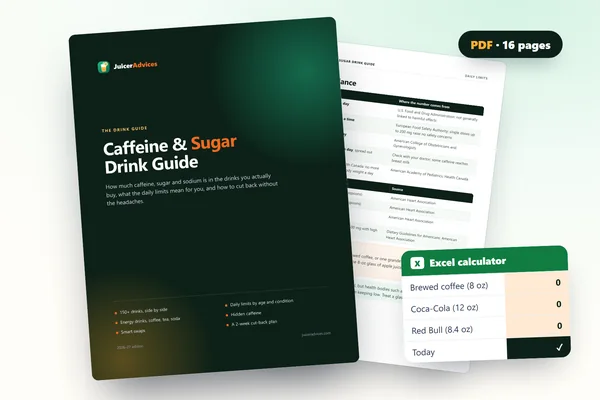 Caffeine & Sugar Drink GuideKnow exactly how much caffeine, sugar and sodium is in 150+ popular drinks, and set daily limits that fit you.Caffeine and sugar in 150+ drinksDaily limits, smart swaps and a cut-back planDaily caffeine and sugar calculator (Excel)
When Should You Actually Worry About Urine pH?
Persistently acidic urine (pH below 5.0) could indicate a medical issue unrelated to coffee. Conditions that cause low urine pH include diabetic ketoacidosis, severe diarrhea, or chronic dehydration. If your urine stays acidic for days regardless of what you eat or drink, see a doctor.
Other symptoms that warrant attention: burning during urination, blood in urine (pink or red color, not just dark), foul odor, or urgency. Those are signs of a urinary tract infection or kidney stone. Coffee can irritate the bladder in some people — a urologist explains coffee bladder effects — but it doesn’t cause infections.
More drinks & kidney health guides on JuicerAdvices.
Frequently Asked Questions
Does coffee make your urine smell?
Yes, coffee contains over 1,000 aromatic compounds, and some of them pass into urine unchanged. The smell is normal and harmless. It’s more noticeable when you’re dehydrated.
Can coffee cause urinary tract infections?
No. Coffee does not cause UTIs. However, caffeine can irritate the bladder lining in sensitive people, making existing UTIs feel worse. If you’re prone to UTIs, cutting back on coffee might help symptoms.
Does decaf coffee have the same effect on urine pH?
Decaf is slightly less acidic than regular coffee because the decaffeination process removes some acids along with caffeine. The difference is small — maybe 0.1 to 0.2 pH units. It won’t dramatically change your urine pH.
How long after drinking coffee does urine become more acidic?
Peak change happens about 1 to 3 hours after drinking, depending on how fast your stomach empties and your kidneys process the load. By 6 hours, urine pH typically returns to baseline.
Does adding milk reduce acidity in urine?
Yes, but the effect is moderate. Milk neutralizes some acid in the cup, reducing the total acid load your kidneys have to handle. The pH change in urine is small but real — about 0.2 units higher compared to black coffee.
What to Do If You’re Concerned
- Drink a glass of water for every cup of coffee. This dilutes urine and prevents the pH from dropping too low.
- Choose cold brew or dark roast coffee if you’re sensitive to acidity.
- Add a splash of milk or cream to buffer the acid.
- Don’t drink coffee on a completely empty stomach — food in your digestive tract buffers acid better.
- If you notice persistent burning, frequency, or odd color, see a doctor. Don’t blame the coffee alone.
- Consider switching to a low-acid coffee brand if you have repeat discomfort.