Does Coffee Lower Your Vibration? The Truth Revealed
On this page 9 sections
- The Old Viewpoint: Coffee as a Vibrational Block
- What Caused the Shift?
- Advice That Is Now Simply Wrong
- Advice That Remains Situational
- What Has Not Changed
- Comparing Coffee’s Impact: Old vs. Current Perspective
- The Role of Alternatives and Tools
- Practical Guidelines for Today
- Frequently Asked Questions
The question of coffee’s effect on one’s “vibration” has stirred debate for years. Advice on this topic has changed. It moved from blanket warnings to a more nuanced, individual perspective. Understanding this shift is key to making informed choices today.

The Old Viewpoint: Coffee as a Vibrational Block
Historically, many spiritual and holistic communities labeled coffee a “low-vibration” substance. This view stemmed from several core ideas. Coffee was seen as a stimulant that creates artificial energy. It was thought to drain the adrenal glands and create dependency. The argument was that true high vibration comes from inner stillness and natural energy.
Consequently, strict advice emerged. Complete avoidance was often recommended for anyone on a spiritual path. The reasoning was simple: coffee扰动 the nervous system and pulls you from a centered state. This advice was delivered as an absolute rule for everyone.
What Caused the Shift?
Two major factors challenged this old consensus. First, new research highlighted coffee’s potential benefits. Studies pointed to its high antioxidant content and cognitive support. The conversation began to include nuance. It wasn’t just about “low vibration,” but also about context and quantity.
Second, a deeper understanding of “vibration” emerged. Vibration isn’t a static state you either have or lose. It’s a dynamic system influenced by sleep, diet, stress, and thought patterns. A single food or drink is rarely the sole factor. This perspective allowed for a more balanced analysis.
Advice That Is Now Simply Wrong
The idea that coffee is universally toxic for your vibration is outdated. It ignored individual variation. Some people thrive with moderate coffee intake. Their overall lifestyle supports a high vibration through sleep, mindset, and diet. Coffee for them is a minor factor.
Another wrong claim was that coffee’s effects are purely negative. This overlooked the positive social rituals around coffee. A mindful cup of coffee can be a meditative practice. The context of consumption matters enormously.
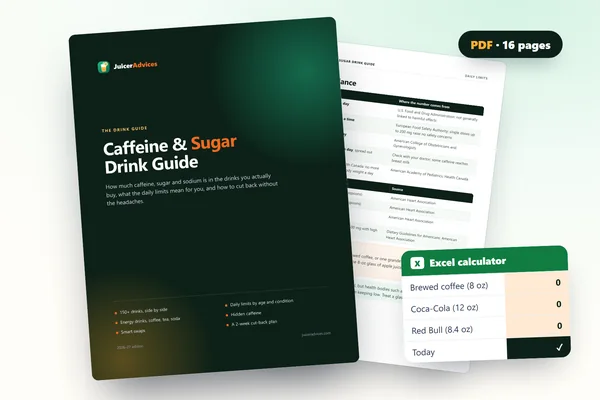 Caffeine & Sugar Drink GuideKnow exactly how much caffeine, sugar and sodium is in 150+ popular drinks, and set daily limits that fit you.Caffeine and sugar in 150+ drinksDaily limits, smart swaps and a cut-back planDaily caffeine and sugar calculator (Excel)
Advice That Remains Situational
Some cautions were always situational, not universal. These remain relevant today.
- Your current health state: If you have anxiety, adrenal fatigue, or high blood pressure, coffee may aggravate symptoms. This is medical advice, not just vibrational.
- Your dosage and timing: Three cups before bed will disrupt sleep. Poor sleep will definitely lower your vibration. A single morning cup is a different scenario.
- The quality of your coffee: Coffee loaded with sugar and artificial creamers creates a different bodily response than black organic coffee.
- Your mindset: Drinking coffee with guilt or fear adds a negative charge. Enjoying it consciously as a pleasure has no inherent vibrational cost.
What Has Not Changed
Some principles are steady. Caffeine is a stimulant. It will affect your nervous system. Excessive intake leads to jitteriness, anxiety, and crash cycles. These states are not associated with high vibration. Hydration is also critical. Coffee is a mild diuretic, and dehydration lowers physical and mental energy.
The importance of listening to your own body remains the golden rule. No article can substitute for your self-awareness. Notice how you feel two hours after your cup. That’s your most reliable data.
Comparing Coffee’s Impact: Old vs. Current Perspective
| Aspect | Old Perspective | Current, Balanced View |
|---|---|---|
| Overall Verdict | Universally low-vibrational. Avoid completely. | Highly individual. Depends on dosage, timing, and overall lifestyle. |
| Primary Concern | It inherently disrupts spiritual energy. | Excess consumption harms sleep and nervous system. |
| Recommended Action | Total elimination. | Mindful moderation. Know your limit. |
| View on Ritual | Rituals reinforce dependency on a low-vibe substance. | Mindful rituals can be a positive, present-moment practice. |
The Role of Alternatives and Tools
Exploring alternatives is practical. Some people switch to green tea for a gentler lift. Others enjoy herbal teas in the afternoon. The goal is finding what supports your specific energy needs without a crash.
Your equipment can also influence the experience. A poor-tasting cup might lead you to add sugar. Investing in a good best coffee maker for ground coffee can elevate the ritual. A clean, flavorful brew needs less added sweeteners.
Practical Guidelines for Today
How do you navigate this with current knowledge? Start with a self-audit.
Observe your patterns. Do you drink coffee out of habit or genuine enjoyment? What happens to your focus and calm after your cup? Keep a simple note for a week.
Set personal parameters. A common beneficial approach is limiting intake to 1-2 cups. Avoid caffeine after 2 PM to protect sleep. Never use coffee to compensate for poor sleep. That creates a vicious cycle.
Consider your coffee’s companion. Black coffee or with a splash of milk has a different impact than a syrupy blended drink. You can find quality convenience store coffee machine milk options for a simple addition.
Frequently Asked Questions
Does decaf coffee lower vibration?
Decaf removes most caffeine but not all. It also retains the antioxidants found in coffee beans. For many, decaf is a perfectly fine choice. It avoids the stimulant effects while keeping the ritual. Its impact on vibration is likely minimal.
Can coffee ever be good for my vibration?
Possibly. For some, a morning cup can enhance focus and mood. This can support productive, creative work. That activity itself can raise vibration. The key is the coffee serving as a tool, not a crutch.
What’s the best way to drink coffee for high vibration?
Drink it mindfully. Savor the taste and aroma. Have it earlier in the day. Choose high-quality beans. Stay hydrated with water alongside it. Avoid making it a source of anxiety or guilt.
I feel anxious after coffee. Is that a vibration thing?
It’s a physiological response. Coffee increases cortisol and adrenaline. You may be sensitive to caffeine or consuming too much. Try reducing your intake or switching to half-caf. Listen to that signal from your body.
Are there better alternatives for energy?
Yes, depending on the cause of fatigue. Green tea offers L-theanine and moderate caffeine. Short walks, sunlight, and proper hydration are powerful. Sometimes fatigue signals a need for rest, not a stimulant.
The conversation has matured. Coffee isn’t an enemy of high vibration. It’s a personal choice that demands self-awareness. Your vibration is a complex symphony. Coffee is just one instrument in the orchestra.