Do Sparkling Ice Drinks Cause Cancer? The Truth
On this page 5 sections
Say you drink one 16 oz bottle of Sparkling Ice each day and wonder if this could raise your cancer risk. The short answer is no, according to current evidence. This article explains what’s in Sparkling Ice, what the research says about cancer risk, and who might want to limit it.
Understanding the ingredients and their effects helps you make an informed choice and avoid unnecessary worry.
Do Sparkling Ice Drinks Cause Cancer? The Truth
Sparkling Ice drinks do not cause cancer for most people. They contain sucralose and other ingredients that are generally recognized as safe by the FDA, and no solid evidence links them to cancer in humans.
These drinks are sweetened with sucralose, a non-nutritive artificial sweetener that does not contain aspartame. Sucralose passes through the body mostly unchanged and has been reviewed extensively for safety.
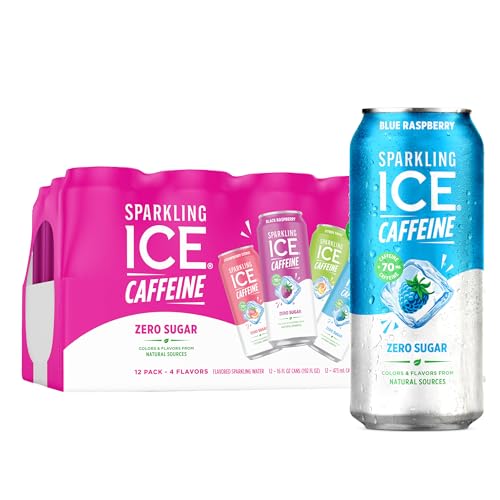
Typical Sparkling Ice ingredients include carbonated water, natural flavors, sucralose, potassium benzoate as a preservative, and added vitamins such as A, B2, B5, B6, B12, and D3. They have zero sugar and about 10 calories per 16-ounce bottle.
Sucralose’s safety is supported by the FDA and numerous studies showing no convincing link to cancer. While some animal studies raised theoretical concerns at extremely high doses, these do not reflect typical human intake.
Potassium benzoate, the preservative used in Sparkling Ice, prevents bacterial growth and is approved for use in beverages at low levels. Concerns about preservatives and colorings often come from confusion with artificial dyes and additives not present in Sparkling Ice.
Each bottle contains natural flavors but no artificial colorings or aspartame. The carbonation adds a fizzy texture but is not connected to cancer risk.
| Ingredient | Purpose | Safety Notes |
|---|---|---|
| Sucralose | Sweetener | FDA-approved, no cancer link at typical doses |
| Potassium Benzoate | Preservative | Approved for beverage use, low risk |
| Natural Flavors | Flavoring | Derived from natural sources, generally safe |
| Carbonated Water | Fizziness | No cancer risk |
| Vitamins (A, B complex, D3) | Nutrient fortification | Safe in standard amounts |
Safe Daily Amount of Sparkling Ice to Drink
About one 16 oz (one bottle) of Sparkling Ice daily is safe for most adults. It contains zero sugar and typically only 5 calories per bottle, making it an appealing low-calorie beverage.
Sparkling Ice drinks have a pH around 3, which means they are acidic. This acidity can affect your tooth enamel over time and may cause mild stomach irritation in sensitive people, so rinsing your mouth with water after drinking can help protect your teeth.
Caffeine content varies by flavor. Some varieties have no caffeine, while others contain around 70 mg per bottle, similar to a small cup of coffee. Check the label to know your caffeine intake if you are sensitive or limiting caffeine.
Each bottle contains about 40 mg of sucralose, an artificial sweetener. This amount is well below the safety limits set by regulatory agencies, making it safe for daily consumption in typical amounts. Sucralose doesn’t raise blood sugar, which benefits people watching their glucose levels.
People Who Should Avoid or Limit Sparkling Ice Drinks
Sparkling Ice includes carbonated water, sucralose, acids like citric acid, potassium benzoate as a preservative, and sometimes caffeine. These ingredients can cause side effects in some groups.
People with irritable bowel syndrome (IBS) or sensitive digestive systems may find the carbonation and sucralose cause bloating, gas, or stomach discomfort. Limiting or avoiding these drinks can reduce those symptoms.
If you have acid reflux or gastroesophageal reflux disease (GERD), acidic and carbonated drinks like Sparkling Ice can worsen irritation of the esophagus and trigger symptoms. It is best to limit intake or avoid them during flare-ups.
Some individuals are allergic or sensitive to preservatives such as potassium benzoate. If you notice reactions like hives, swelling, or breathing difficulties after drinking Sparkling Ice, stop immediately and consult your doctor.
People with kidney disease on potassium-restricted diets should check labels carefully, as potassium benzoate contributes potassium. Although the amount per bottle is low, it can add up if you drink multiple servings daily.
Children and pregnant women should consult their healthcare providers about consuming artificial sweeteners like sucralose since recommendations vary depending on personal health and pregnancy stage.
 Caffeine & Sugar Drink GuideKnow exactly how much caffeine, sugar and sodium is in 150+ popular drinks, and set daily limits that fit you.Caffeine and sugar in 150+ drinksDaily limits, smart swaps and a cut-back planDaily caffeine and sugar calculator (Excel)
Better Drink Choices Than Sparkling Ice
If you want to skip Sparkling Ice drinks, plain sparkling water with a splash of natural fruit juice or slices is a great choice. It gives you bubbles and flavor without sweeteners or artificial additives.
Herbal iced teas offer a caffeine-free and low-acid option. You can brew chamomile, rooibos, or peppermint tea and chill it for a refreshing drink without the concerns tied to sucralose or citric acid.
Making your own fruit and herb infused waters is simple and healthy. Just add cucumber, lemon, mint, or berries to cold water or sparkling water. This gives subtle flavor and aroma without added sugars or preservatives.
Kombucha can be a beneficial alternative thanks to its probiotics, which may support gut health. However, it often contains sugar, so limit intake to about 8 oz a day and check the label for added sweeteners.