Do Smoothies Destroy Fiber? Common Misunderstandings Explained
8 min read
Quick answer
Blending smoothies does not destroy fiber. The total fiber stays the same, but blending breaks it into smaller pieces that your body digests faster. This changes how filling the fiber feels and how quickly sugar from fruit enters your blood.
Many people wonder if blending fruits and vegetables into smoothies removes the fiber they provide. Fiber is important for digestion and blood sugar control, so understanding how blending affects it matters.
This article explains what fiber is, how blending changes its structure, and what that means for your health and hunger. It also compares smoothies to whole fruits and juices, and gives tips to maximize fiber in your drinks.
The essentials
Blending does not remove fiber but cuts it into smaller pieces, speeding digestion.
Smoothies keep all the fiber from whole fruits and vegetables, unlike juice that removes pulp.
Smaller fiber particles in smoothies make them less filling than whole fruit, affecting hunger and blood sugar.
Adding vegetables, seeds, or nuts boosts fiber and balances sugar in smoothies.
Drinking smoothies slowly and including protein or fat can help you feel fuller longer.
Do Smoothies Destroy Fiber? The Truth About Blending
Smoothies do not destroy fiber. They retain all the fiber from the fruits and vegetables you blend, though the fiber gets broken into smaller pieces. Fiber, the structural part of plants, includes insoluble types that add bulk and soluble types that form gels; blending cuts these fibers into shorter fragments, like chopping rope into shorter strands.
Smoothies retain all the fiber from blended fruits and vegetables.
Blending does not chemically alter fiber or remove it. Instead, it changes the fiber’s physical form. Fruit smoothies keep the fiber intact, unlike juicing, which extracts juice and removes most fiber. So, making a smoothie does not reduce your fiber intake or ruin the fiber in blueberries or any other fruits you use.
Myth
Blending breaks down fiber and removes its health benefits
Fact
Blending cuts fiber into smaller pieces but keeps all of it, preserving its presence and many benefits. The fiber is still there, just in a different, more easily digestible form.
Fiber Type
Role
Effect of Blending
Insoluble fiber
Adds bulk, aids digestion
Cut into smaller pieces, still present
Soluble fiber
Slows digestion, moderates blood sugar
Physically smaller but chemically unchanged
How blending affects fiber types in your smoothie
In short
Smoothies contain all the fiber of the whole fruits and veggies you blend. The fiber’s size changes, but not its amount or core structure.
Blending Changes Fiber’s Effect On Digestion and Fullness
Blending changes how fiber affects digestion and fullness by making fiber particles smaller. When you chew whole fruit, the mechanical breakdown is slower and more thorough, which helps slow digestion. Blended fiber particles are already small, so digestion speeds up compared to whole fruit.
Smaller fiber pieces mean your body absorbs sugars faster, causing a quicker rise in blood sugar and less lasting fullness. The fiber is still present and helps digestion, but it’s less effective at slowing sugar absorption and keeping you full for longer.
Myth
Blended fruit has no fiber effect on blood sugar or hunger
Fact
Fiber’s presence remains, but blending reduces its ability to slow sugar absorption and prolong fullness because the fiber particles are smaller and digest faster.
Worked example
Say you drink a 12 oz fruit smoothie with blended blueberries and banana. The fiber is intact but broken down, so your blood sugar may rise faster and you might feel hungry again sooner than if you ate the same fruits whole.
Smoothie size12 oz
Fiber formSmaller particles
EffectFaster digestion, quicker hunger
Smoothie Ingredients That Support Fiber and Balance Sugar
Choose powders that add fiber and nutrients without excess sugar or artificial additives
Prebiotic fiber boost
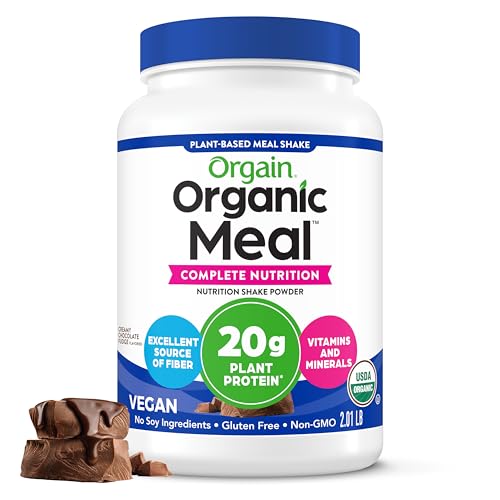
Orgain Organic Vegan Protein Powder Chocolate Fudge
This plant-based powder provides 7 g of prebiotic fiber per serving, helping support digestion and gut health while keeping sugar low at 2 g. It blends well with fruits and greens for a nutrient-rich smoothie that maintains fiber benefits.
Smoothies Compared To Whole Fruit and Juice For Fiber
Fruit smoothies are not low-fiber foods. They keep all the fiber found in whole fruit, just in a broken-down form. Whole fruit has intact fiber that slows digestion, making you feel full longer and moderating sugar absorption. Smoothies keep all fiber but blend it into smaller pieces, so sugar enters your blood faster than whole fruit but slower than juice.
Juice removes most insoluble fiber by discarding the pulp, which is the main source of fiber. That leaves mostly sugar and water, causing a rapid blood sugar spike and less fullness. Choosing smoothies instead of juice helps maintain fiber intake and slows sugar absorption.
Drink
Fiber Content (per 8 oz)
Sugar Absorption Speed
Whole Fruit (e.g., apple)
About 3-4 g
Slowest
Smoothie (whole fruit blended)
About 3-4 g
Moderate
Fruit Juice (no pulp)
Less than 0.5 g
Fastest
Fiber content and sugar absorption from different fruit forms
Ingredients That Maximize Fiber and Balance Sugar in Smoothies
A smoothie made with whole fruits and vegetables, including skins and seeds, retains the full fiber content of those ingredients. For example, blending yogurt and kiwi together keeps the fiber count about the same as eating them separately, because fiber isn’t destroyed by blending. Using more vegetables than fruit in your smoothie reduces sugar load and boosts fiber.
Ingredients to Maximize Fiber and Balance Sugar
Use whole fruits and vegetables including skins and seeds
Add fiber-rich extras like ground flaxseed, chia seeds, or psyllium husk
Include vegetables such as spinach or cucumber to lower sugar content
Add protein or healthy fats like Greek yogurt or nut butter to slow digestion
Avoid straining smoothies to keep pulp and fiber intact
Useful here
Orgain Organic 20g Meal Protein Powder
The Ninja Fit Compact Personal Blender powers through whole fruits and vegetables, including skins and seeds, maintaining fiber and nutrient extraction for balanced smoothies.
Blender Type’s Impact on Fiber and Nutrient Quality in Smoothies
The blender type does matter for how your smoothie’s fiber feels and how nutrients hold up, but it does not change the total fiber quantity. High-speed blenders break fiber into finer particles, speeding digestion and making the texture smoother. Low-speed or less powerful blenders leave fiber particles larger, closer to whole food texture, which slows digestion slightly.
Blender type affects fiber texture and nutrient quality but not fiber amount.
Using a Vitamix or another strong blender doesn’t destroy nutrients in your fruits and vegetables. It just exposes some vitamins to oxygen and heat during blending, causing minor losses over time. Drinking your smoothie fresh preserves the most nutrients, so it’s best to avoid letting it sit for hours.
Myth
Blending fruit or vegetables destroys their fiber and nutrients.
Fact
Blending does not destroy fiber quantity; it only breaks fiber into smaller pieces. Nutrient loss from blending is minimal if you drink the smoothie soon after making it.
Good for nutrient extraction
Orgain Organic 20g Meal Protein Powder
The Ninja Fit Compact Personal Blender uses a 700W motor to break down fiber well while extracting vitamins, making it a solid choice for nutrient-rich smoothies.
How To Know If Your Smoothie Fiber Is Working For You
You do get fiber from smoothies, but blending changes how it feels and how fast it moves through your system. Blending pineapple or other fruits does not reduce the total fiber but does break it down, which can speed digestion.
Watch how you feel after drinking a smoothie. If you get hungry soon, your smoothie might be digesting faster than whole fruit would. Try comparing how full you feel after eating the same ingredients whole versus blended.
Signs your smoothie fiber is working
You feel comfortably full for at least 1-2 hours after drinking
Your digestion feels regular without discomfort or bloating
You don’t feel a quick spike and drop in energy or hunger
Adding more fiber or protein helps if hunger returns too fast
Drinking your smoothie slowly improves fullness signals
Adjust your smoothie ingredients based on your digestion and fullness goals. Adding protein or more fibrous vegetables can help slow digestion. Drinking slowly lets fullness signals catch up, which might help you avoid overeating later.
If you’re unsure whether your smoothie fiber fits your needs, try alternating whole fruits and blended drinks or tweak recipes until you find the best balance for you.
More Questions, Answered
Does blending destroy insoluble fiber?
Blending does not destroy insoluble fiber, but it breaks it into smaller pieces. This can make it less effective at adding bulk to your stool, which is one way insoluble fiber helps digestion. Still, the total amount remains unchanged.
Is a smoothie worse than eating whole fruit?
Smoothies are not worse for fiber than whole fruit, but they digest faster because blending breaks fiber down. This means you might feel less full and experience a quicker rise in blood sugar. Whole fruit offers a slower, more gradual digestion experience.
Can I get enough fiber from smoothies?
You can get enough fiber from smoothies if you include whole fruits and vegetables with skins and seeds. Relying only on juices or peeled fruits lowers fiber content. Tracking your total daily fiber intake helps ensure you meet recommended amounts.
Should I chew my smoothie?
Chewing a smoothie is not necessary since blending has already broken down the fiber. However, sipping slowly can help your body register fullness better than gulping. This can prevent overeating by giving your digestive system time to respond.
Does blending destroy fiber in bananas?
Blending bananas does not destroy their fiber. The fiber remains intact but is divided into smaller particles, which your body digests more quickly. Including the banana peel in a smoothie would add even more fiber, but most people avoid it due to taste and texture.
What’s the best way to add fiber to a smoothie without changing the taste?
Adding ground flaxseed or chia seeds boosts fiber without altering taste much. You can also use spinach or kale, which blend smoothly and add fiber with minimal flavor impact. Avoid adding too many sweeteners to keep your smoothie balanced.