You finish your post-workout shake, head to the bathroom, and glance down. The color looks off. Maybe it’s darker than usual, or has a strange yellow tint you don’t recognize. Your first thought is probably, “Did that vanilla shake do this?”
The short answer is yes, protein shakes can change urine color, but not always in the way you think. The shake itself rarely has a direct coloring effect. What matters more is what’s in the powder, how much water you drank, and how your kidneys are handling the extra protein load. This article walks through the real reasons your urine changes color, what each shade means, and when you should actually call a doctor.
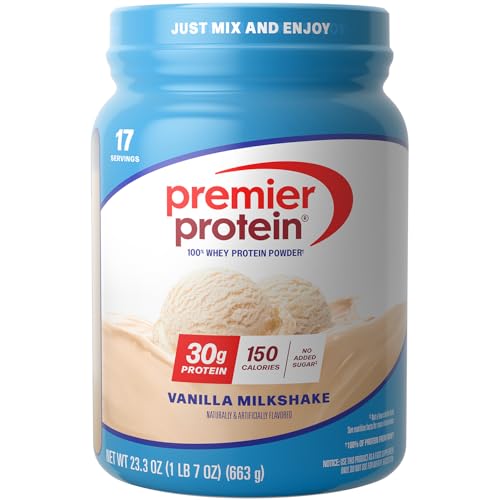
Premier Protein
Premier Protein 30g High Protein Powder, 100%…
- Sweet and smooth, this vanilla flavored protein powder helps pack in the nutrition you rely on every day while delivering indulgen…
- 30g Protein per serving, with all the essential amino acids and 100% of protein from Whey to feed your muscles and curb your hunge…
- Guilt free yum: 1g Sugar, 3g Carbs, 150 Calories and Low Fat; No Soy Ingredients, Gluten Free
You’ll leave with a clear checklist to figure out if your shake is the culprit or if something else is going on.
If you’re using a standard whey powder, something like Premier Protein 30g Whey Powder is a solid baseline. It’s low in sugar and carbs, so you’re less likely to deal with artificial dye overload or sugar crashes that mess with hydration. That makes it easier to isolate what’s actually changing your urine color.

Why Your Urine Looks Different After a Protein Shake
Most people assume the powder itself tints the urine. That’s rarely true. Whey protein is off-white or cream colored. It doesn’t contain pigments that survive digestion and end up in your bladder.
The real reasons break down into three categories: dehydration, artificial additives, and kidney stress. Each one looks different in the toilet bowl.
Dehydration Is the Most Common Cause
Protein metabolism produces nitrogen waste. Your kidneys filter that waste out, and they need water to do it. When you drink a shake without enough fluids, your urine becomes concentrated. Concentrated urine looks dark yellow or amber.
Here’s the math that matters: a typical scoop of protein powder requires about 8 to 12 ounces of water just to mix. But your kidneys need more than that to process the 25 to 30 grams of protein. A good rule is to drink an extra 16 ounces of water for every shake you consume, on top of your normal intake.
If you’re drinking shakes post-workout and skipping water, you’ll see dark urine within a few hours. That’s not a protein problem. That’s a hydration problem.
Artificial Colors and Sweeteners Play a Role
Flavored protein powders often contain artificial colors. Chocolate and strawberry varieties are the usual suspects. Some brands use FD&C Yellow No. 5 or Red No. 40 to make the product look more appetizing.
These dyes pass through your system mostly unchanged. If you drink a brightly colored shake, your urine can take on a slight tint of that color. It’s harmless, but it can scare you if you’re not expecting it.
Check the ingredient label. If you see a color name followed by a number, that’s your culprit. Unflavored or naturally flavored powders rarely cause this issue.
Kidney Strain Shows Up Differently
Your kidneys filter about 150 quarts of blood daily. They handle protein fine, but excessive amounts over a long period can stress them. If you’re consuming more than 2 grams of protein per kilogram of body weight daily, your kidneys work overtime.
The sign here isn’t just dark urine. You might notice foamy or bubbly urine. That foam indicates protein spilling into your urine, something your kidneys should normally keep out. If you see persistent foam alongside darker color, that’s worth a conversation with your doctor.
This scenario is rare for most people. It typically affects bodybuilders on extreme diets or people with pre-existing kidney issues. But it’s worth knowing the difference.
What Each Urine Color Actually Means
Urine color gives you a quick health snapshot. Here’s what different shades indicate when you’re drinking protein shakes regularly.
| Urine Color | Likely Cause | What To Do |
|---|---|---|
| Clear to pale yellow | Well hydrated, normal kidney function | Keep doing what you’re doing |
| Dark yellow or amber | Dehydration or concentrated urine | Drink more water over the next few hours |
| Bright yellow or neon | B vitamins (B2, B12) in your shake or diet | Harmless; adjust supplement timing if it bothers you |
| Orange or brown | Severe dehydration, liver issues, or certain medications | Hydrate and monitor; if it persists, see a doctor |
| Pink or red | Beets, food dyes, or blood in urine | Check if you ate beets recently; otherwise get tested |
| Foamy or bubbly | Excess protein in urine, possible kidney strain | Reduce protein intake and consult a healthcare provider |
That table covers the basics, but let’s be specific about the scary ones. Red or brown urine that isn’t from beets or food coloring needs medical attention. Same goes for persistent foam that doesn’t clear after a few flushes.
How Much Protein Is Actually Too Much?
You’ve probably heard the number 1 gram per pound of body weight. That’s a bodybuilding guideline, not a medical one. For a sedentary person, the recommended dietary allowance is 0.8 grams per kilogram of body weight. That’s roughly 55 grams for a 150-pound person.
Athletes and active people need more. The International Society of Sports Nutrition suggests 1.4 to 2.0 grams per kilogram for those training regularly. That’s about 95 to 135 grams for a 150-pound person. Most people fall safely in that range.
Problems start when you exceed 2.5 grams per kilogram without increasing water intake. Your kidneys can’t keep up with the nitrogen waste, and your urine darkens as a result. This isn’t kidney damage. It’s temporary strain that resolves when you hydrate or cut back.
If you’re worried about long-term effects, read up on protein shakes and kidney damage to separate myth from fact. The short version is that healthy kidneys handle high protein fine. Diseased kidneys don’t.
Does the Type of Protein Matter?
Whey, casein, soy, and plant-based blends all process differently. Whey is fast-digesting, which means a quick spike in amino acids. Casein digests slowly over hours. Plant proteins sit somewhere in between.
For urine color, the protein source matters less than the additives. A plant-based powder with artificial berry flavoring will tint your urine more than plain whey. A casein shake with added B vitamins will make it neon yellow.
One thing that does matter is whether the protein is a diuretic. Some people worry that protein shakes make you pee more. The truth is that protein itself isn’t a diuretic, but the caffeine in some pre-workout blends can be. Check if your shake contains caffeine or other stimulants. Those will affect urine output and color more than the protein will. This guide on protein shakes and diuretic effects explains the mechanics clearly.
When to Actually Worry
Most urine color changes from protein shakes are benign. But there are red flags that deserve attention.
Blood in urine looks pink, red, or cola-colored. It doesn’t resolve with hydration. If you see that, call your doctor. Don’t wait to see if it clears.
Painful urination alongside color change could indicate a urinary tract infection. Protein shakes don’t cause UTIs, but dehydration from inadequate water intake can make you more susceptible. If you’re experiencing burning or discomfort, that’s a separate issue from color.
Persistent foam for more than a few days warrants a urine test. Your doctor can check for proteinuria, which is excess protein in the urine. That’s a marker for kidney issues that shouldn’t be ignored. For more context on whether shakes can trigger infections, check this piece on protein shakes and urinary tract infections.
Common Questions People Ask
Can protein powder itself turn urine green or blue?
Yes, but only if it contains artificial dyes. Some birthday cake or cotton candy flavored powders use blue or green food coloring. Those pigments pass through your system unchanged. If your urine looks greenish, check the ingredient list for Blue No. 1 or Yellow No. 5 combined with blue. It’s harmless, but it looks alarming.
Why is my urine dark the morning after a protein shake?
That’s almost certainly dehydration. You slept for eight hours without water, and your body concentrated urine overnight. The shake from the previous day isn’t directly responsible. Drink a glass of water first thing and see if the color normalizes within a few hours.
Does protein make you pee more often?
Protein itself doesn’t act as a diuretic. But high protein intake increases urea production, which requires more water to excrete. If you’re not drinking enough, you’ll pee less but with darker urine. If you’re drinking plenty, you’ll pee more simply because of the extra fluid intake.
Can I prevent protein shake urine color changes?
Yes. Drink at least 16 ounces of water per shake, avoid powders with artificial dyes, and skip added B-vitamin complexes if they bother you. That covers 95% of cases. The remaining 5% involve underlying health conditions that need medical evaluation.
Is neon yellow urine from protein shakes dangerous?
No. Bright yellow urine usually comes from riboflavin, also known as vitamin B2. Many protein powders are fortified with B vitamins. Your body absorbs what it needs and pees out the rest. The color is harmless. It just looks surprising.
What You Can Do Right Now
You don’t need to panic over a single dark urine sample. Here’s a practical checklist to follow.
- Drink a full glass of water immediately after any protein shake. That’s non-negotiable for most people.
- Check your powder’s ingredient label for artificial colors and B-vitamin fortification. Those are the two main culprits.
- Monitor urine color over 24 hours. One dark sample after a workout is normal. Persistent darkness across multiple days is not.
- Cut back protein intake if you’re consistently above 2 grams per kilogram of body weight.
- Look for foam or bubbles. That’s a better indicator of kidney strain than color alone.
- Switch to an unflavored or naturally flavored powder if dyes are the issue. Something like a plain protein shake option eliminates most variables.
- Call your doctor if you see pink, red, or brown urine that doesn’t clear with hydration within 24 hours.
Most people figure this out quickly. It’s almost always dehydration or artificial ingredients. Once you adjust your water intake and check the label, the color returns to normal within a day. If it doesn’t, that’s when you involve a professional.


