Diet Coke vs Coke Zero Difference: Which Fits Your Needs?
On this page 9 sections
Diet Coke and Coke Zero are two popular sugar-free sodas from Coca-Cola, often confused but not identical. Choosing the wrong one might affect your caffeine intake or stomach comfort, depending on your sensitivity or health conditions.
This comparison breaks down key differences in sugar, caffeine, acidity, electrolytes, nutrients, cost, and taste to help you decide which suits your needs best.
Diet Coke vs Coke Zero at a Glance
| Factor | Diet Coke | Coke Zero |
|---|---|---|
| Sugar and Calories | Zero sugar and zero calories | Zero sugar and zero calories |
| Caffeine Content | 46 mg per 12 oz can | 34 mg per 12 oz can |
| Acidity and Stomach Impact | Slightly higher acidity, may irritate sensitive stomachs | Slightly less acidic, but still acidic |
| Electrolytes and Hydration | No electrolytes | No electrolytes |
| Taste Profile | Lighter, crisper with citrus notes | Closer to classic Coca-Cola taste |
| Cost per Serving | Varies by retailer and location | Varies by retailer and location |
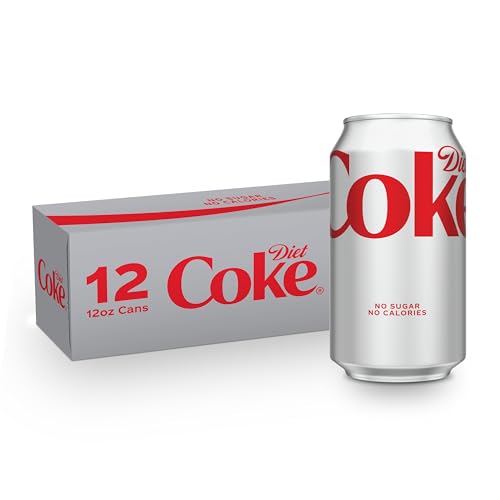
Diet Coke Soda Soft Drinks 12 fl oz Cans

Coke Zero Sugar Cola Soda 12 oz Cans
How Sugar and Calories Compare
Both Diet Coke and Coke Zero contain zero sugar and zero calories per 12 oz can, making them popular choices for those watching their calorie intake or managing blood sugar.
They differ mainly in the blend of artificial sweeteners used. Diet Coke uses aspartame alone, while Coke Zero combines aspartame with acesulfame potassium. This mix slightly changes the sweetness profile and aftertaste.
If you have sensitivity to certain artificial sweeteners, this matters. Some people report digestive discomfort or headaches from aspartame, so Coke Zero’s blend might reduce that risk, but it depends on individual tolerance.
For anyone particularly sensitive to sodium, Diet Coke contains about 40 mg of sodium per 12 oz can. This is a small amount compared to typical daily limits but can add up if you drink several cans a day. Coke Zero has a similar sodium level.
| Drink | Sugar (g) | Calories | Sweeteners | Sodium (mg) |
|---|---|---|---|---|
| Diet Coke | 0 | 0 | Aspartame | 40 |
| Coke Zero | 0 | 0 | Aspartame, Acesulfame Potassium | 40 |
Caffeine Levels and Effects
Diet Coke contains about 46 mg of caffeine per 12 oz can, while Coke Zero has slightly less, around 34 mg per 12 oz can.
This difference may matter for people sensitive to caffeine or those managing intake due to health conditions or medication interactions. For most adults, up to 400 mg of caffeine a day is considered safe.
Caffeine can affect sleep and cause jitteriness or palpitations in sensitive individuals, so timing matters. Avoid drinking these sodas late in the day if you notice sleep disruption.
Regarding aspartame content, Coke Zero and Diet Coke have similar levels, though Coke Zero pairs it with acesulfame potassium. Neither has more aspartame than the other in a single can.
| Drink | Caffeine (mg) |
|---|---|
| Diet Coke | 46 |
| Coke Zero | 34 |
 Caffeine & Sugar Drink GuideKnow exactly how much caffeine, sugar and sodium is in 150+ popular drinks, and set daily limits that fit you.Caffeine and sugar in 150+ drinksDaily limits, smart swaps and a cut-back planDaily caffeine and sugar calculator (Excel)
Why Acid Content Matters for Your Stomach
Both Diet Coke and Coke Zero are acidic drinks, but their acidity levels differ slightly. Diet Coke typically has a pH around 3.3 to 3.5, while Coke Zero’s pH is slightly higher, closer to 3.5 to 3.7. This difference might seem small, but it can affect how your stomach and esophagus respond, especially if you have acid reflux or gastritis.
Acidic drinks can irritate the lining of your esophagus and stomach. If you have reflux, the acid in these sodas can worsen symptoms like heartburn or indigestion. So to answer common concerns: Diet Coke can cause acid reflux or make it worse for some people, and it may also trigger acid indigestion. The same applies to Coke Zero, although its slightly lower acidity might be a bit gentler.
If your stomach is sensitive or you suffer from gastritis, both drinks may irritate your condition due to their acidity and carbonation. However, Coke Zero’s marginally higher pH and different acid blend might make it a better choice for those sensitive to acid, but the difference is subtle.
| Drink | Approximate pH | Effect on Sensitive Stomachs |
|---|---|---|
| Diet Coke | 3.3–3.5 | More acidic, may irritate reflux or gastritis |
| Coke Zero | 3.5–3.7 | Slightly less acidic, potentially gentler but still acidic |
Electrolytes and Hydration Impact
Neither Diet Coke nor Coke Zero contains electrolytes like sodium, potassium, or magnesium. These minerals help maintain hydration and nerve function, but these sodas provide none of them.
Both drinks do contribute fluid to your daily intake, which helps with hydration. However, caffeine, present in both sodas (Diet Coke has about 46 mg per 12 oz, Coke Zero around 34 mg), can have a mild diuretic effect. For most people, this effect is minor and does not cause dehydration if you drink them in typical amounts.
If you’re exercising heavily, ill with dehydration risk, or recovering from a procedure requiring clear liquids and electrolyte balance, water or a beverage with electrolytes is a better choice than these sodas. They won’t replenish the minerals your body loses through sweat or illness.
Nutrient Content Differences
Neither Diet Coke nor Coke Zero provides meaningful amounts of vitamins or minerals. Their nutrition profiles are essentially limited to caffeine and acidity without notable nutritional value.
Because these sodas don’t supply nutrients, they shouldn’t replace beverages or foods that offer vitamins and minerals. If your diet is otherwise balanced, occasional consumption won’t impact your nutrient status.
People relying on fortified drinks or supplements for specific nutrients should not expect any benefit from Diet Coke or Coke Zero. Their role is primarily as low-calorie, sugar-free drink options rather than nutrition sources.
Cost per Serving Comparison
Both Diet Coke and Coke Zero are typically sold in 12 oz cans, with prices varying mainly by retailer and location. Usually, their cost per serving is quite similar.
| Product | Pack Size Options | Typical Price Range |
|---|---|---|
| Diet Coke | 6, 12, 24 cans | Varies by store, usually close to Coke Zero |
| Coke Zero | 6, 12, 24 cans | Comparable to Diet Coke |
Buying larger packs often reduces the cost per can, so consider availability and storage when choosing. Special promotions or local store pricing may create small differences but rarely enough to favor one over the other.
If you want to monitor spending, checking prices at your local stores or online sellers can help. Still, the decision between these sodas is unlikely to be driven by cost.
Taste and Best Uses
Diet Coke offers a lighter, crisper taste with distinct citrus notes that set it apart from other colas. This flavor profile makes it feel refreshing and less heavy, appealing to those who prefer a soda that doesn’t overpower the palate.
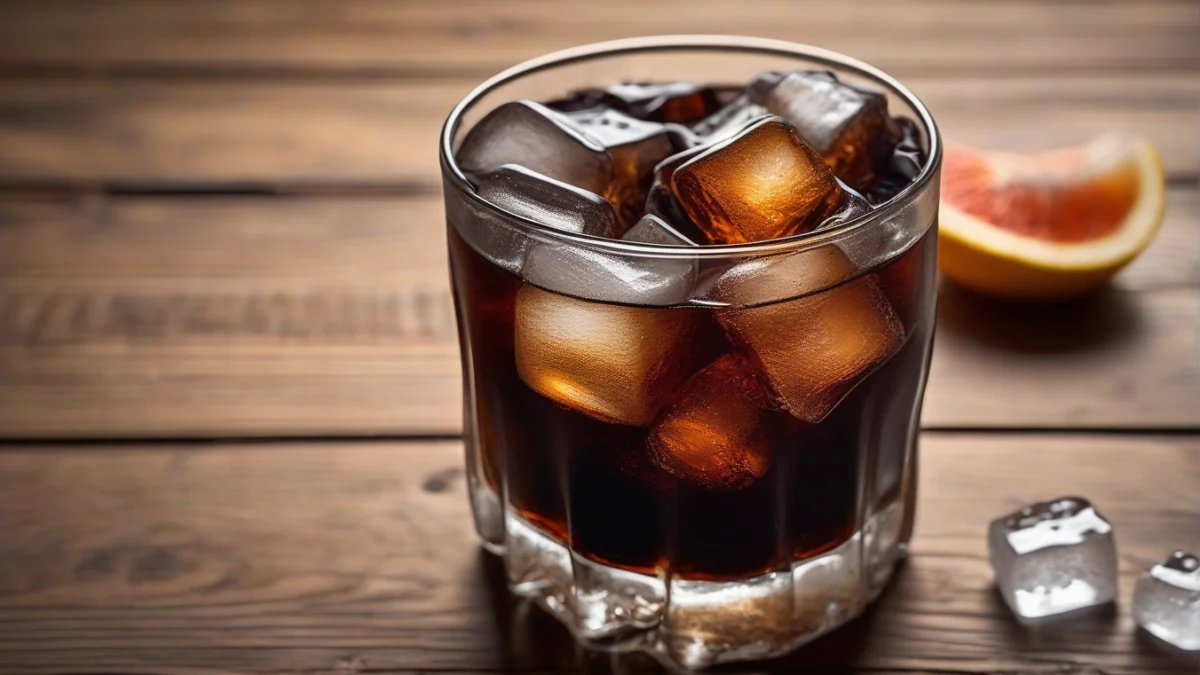
In contrast, Coke Zero aims to mimic the classic Coca-Cola flavor as closely as possible but without any sugar or calories. It has a richer and smoother taste that many find closer to the original Coke experience, making it a good choice for those who want a familiar soda flavor without the sugar.
Choosing between Diet Coke and Coke Zero depends on your taste preference and how you plan to enjoy the drink. Diet Coke’s bright, citrusy notes pair well with light meals or as a casual, refreshing sip on their own. It also works nicely with flavored spirits or mixers that complement its zest.
Coke Zero’s deeper, classic cola flavor makes it better suited for mixing with stronger spirits or enjoying alongside richer, savory meals. Its smooth profile can balance out heartier foods without clashing.