You know that feeling. You wake up, your joints ache a little more than they should, or your skin looks dull, and you just feel puffy. That is chronic inflammation. It’s the body’s alarm system stuck in the ‘on’ position. While a healthy diet won’t cure everything, the right foods can turn down the volume. Cranberries are one of the best tools for this job, and most people only drink them when they have a urinary tract infection.
This article focuses on cranberry juice as the star ingredient. You’ll learn the specific science behind why it works, get five smoothie recipes that actually taste good, and understand how to prep them for a busy week. No vague advice, just practical steps and real numbers.
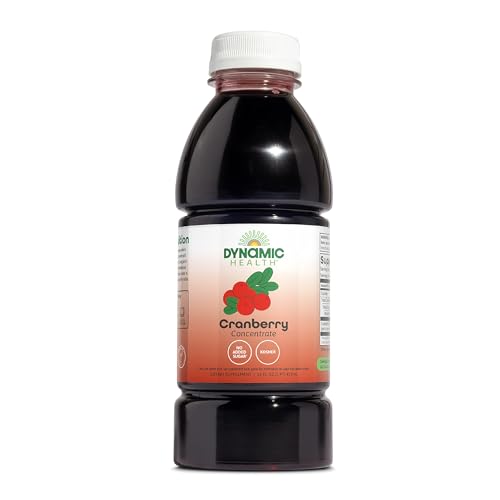
Dynamic Health
DYNAMIC HEALTH 100% Cranberry Juice Concentrate, 16…
- POTENT ANTIOXIDANT. Cranberries contain nutrients like vitamins C and E, plus the added power of the antioxidant quercetin. Antiox…
- COUNT ON CRANBERRY. You’ve probably heard that cranberries are great for urinary tract health. That’s because of proanthocyanidins…
- NO ADDED SUGAR. Our Cranberry Juice Concentrate is made without sweeteners or added sugar. It’s also Vegetarian, Gluten-Free, BPA-…
For these recipes, I use a concentrated juice rather than the bottled cocktail you find in the soda aisle. A product like Dynamic Health 100% Cranberry Juice Concentrate packs about 4,000 cranberries per bottle with no added sugar. That concentration gives you the polyphenols without the sugar spike that defeats the purpose. You control how tart or sweet the final smoothie is because you control the pour.

Why Cranberry Juice is a Powerhouse for Fighting Inflammation
Cranberries are not just a generic ‘berry.’ They contain a unique class of compounds called proanthocyanidins (PACs). These are the same molecules that stop bacteria from sticking to your bladder wall, which is why cranberry juice helps with urinary tract health.
Here is the anti-inflammatory connection: PACs also inhibit the activity of the NLRP3 inflammasome. That is a multi-protein complex inside your cells that acts like a fire alarm for the immune system. When activated, it triggers the release of interleukins (IL-1β and IL-18), which are chemical messengers that drive systemic inflammation. By blocking this specific pathway, cranberry PACs can help reduce the chronic low-grade inflammation linked to heart disease, arthritis, and metabolic syndrome.
You also get a solid dose of quercetin, a flavonoid antioxidant that scavenges free radicals. Free radicals are unstable molecules that damage cell membranes and DNA, which triggers more inflammation. Quercetin helps neutralize them. One study showed that consuming cranberry juice daily for eight weeks significantly reduced markers of oxidative stress in adults with metabolic syndrome. This isn’t just folklore; it’s biochemistry.
The 5 Golden Rules for the Perfect Anti-Inflammatory Smoothie
Before you start blending, keep these rules in mind. They make the difference between a medicine-like sludge and a smoothie you actually crave.
- Fat is your friend. Many anti-inflammatory compounds (like turmeric’s curcumin and the vitamins in greens) are fat-soluble. Add a source of healthy fat—chia seeds, flaxseed, or avocado—to help your body absorb them. A smoothie without fat is a wasted opportunity.
- Balance the tartness with fruit, not sugar. Cranberry juice is aggressively sour. Use a ripe banana or a few dates to sweeten it. These add fiber and potassium, which also help with blood pressure. Do not use honey or maple syrup; you want the fiber to slow sugar absorption.
- Use frozen fruit for texture. Frozen berries or banana give you that thick, milkshake-like consistency without needing ice cubes. Ice dilutes the flavor. Frozen fruit makes it creamy.
- Blend greens into the liquid first. If you are adding spinach or kale, blend it with the cranberry juice alone for 20 seconds. This ensures the leaves are fully pulverized before you add the heavier ingredients. No one wants a stringy piece of kale stuck in their straw.
- Spices need heat or time. Ground turmeric and ginger are potent, but their flavors bloom when they sit. Let the smoothie rest for 5 minutes after blending, or use a high-speed blender that generates a little heat. It makes a noticeable difference in taste.
1. The Classic Tart Cherry-Cranberry Blast
This is the recipe for beginners. It uses tart cherry juice, which is another anti-inflammatory powerhouse, to soften the cranberry’s bite.
- 1 cup unsweetened cranberry juice (or 2 tbsp concentrate + 1 cup water)
- 1/2 cup tart cherry juice (unsweetened)
- 1 cup frozen blueberries
- 1/2 banana
- 1 tbsp chia seeds
- 1/2 inch fresh ginger, peeled
Combine everything in a blender. Blend on high for 45 seconds. The result is deep purple, thick, and slightly sweet.
Why it works (NLRP3 inflammasome inhibition)
This combination hits the NLRP3 pathway from two angles. The cranberry PACs block the initial activation signal. Tart cherries contain anthocyanins, which have been shown to reduce uric acid levels—a common trigger for gout and joint inflammation. The ginger adds a mild COX-2 inhibitory effect, similar to how ibuprofen works, but without the stomach damage. This is your morning recovery drink after a hard workout.
2. The Tropical Turmeric-Cranberry Glow
Turmeric is the gold standard for inflammation, but it tastes like dirt if you use too much. This recipe uses pineapple and mango to mask the earthiness.
- 1 cup cranberry juice
- 1 cup frozen mango chunks
- 1/2 cup frozen pineapple
- 1 tsp ground turmeric
- 1/4 tsp ground black pepper
- 1 tbsp flaxseed
- 1/2 cup coconut water (for electrolytes)
Blend until smooth. The tropical fruit does the heavy lifting on flavor.
The Black Pepper Activation Trick
Turmeric’s active compound, curcumin, has notoriously poor bioavailability on its own. Your liver rapidly metabolizes it and flushes it out. Piperine, the compound in black pepper, inhibits those metabolic enzymes. Studies show that adding just 1/4 teaspoon of black pepper can increase curcumin absorption by up to 2026%. That is not a typo. A pinch of pepper makes the turmeric ten times more effective. Do not skip it. The pepper flavor is undetectable under the mango.
3. The Green Ginger-Cranberry Cleanser
This one is less sweet and more of a detox-style green smoothie. It is packed with leafy greens and a serious ginger kick.
- 1 cup cranberry juice
- 2 large handfuls of spinach (about 2 cups)
- 1 celery stalk, chopped
- 1/2 cucumber, peeled
- 1 inch fresh ginger, peeled
- 1/2 green apple (for sweetness)
- 1 tbsp hemp hearts or flaxseed
- Juice of 1/2 lime
Blend the cranberry juice and spinach first. Then add the rest and blend for 60 seconds. This is your afternoon pick-me-up.
Balancing the Tartness without Sugar
Green smoothies often taste like lawn clippings. The cranberry makes it worse. Here is the trick: use a green apple. It has a high malic acid content that provides a perceived sweetness without a massive sugar load. The lime juice also cuts the bitterness of the greens and brightens the entire drink. If it is still too tart, add half a date. Dates are high in fiber, so they don’t spike blood sugar like table sugar does. One date is usually enough.
4. The Chocolate-Cranberry Antioxidant Shake
Yes, chocolate and cranberry work. This tastes like a dessert but functions like a supplement stack.
- 1 cup cranberry juice
- 1 tbsp unsweetened cacao powder
- 1/2 avocado (for creaminess and fat)
- 1 cup frozen cherries or raspberries
- 1 scoop vanilla or chocolate protein powder (optional)
- 1 tbsp almond butter
- Dash of cinnamon
Blend until completely smooth. The avocado makes it silky.
Why Cacao and Cranberry are a Dynamic Duo
Cacao is one of the highest natural sources of flavanols, specifically epicatechin. These compounds improve blood vessel function and reduce platelet aggregation (blood stickiness). Cranberry’s PACs work on the same endothelial lining. Together, they provide a broad-spectrum antioxidant effect that supports cardiovascular health. The fat from the avocado and almond butter ensures the flavanols are absorbed properly. This is the best-tasting way to get your polyphenols.
5. The Spiced Pear-Cranberry Comfort Smoothie
This is a fall-inspired recipe that tastes like a pie in a glass. It is warming, slightly spicy, and very soothing for the gut.
- 1 cup cranberry juice
- 1 ripe pear, cored (do not peel)
- 1/2 cup rolled oats (soaked for 10 minutes)
- 1/2 tsp ground cinnamon
- 1/4 tsp ground nutmeg
- 1 tbsp chia seeds
- 1 cup unsweetened almond milk
Soak the oats in the almond milk first. This makes them easier to digest and gives a smoother texture. Blend everything with the cranberry juice.
Warming Spices for Gut Health
Cinnamon and nutmeg are more than just flavor. Cinnamon has been shown to reduce fasting blood glucose and improve insulin sensitivity. Nutmeg contains myristicin, a compound with mild anti-inflammatory properties that can help with digestive discomfort. The pectin in the pear skin acts as a prebiotic, feeding the good bacteria in your gut. A healthy microbiome produces short-chain fatty acids, which are the primary fuel for colon cells and a key regulator of systemic inflammation.
How to Meal Prep These Smoothies for the Week
You will not make these fresh every morning. That is unrealistic. Here is the freezer pack method.
Take five mason jars or zip-top bags. For each recipe, place all the dry and frozen ingredients (fruit, greens, spices, chia seeds, oats) into the bag. Leave out the liquids (cranberry juice, water, milk) and the fresh ginger (it freezes poorly).
In the morning, dump the bag into the blender, add the cranberry juice and liquid, and blend for 60 seconds. Each pack takes about 2 minutes to assemble. They last in the freezer for up to 3 months. This is the only way I manage to drink a smoothie on a Tuesday. If you are short on time, a mini personal blender with a travel cup makes the cleanup faster.
Important Safety Considerations (Who Should Skip This)
Cranberry juice is safe for most people, but it is not for everyone. Be honest with yourself here.
- Blood thinners (Warfarin): Cranberries are high in vitamin K, which is a clotting factor. If you take Warfarin or Coumadin, drinking large amounts of cranberry juice can interfere with your INR levels. You need to talk to your doctor before making this a daily habit.
- Kidney stones: Cranberries are high in oxalates. If you have a history of calcium oxalate kidney stones, concentrated cranberry juice may increase your risk. You should avoid the concentrate and stick to small amounts of diluted juice.
- Acid reflux: Cranberry juice is highly acidic (pH around 2.5). If you have severe GERD, drinking this on an empty stomach will burn. Pair it with a meal or use the concentrate in a larger volume of water.
For everyone else, one to two cups of diluted juice per day is a reasonable amount. More is not better; you are still getting natural sugars.
Frequently Asked Questions (Fresh vs. Bottled, Substitutes)
Is fresh cranberry juice better than bottled?
Fresh juice has a brighter flavor and slightly higher vitamin C, but the PAC content is similar. The issue is that fresh cranberries are nearly impossible to juice at home without a heavy-duty masticating juicer. Bottled concentrates like the Dynamic Health one are flash-pasteurized, which preserves the polyphenols. Do not buy ‘cranberry juice cocktail’—that is mostly sugar water. Look for 100% juice or concentrate. This cranberry juice vs cocktail guide explains the difference in detail.
Can I use dried cranberries instead?
No. Dried cranberries are almost always sweetened with apple juice or sugar to offset the tartness. They also lose most of their water-soluble vitamins during the drying process. You are better off using the juice or frozen whole berries. If you must use dried, look for ones sweetened only with apple juice and use half the amount.
What is the best substitute for cranberry juice?
Pomegranate juice is the closest match in terms of polyphenol content and tartness. It has a similar astringent profile. Tart cherry juice is also good, but it is sweeter and lower in PACs. If you are out of cranberry, use pomegranate in a 1:1 ratio. You will not notice a huge difference in these recipes.
How much cranberry juice should I drink per day?
For anti-inflammatory benefits, 8 to 12 ounces of 100% juice (or 1-2 tablespoons of concentrate diluted in water) is the effective range used in most studies. Drinking a gallon a day will not give you more benefit; it will just give you diarrhea. Moderation is key.
Can I use cranberry sauce in a smoothie?
Please do not. Canned cranberry sauce is loaded with high-fructose corn syrup and has almost no active PACs left after the cooking process. It defeats the entire purpose. If you have fresh or frozen cranberries, toss them in raw. They will blend fine and add a serious tart kick.
Final Thoughts: Your Anti-Inflammatory Journey
You have the recipes and the science. The rest is just consistency. Start with the Tart Cherry-Cranberry Blast because it is the easiest to drink. Once you get used to the tartness, move to the Green Ginger Cleanser.
- Use a concentrate or 100% juice—never cocktail.
- Always add a fat source (chia, flax, avocado) for nutrient absorption.
- Sweeten with fruit or dates, not sugar.
- Add black pepper to any turmeric recipe to boost absorption by 2026%.
- Prep freezer packs on Sunday to make mornings effortless.
- Skip this if you take blood thinners or have oxalate kidney stones.
- Drink 8–12 ounces daily for best results.
Your joints and your gut will thank you in about two weeks. It takes that long to notice the difference. For more ideas on mixing fruits, check out this guide on fruits that pair well with cranberry.


