You can make fresh cranberry juice for urinary tract health at home in about 15 minutes, yielding 4 cups. This homemade juice uses cranberry concentrate and simple ingredients to avoid added sugars and provide potent antioxidants.
Cranberry juice is widely used to support urinary tract health because of compounds that may help reduce infection risk. Making it at home lets you control sugar and additives that can cause unwanted side effects.
Many people add too much sweetener or use store-bought blends with little real cranberry, which can spike blood sugar or irritate sensitive stomachs. This recipe avoids those mistakes.
What to remember
Use unsweetened cranberry juice concentrate to get health benefits without added sugar.
Dilute concentrate with water and add natural sweeteners sparingly to avoid sugar spikes.
Store homemade juice in the fridge and consume within 3 days for safety and freshness.
Adjust sweetness or dilute more if you have kidney concerns or a sensitive stomach.
Avoid unpasteurized juices if pregnant, very young, or immunocompromised.
Cranberry Juice Recipe for Urinary Tract Health
You can make effective cranberry juice for urinary tract health at home using 100% cranberry juice concentrate without added sugar. Dilute about 3 ounces of concentrate with 1 quart (4 cups) of water and add a small amount of natural sweetener if needed for taste.
Freshly made cranberry juice diluted from concentrate for urinary health.
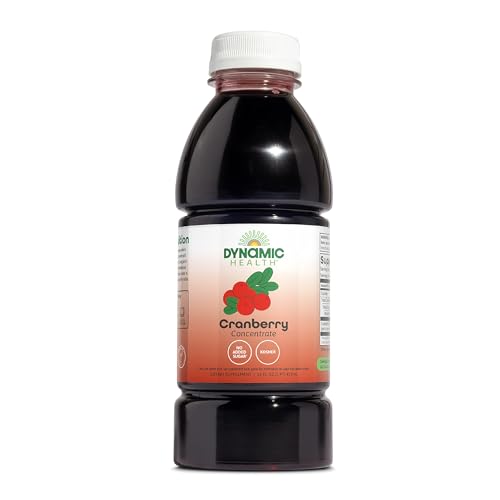
Start with pure cranberry juice concentrate, such as Dynamic Health 100% Cranberry Juice Concentrate, which contains no added sugars or fillers. This keeps the sugar content low and preserves the antioxidants and proanthocyanidins that support urinary tract health.
Avoid commercial cranberry juices that often contain added sugars. Excess sugar can spike blood sugar levels and feed bacteria, potentially worsening urinary symptoms. Making your own juice lets you control sweetness and keeps sugar intake minimal.
1
Measure concentrate
Use about 3 ounces (6 tablespoons) of pure cranberry juice concentrate for 4 cups of juice.
2
Add water
Dilute the concentrate with 4 cups of cold water to make the juice palatable and safe for daily intake.
3
Sweeten if desired
Add a small amount of natural sweetener like stevia or a teaspoon of honey if you find the juice too tart, but keep it minimal.
4
Mix and chill
Stir well and refrigerate before drinking for best flavor.
Choose pure concentrate
DYNAMIC HEALTH 100% Cranberry Juice Concentrate
Using a 100% cranberry juice concentrate without added sugar ensures you get the antioxidant benefits without extra calories or sugar spikes.
You can also make cranberry juice from dried cranberries by soaking about ½ cup of unsweetened dried cranberries in 2 cups of hot water for 10 minutes, then straining and diluting with additional water to taste. This homemade version lacks the concentrated antioxidants but is a natural alternative.
Sugar and urinary health
High sugar intake can promote bacterial growth in the urinary tract and increase infection risk. Stick to low-sugar recipes to avoid this.
Sweetness control
If your urine smells strong or you experience bladder irritation, try cutting back on sweeteners or diluting the juice more.
What You’ll Need to Make This Juice
Simple ingredients and basic equipment
No sugar added
Dynamic Health 100% Cranberry Juice Concentrate
This concentrate provides a strong dose of proanthocyanidins from about 4,000 cranberries per bottle, supporting urinary tract health without added sugars. It’s made from 100% organic cranberries with no fillers, so you get pure juice to mix at home.
You can adjust your cranberry juice recipe to fit your sugar control, stomach sensitivity, or kidney health needs by changing sweetener amounts, dilution, and ingredients. These tweaks will affect taste and benefits but help you stay comfortable and safe.
Adjusting dilution and sweetener amounts to fit individual health needs.
To lower sugar, reduce or skip added sweeteners and consider sugar substitutes like stevia or monk fruit. They add sweetness without raising blood sugar, which is important if you have diabetes or are watching sugar.
For a gentler drink on your stomach, dilute the juice more with extra water and avoid adding citrus like lemon or lime, which can irritate sensitive digestive systems. More dilution reduces acidity but also reduces cranberry compounds per serving.
Kidney-friendly cranberry juice recipes limit potassium-rich additives such as orange juice or high-potassium sweeteners. If you have kidney disease, smaller portions help keep potassium intake safe while still enjoying some urinary health benefits.
Dilution trade-off
More dilution makes the juice easier on your stomach but lowers the cranberry antioxidant concentration, so balance your comfort with your health goals.
Adjusting cranberry juice safely
Use sugar substitutes or reduce sweetener for blood sugar control
Dilute more to reduce acidity if you have stomach sensitivity
Avoid citrus additions if prone to reflux or irritation
Limit potassium-rich ingredients if you have kidney disease
Reduce serving size if advised by your healthcare provider
If using dried cranberries, steep them longer or add less for a lighter taste, adjusting sweetness and acidity similarly. Recipes with cranberry juice concentrate or dried cranberries can both be tailored to your needs, just watch the total sugar and portion size.
Adjusting your juice this way helps you continue to support urinary tract health without causing side effects or nutritional issues. If you have complex health concerns, discuss your recipe changes with your healthcare team.
Common Mistakes That Ruin Cranberry Juice for Urinary Health
Using cranberry juice in recipes is fine, but avoid adding it to drinks or dishes that require high heat or prolonged cooking, as this can destroy the antioxidants that support urinary health.
A common mistake is adding too much sugar to cranberry juice. Excess sugar can feed harmful bacteria, potentially worsening urinary symptoms and negating the juice’s benefits. Aim to keep added sugars under about 10 grams per 8 oz serving to maintain effectiveness and reduce side effects.
Unpasteurized Juice Risk
Using unpasteurized cranberry juice risks bacterial contamination, which is unsafe especially for older adults, pregnant people, and those with weakened immune systems. Always choose pasteurized juice to avoid infection.
Neglecting proper storage shortens cranberry juice’s shelf life and safety. Keep refrigerated and sealed tightly, and consume within 7 days of opening. If you see cloudiness, off-smells, or bubbles, discard the juice to avoid stomach upset or infection.
Diluting cranberry juice too little or not at all can cause stomach irritation and acid reflux, especially if you have sensitive digestion. Use about 1 part juice to 2 or 3 parts water or unsweetened tea to reduce acidity and improve tolerance.
Avoid These Common Errors
Add no more than 10 g sugar per 8 oz serving
Use only pasteurized cranberry juice
Store juice refrigerated and sealed
Consume juice within 7 days of opening
Dilute juice with water or tea before drinking
Myth
More concentrated cranberry juice is always better for urinary health
Fact
Highly concentrated or undiluted juice can irritate the stomach and does not necessarily increase urinary benefits. Dilution helps balance effectiveness with comfort.
Recipes using cranberry juice should add it near the end of cooking or use it cold to preserve its active compounds. For example, mix cranberry juice into smoothies or chilled fruit salads rather than simmering it for long periods.
If you’ve already drunk cranberry juice and experience stomach discomfort, try diluting future servings more or drinking it alongside food to ease irritation.
Can I use dried cranberries to make cranberry juice at home?
Dried cranberries are not ideal for making juice because they often contain added sugars and preservatives. They also lack the fresh juice’s natural liquid content, so extracting juice would require extra water and straining, which dilutes the antioxidant concentration important for urinary health.
How much cranberry juice should I drink daily for urinary tract health?
About 8 to 16 ounces (1 to 2 cups) of pure cranberry juice or its equivalent in concentrate daily is commonly recommended to support urinary tract health. Drinking this amount regularly provides enough of the active compounds thought to help prevent bacterial adherence in the urinary tract.
Is cranberry juice safe for people with kidney disease?
People with kidney disease should be cautious because cranberry juice contains potassium and oxalates, which may need to be limited depending on the stage of kidney impairment. It’s best to check with your healthcare provider before adding cranberry juice to your diet if you have kidney concerns.
Can cranberry juice cause stomach upset?
Cranberry juice’s acidity can irritate sensitive stomachs or worsen reflux symptoms in some people. Diluting the juice with water or reducing the daily amount can help minimize stomach discomfort while still providing urinary health benefits.
What is the best way to store homemade cranberry juice?
Store homemade cranberry juice in a clean, airtight container in the refrigerator and consume it within 3 to 5 days for best freshness and potency. Avoid leaving it at room temperature to prevent spoilage and loss of antioxidant activity.
Does adding sugar affect the effectiveness of cranberry juice for UTIs?
Adding sugar does not enhance the urinary health benefits and can potentially promote bacterial growth. Keeping your cranberry juice unsweetened or lightly sweetened with alternatives helps preserve its effectiveness and supports overall urinary tract health.
Can children drink homemade cranberry juice for urinary health?
Children can have small amounts of homemade cranberry juice, about 4 to 6 ounces daily, but it should be diluted to reduce acidity and avoid stomach upset. Always consult your pediatrician before giving cranberry juice regularly to children, especially if they have underlying health issues.