Many people turn to coconut water or Gatorade for hydration, especially during workouts or hot days. Both contain electrolytes but differ in sugar, calories, acidity, and cost.
Understanding these differences helps you pick the drink that fits your health goals, activity level, and taste preferences.
Coconut Water vs Gatorade at a Glance
| Factor | Coconut Water | Gatorade |
|---|---|---|
| Sugar and Calories | About 6 g sugar and 60 calories per 11 oz | About 21 g sugar and 80 calories per 12 oz |
| Caffeine Content | No caffeine | No caffeine |
| Acidity and Stomach Comfort | Mildly acidic, pH around 5 to 5.5, gentle on stomach | More acidic, may irritate sensitive stomachs |
| Electrolytes and Hydration | About 600 mg potassium and 45 mg sodium per serving | Higher sodium and potassium, plus carbohydrates for energy |
| Nutrients Beyond Electrolytes | Contains small amounts of vitamin C and B vitamins naturally | No added vitamins beyond electrolytes and carbs |
| Cost Per Serving | Usually costs more per bottle | Usually less expensive per bottle |
| Taste and Best Uses | Mildly sweet, nutty, tropical flavor, good for casual hydration | Sweeter, fruit punch flavors, designed for active hydration |
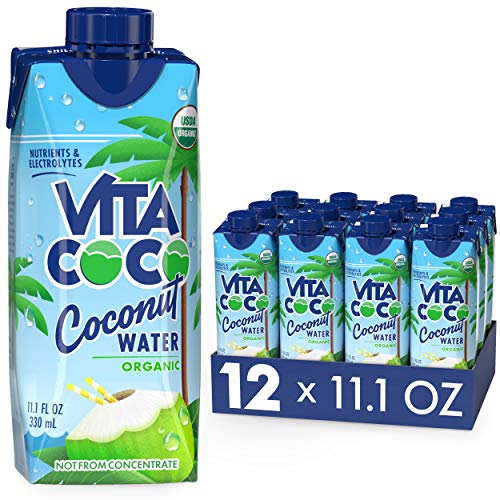
Vita Coco Organic Coconut Water, Original

Gatorade Thirst Quencher Variety Pack
Check the Label for Added Sugar and Calories
Coconut water is naturally lower in sugar and calories than Gatorade, making it a gentler hydration choice if you’re watching your intake. A typical 11.1 oz bottle of coconut water contains about 60 calories and 6 to 7 grams of natural sugar, without added sweeteners. Brands like Aldi’s coconut water generally follow this pattern, offering a light, subtly sweet drink that fits well into a lower-calorie diet.

By contrast, a 12 oz bottle of Gatorade holds roughly 80 calories and about 21 grams of sugar, mostly from added sources. This higher sugar content helps replenish energy and electrolytes quickly during prolonged or intense exercise but can be too much for casual hydration or those managing blood sugar levels.
Coconut water’s natural sugars come with fewer calories, which may help avoid blood sugar spikes and excess calorie intake. Gatorade’s added sugars provide fast fuel but can contribute to extra calories if you drink it outside vigorous activity. Checking the nutrition label for sugar and calorie counts can guide you to the better choice for your hydration needs.
| Drink | Serving Size | Sugar (g) | Calories |
|---|---|---|---|
| Coconut Water | 11.1 oz bottle | 6 to 7 | 60 |
| Gatorade | 12 oz bottle | 21 | 80 |
Understand Caffeine Content and Its Effects
Coconut water contains no caffeine, while Gatorade also has none. This means neither drink contributes to your daily caffeine intake or causes caffeine-related effects such as jitteriness or sleep disruption.
If you wonder, “does coconut water have caffeine?” or “does Gatorade have caffeine?”, the answer is no for both. They hydrate without stimulating effects, making them suitable options for people who need to limit caffeine intake.
Choosing either drink won’t interfere with sleep or cause caffeine-related jitters. This makes them reliable hydration choices for all ages and health conditions when caffeine avoidance is important.
Consider Acidity and Comfort for Your Stomach
Coconut water has a near-neutral pH around 5 to 5.5, making it mildly acidic but usually gentle on the stomach. Its subtle acidity doesn’t typically cause the sour or sharp sensation some drinks do. That means it’s less likely to irritate sensitive digestion or trigger reflux symptoms.
Gatorade is more acidic, with a pH near 3, which can aggravate an already sensitive stomach or worsen acid reflux. The sourness comes from its added citric acid and flavoring ingredients, which boost acidity and can sting an irritated esophagus or stomach lining.
If you have acid reflux or a history of stomach discomfort, coconut water is the safer choice to reduce irritation. It hydrates without adding a harsh acidic load that might prompt heartburn or nausea.
If you’ve already had Gatorade and felt some stomach upset, switching to coconut water can soothe your digestion. Drinking smaller amounts slowly rather than gulping may also help.
Compare Electrolytes and Hydration Benefits
Gatorade contains higher amounts of sodium and potassium than coconut water, which helps replace electrolytes lost through sweat more quickly. Coconut water offers electrolytes too but in smaller amounts, making it gentler for light hydration needs.
Gatorade contains more sodium, about 270 mg per 12 oz, and less potassium, roughly 75 mg, designed to replace the minerals lost in sweat during intense or long workouts. The higher sodium helps the body retain fluid and restore electrolyte balance faster.
For everyday hydration or light activity, coconut water’s natural electrolytes usually suffice. It offers a potassium boost without the added sodium, which some people want to limit.
If you’re doing intense exercise lasting an hour or more, or sweating heavily, Gatorade’s electrolyte profile supports faster and more complete replacement. Its carbohydrates also provide energy during prolonged activity.
| Drink | Potassium (mg) | Sodium (mg) |
|---|---|---|
| Coconut Water (11 oz) | 600 | 45 |
| Gatorade (12 oz) | 75 | 270 |
If cramps bother you and your activity isn’t too intense, coconut water can be a gentle remedy. But for heavy sweating and endurance sports, Gatorade better replaces what you lose.
Look at Nutrients Beyond Electrolytes
Coconut water supplies small amounts of vitamin C and B vitamins naturally, but it contains no added vitamins. These nutrients contribute modestly to your daily intake without a significant calorie load.
Gatorade typically contains no significant vitamins or minerals beyond its core electrolytes and carbohydrates. Its focus is on rapid replenishment of sodium, potassium, and energy during intense activity rather than broader nutrition.
Coconut water offers a more natural nutrient profile with trace vitamins, while Gatorade emphasizes electrolyte and carbohydrate replacement tailored to exercise recovery. This difference might matter if you prefer a more whole-food–based option.
Evaluate Cost Per Serving for Regular Use
Coconut water typically costs more per serving than Gatorade, partly due to its natural sourcing and packaging. If you drink sports drinks regularly, Gatorade tends to be the more economical choice for electrolyte replacement.
Prices vary by brand and retailer. For example, Aldi and Costco offer coconut water in bulk packs that may bring the per-bottle price closer to that of Gatorade, helping if you drink it regularly.
Gatorade prices are generally lower and more consistent across stores, making it a cost-effective choice for frequent consumption during sports or long workouts. Cheaper brands of both drinks exist but check labels for added sugars or artificial ingredients.
Taste and Best Uses for Each Drink
Coconut water has a mildly sweet, nutty flavor with a tropical feel that many find refreshing on its own. It also blends well with fruit juices like pineapple or mango for a light, natural beverage mix.
Gatorade provides a sweeter taste, often fruit punch or berry flavored, designed specifically to be thirst-quenching and energizing during physical activity.
Use coconut water for casual hydration, light exercise, or as a mixer in smoothies and cocktails. Its natural electrolytes and gentle taste make it a good choice when you want something less sweet.
Gatorade fits best during or after intense workouts or sports where quick energy and electrolyte replacement are needed. Its higher sugar and sodium content help replenish what you lose through sweat faster than coconut water.