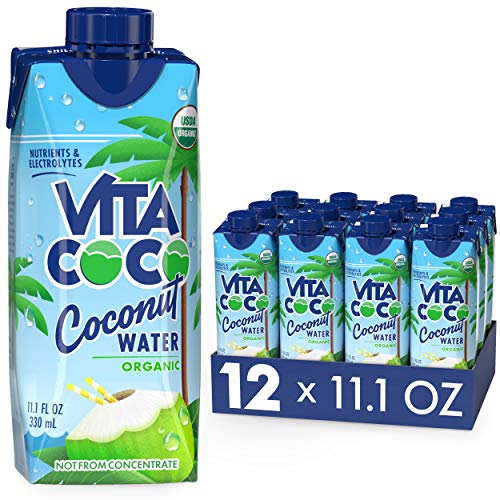
Coconut water is popular for hydration and electrolyte replenishment but contains a significant amount of potassium, a mineral kidney patients must carefully monitor. Understanding how much potassium is safe depends on your kidney function stage.
This article breaks down the potassium content in coconut water, its effects on kidney health, safe consumption limits by CKD stage, and safer drink alternatives.
Coconut Water Potassium Kidney: What You Need to Know
Coconut water contains a high amount of potassium, about 400 to 600 mg per 8 oz (240 ml) serving, which poses risks for people with kidney disease. Potassium levels can build up when kidneys cannot filter it properly, increasing the chance of dangerous heart rhythms. At the same time, coconut water provides electrolytes like sodium and magnesium and natural hydration benefits. Understanding your kidney function stage helps decide how much, if any, coconut water is safe to drink.

Potassium helps control your heart rhythm and fluid levels. Damaged kidneys may not clear potassium well, causing it to rise and lead to hyperkalemia, which risks abnormal heart rhythms and fluid buildup.
If you have CKD stage 4 or 5, drinking coconut water is generally unsafe because your kidneys can’t handle the potassium load. These stages require strict potassium restriction to avoid life-threatening complications.
In earlier CKD stages (1 to 3), some people may tolerate small amounts of coconut water, around 4 oz (half a cup) daily, but only with close medical supervision. Always check with your doctor before adding it to your diet.
Be aware that boxed coconut water products, such as those sold at Aldi, often contain added sodium and preservatives, which may further complicate kidney health by increasing sodium intake. Sodium can worsen fluid retention and blood pressure control in CKD.
| Product | Potassium Content (mg per cup) |
|---|---|
| Aldi Coconut Water | Approximately 400-450 |
| Organic Coconut Water (typical) | About 396-600 |
Does Aldi coconut water contain potassium? Yes, it does, usually around 400 to 450 mg per cup, similar to other brands but often with added sodium. Organic coconut water typically contains between 396 and 600 mg per cup depending on the source and processing.
Safe Coconut Water Amounts by Kidney Disease Stage
People with early-stage CKD (stage 1 or 2) may be able to consume small amounts of coconut water, such as 4 to 8 oz once a day, but only under medical supervision. As kidney function declines in stages 3 to 5, potassium restrictions become stricter. Stage 3 patients should limit intake and consult their healthcare provider first. In stages 4 and 5, and for those on dialysis, coconut water is generally not recommended due to the high potassium content and risk of hyperkalemia.
For CKD stages 1 and 2, your kidneys usually manage potassium well, so up to 4 oz (half a cup) of coconut water daily might be safe with your care team’s approval. This small amount helps hydration without overloading potassium.
At stage 3 CKD, potassium processing becomes less efficient, so you should limit coconut water intake and discuss it closely with your nephrologist or dietitian. Monitoring blood potassium regularly is important here.
In stages 4 and 5 CKD and for those on dialysis, coconut water should be avoided entirely due to the risk of hyperkalemia. Dialysis patients have strict potassium restrictions because excess potassium can rapidly cause dangerous heart problems.
| CKD Stage | Coconut Water Safety | Recommended Max Daily Amount |
|---|---|---|
| 1-2 | Generally safe with supervision | Up to 4 oz (120 ml) |
| 3 | Limit intake, consult care team | Less than 4 oz, individualized |
| 4-5 and Dialysis | Avoid completely | 0 oz |
How does coconut water potassium compare to a banana? A medium banana has about 422 mg of potassium, similar to 4 oz of coconut water, so both should be limited similarly in CKD patients.
Does Costco’s organic coconut water differ? It generally contains potassium in the 400 to 600 mg range per cup, comparable to other brands, so the same stage-based limits apply.
Diluting coconut water with water lowers potassium concentration but should only be done after consulting a dietitian to ensure it fits your individual potassium and fluid restrictions.


Who Should Avoid or Limit Coconut Water Further
Individuals with advanced CKD, those on dialysis, or anyone advised to follow a low-potassium diet should avoid coconut water. The potassium content can cause dangerous electrolyte imbalances, leading to muscle weakness or irregular heartbeat. Also, people taking potassium-sparing diuretics or medications affecting potassium levels need to be extra cautious. If you have symptoms like numbness, chest discomfort, or palpitations after drinking coconut water, seek medical advice immediately.
Advanced CKD patients, especially those in stages 4 and 5, should avoid coconut water. Their reduced kidney function means potassium builds up easily, increasing cardiac risks. Even small amounts can be harmful without close medical supervision.
Healthy individuals with normal kidney function rarely face risks from coconut water’s potassium. Their kidneys maintain potassium balance well, making occasional consumption safe without causing kidney failure.
If you take potassium-sparing medications, such as certain diuretics or ACE inhibitors, your risk of high potassium increases with coconut water intake. These drugs reduce potassium elimination, so combining them with high-potassium drinks is unsafe.
Fluid restrictions common in kidney disease may also limit how much coconut water you can consume. Since coconut water adds fluid volume, it could contribute to fluid overload, especially if sodium content is high.
Be cautious with boxed or canned coconut water varieties. They often contain added sodium or preservatives, which can worsen fluid retention and strain your kidneys further.
Better Hydration Alternatives for Kidney Health
For kidney patients needing hydration without excess potassium, water remains the best choice. Other safe options include low-potassium electrolyte drinks and herbal teas without added potassium. Diluting coconut water with plain water can reduce potassium concentration, but this must be done carefully and with medical guidance. Avoid boxed or flavored coconut waters that may contain added sodium or preservatives, which can complicate kidney health.

Herbal teas without added potassium salts or caffeine provide flavorful hydration without the risk of potassium overload. They can be a good alternative if you want variety without risking your kidney health.
Certain fruit juices diluted with water, such as apple or cranberry juice, offer lower potassium content compared to coconut water. Dilution reduces potassium concentration, making them safer when consumed in controlled amounts.
Avoid high-potassium fruit juices like orange or grape juice, which can raise potassium levels quickly and are unsafe for advanced CKD patients.
Electrolyte drinks formulated specifically for kidney patients, containing little to no potassium or added sugars, help maintain electrolyte balance without adding strain to your kidneys.
When choosing coconut water alternatives, look for products labeled low sodium and low potassium to avoid fluid retention and hyperkalemia risks.
Always consult your healthcare team before adding new drinks to your routine. They can tailor advice based on your kidney function, medications, and fluid needs.
How to Monitor Potassium Levels When Drinking Coconut Water
Monitoring potassium levels regularly is essential if you consume coconut water with kidney disease. Your healthcare provider may recommend blood tests to track potassium and kidney function. Keep a food and drink log to help spot patterns related to symptoms. If you notice muscle weakness, irregular heartbeat, or numbness after drinking coconut water, contact your care team promptly to adjust your diet and treatment.
Regular blood tests are essential for anyone with chronic kidney disease (CKD) who consumes coconut water. They track potassium levels and help your care team adjust your diet safely.
Stop drinking coconut water immediately if you notice any symptoms of hyperkalemia and contact your doctor. Follow your care team’s advice closely on how much potassium you can safely consume.
Your care team knows your kidney function best and will help you balance hydration with safe potassium intake. If you are unsure about coconut water or your symptoms, ask them before making changes.
For safer hydration options with lower potassium, see our advice about the best drinks for kidney health to avoid unnecessary risk.