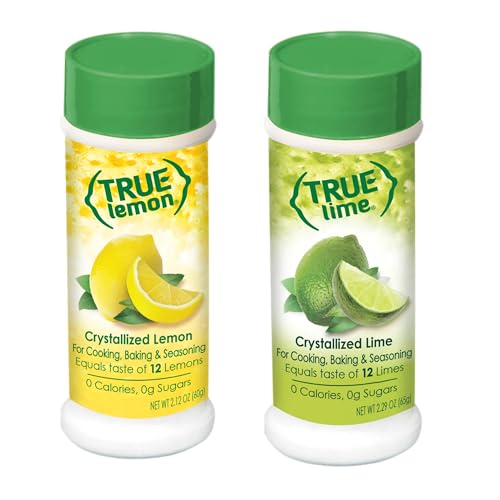
You’re in the kitchen, recipe in hand. It calls for lime juice, but you only have lemons. Or maybe you’re feeling creative and wonder what magic happens when you combine the two. Can you mix lemon and lime juice in recipes? Absolutely. It’s a fantastic way to build a more complex, vibrant citrus flavor.
Think of them as culinary cousins, not twins. Mixing them isn’t just a salvage operation for missing ingredients. It’s a deliberate technique to elevate your cooking. You can create a unique flavor profile that’s brighter, more rounded, and deeply interesting than using either alone. For consistent, easy juicing of both fruits, a tool like the KitchenAid Citrus Juice press can be a game-changer, saving you time and maximizing yield.

The Flavor Science: How Lemon and Lime Interact
At first glance, both juices bring a sour taste and high acidity in recipes. But their distinct personalities create harmony when blended. Lemon juice is often described as bright, straightforward, and sharply acidic. Lime juice tends to be more aromatic, with a slightly bitter, floral edge. When you combine them, the lemon’s punch is softened by the lime’s complexity, and the lime’s bitterness is mellowed by the lemon’s clarity.
The key player here is citric acid, the primary acid in both. However, they contain different volatile oils and aromatic compounds, especially in their zest. This citrus combination creates a layered sensory experience. Your taste buds perceive the initial sharpness, followed by a more nuanced, lingering aroma. Its the difference between a single note and a chord.
What Happens When You Mix Lemon and Lime Juice?
The result is a more balanced and versatile citrus juice. The acid balance shifts, which can be crucial in recipes where acidity controls chemical reactions, like in ceviche or when using buttermilk. The blended citrus flavor is less predictable than a single juice, which is exactly what makes it exciting for dressings, marinades, and cocktails. It answers the common question: does mixing lemon and lime change the flavor? Profoundly, and usually for the better.
Practical Applications: Best Recipes for a Citrus Blend
This lemon lime mix shines in specific culinary arenas. Its not just for margaritas. Cooking with citrus becomes an adventure when you harness the power of two.
Marinades and Dressings
This is where a citrus blend truly excels. The combined acids work synergistically to tenderize proteins more effectively. For a universal poultry or fish marinade, a great starting point is a 2:1 ratio (lemon:lime). You might experiment to find the best ratio for lemon and lime juice in marinade for your specific dish. The dual acidity also helps emulsify and brighten vinaigrettes, cutting through rich oils.
- Ceviche: The classic Peruvian dish often uses a blend. The acids “cook” the fish, and the dual citrus provides a depth that one juice alone can’t achieve.
- Asian-Inspired Dressings: Combine with soy sauce, ginger, and sesame oil for a vibrant, balanced dressing.
Dips and Spreads
Heres a common dilemma: can I use lemon instead of lime in guacamole? You can, but a blend is superior. Lime is traditional for its sharp, distinct punch. Lemon can sometimes taste one-dimensional here. Using mostly lime with a splash of lemon adds a subtle brightness without losing that authentic flavor. Start with a 3:1 lime-to-lemon ratio.
Beverages and Cocktails
From homemade lemon-lime soda to sophisticated cocktails, the blend is a bartender’s secret. It creates a more interesting non-alcoholic base and elevates classics like the gimlet or a citrus-forward mojito. The balance prevents one flavor from dominating the drink.
Pro Tips: Ratios, Substitutions, and Common Mistakes
Mastering the Ratio
There’s no single perfect rule, but these guidelines will steer you right:
| Application | Recommended Ratio (Lemon:Lime) | Why It Works |
|---|---|---|
| Marinades for Chicken/Fish | 2:1 | Lemon’s strong acid tenderizes; lime adds aromatic complexity. |
| Salad Dressings & Vinaigrettes | 1:1 | Creates a perfectly balanced, bright acidity. |
| Guacamole & Salsas | 1:3 | Preserves lime’s authentic flavor while adding lemon’s brightness. |
| Desserts & Curds | 3:1 | Lemon’s clear flavor dominates; lime adds a subtle, intriguing note. |
Smart Substitutions
The question of whether you can substitute lemon for lime (or vice versa) is common. In a pinch, a direct 1:1 swap will work in most recipes, but expect a flavor profile shift. For a closer match when substituting, add a bit of the other fruit’s zest. The zest carries the essential oils and true character of the fruit. Remember, when cooking with citrus, both zest and juice are powerful tools.
Errors to Avoid
- Using Bottled Juice Exclusively: Freshly squeezed juice is far superior in flavor and potency. Bottled juices often contain preservatives and lose their volatile aromatics.
- Ignoring the Zest: If a recipe calls for lime juice and you only have lemon, adding a little lime zest to lemon juice can bridge the gap beautifully.
- Overdoing It: Start with a conservative blend. You can always add more, but you can’t take it out. Taste as you go.
Health & Nutritional Considerations
Both juices are powerhouses of Vitamin C (ascorbic acid) and antioxidants. Mixing them doesn’t diminish these benefits; it may even provide a broader spectrum of phytonutrients. The citric acid content aids in nutrient absorption, like iron from plant-based foods.
An important, often overlooked entity is Ascorbic Acid stability. Vitamin C degrades with heat, light, and air. When you mix fresh juices, use the blend promptly to maximize its nutritional benefit. This acidity in recipes also plays a role in food preservation, inhibiting bacterial growth in homemade pickles or preserved lemons. For a deeper dive into the health aspects of juices, consider reading about the nutritional profiles of various healthy juices.
It’s worth noting that the high acidity can interact with other compounds. For instance, while exploring food-grade mixtures, you should know the potential reactions of mixing hydrogen peroxide and lemon juice for cleaning purposes. Similarly, if you’re into wellness shots, understanding how to properly mix chlorophyll with lemon juice can be useful.
pH and Preservation
For advanced applications like canning or pickling, pH is critical for safety. Both juices have similar pH levels (around 2.0-2.6), so blending them won’t drastically alter the overall acidity of a preserved product. However, for absolute precision in canning, it’s best to follow tested recipes that specify the type and amount of acidic ingredients.
So, can you mix lemon and lime juice? Not only can youyou should. Its a simple upgrade to your culinary toolkit. This citrus combination moves beyond mere substitution into the realm of intentional flavor crafting. Start with the suggested ratios, trust your palate, and dont be afraid to experiment. The next time a recipe calls for one, consider inviting its cousin to the party. Youll likely discover a new favorite flavor profile that makes your dishes sing.