Can You Refrigerate Protein Shakes Overnight? (Yes, Here’s How)
On this page 9 sections
- The Short Answer: Yes, But With Conditions
- The Science of an Overnight Protein Shake (Emulsions and Bacteria)
- How Long Is It Actually Safe? (A Clear Timeline)
- The Protein Type Matters: Whey vs. Casein vs. Plant-Based
- How to Store Your Shake for Maximum Freshness
- How to Tell If Your Shake Has Gone Bad (Signs to Look For)
- The Pros and Cons of Pre-Making Shakes
- Frequently Asked Questions
- The Verdict: Should You Do It?
You mix a shake, get one phone call, and suddenly 40 minutes pass. The powder has settled, the texture looks weird, and you wonder if it’s still safe. Or maybe you’re a meal-prepper who wants to batch three shakes on Sunday and grab one each morning. Both situations are common, and the advice you find online is all over the place.
Here’s the plain truth: you can refrigerate a protein shake overnight, and it will stay safe to drink. But the quality depends on the protein type, what else you mixed in, and how you store it. This guide walks through the food safety rules, the exact timeline for different scenarios, and the storage method that keeps your shake tasting fresh instead of gritty and separated.
You’ll leave with a clear plan, not guesswork.
If you’re going to make this a habit, a proper shaker bottle makes the difference between a quick rinse and a sticky mess. The Check price on Amazon has a leak-proof lid and a design that cleans out fast, which matters when you’re storing liquids overnight.
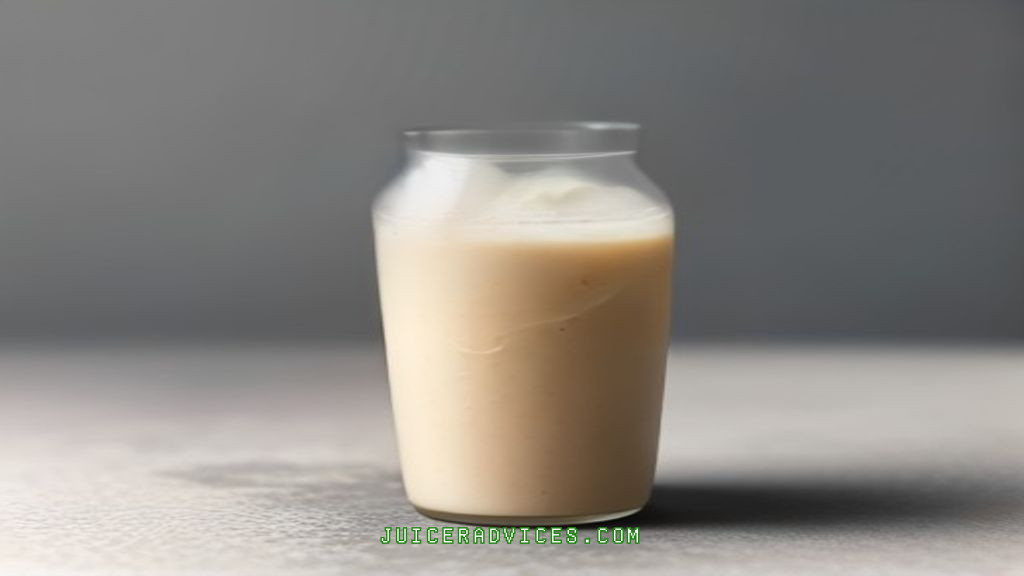
The Short Answer: Yes, But With Conditions
Refrigerating a protein shake for 8 to 12 hours is safe for most people. The fridge temperature should sit at or below 40°F (4°C). That’s the cutoff where bacteria growth slows to a near halt.
The conditions matter more than the time. A shake made with water and whey protein will last longer than one made with milk and blended fruit. The more perishable the ingredients, the shorter the safe window. You also need an airtight container. An open glass on a shelf will absorb fridge odors and dry out on top.
So yes, you can do it. But you need to know what you’re working with.
The Science of an Overnight Protein Shake (Emulsions and Bacteria)
Two things happen when you chill a protein shake. The texture changes, and the microbial risk changes. Both are predictable.
Why Shakes Separate in the Fridge
Protein powder in liquid forms an emulsion. That’s a fancy way of saying the protein particles are suspended in the water, and they don’t naturally mix. Commercial shakes use stabilizers like carrageenan or xanthan gum to keep everything uniform. Your homemade shake doesn’t have those.
In the fridge, the protein particles slowly clump together and sink. You’ll see a watery layer on top and a thick sludge at the bottom. This is normal. It’s not spoilage. A vigorous shake for 10 to 15 seconds will usually bring it back together. The texture won’t be as smooth as a fresh mix, but it’s fine.
One trick that works: blend your shake with a few ice cubes before refrigerating. The extra aeration creates a more stable emulsion that resists separation longer.
The Temperature Danger Zone Explained
Bacteria multiply fastest between 40°F and 140°F (4°C to 60°C). This is the temperature danger zone. Every minute your shake spends in that range, bacteria count climbs.
Here’s a practical rule: don’t leave a mixed shake out at room temperature for more than 2 hours. If the room is warm, over 90°F, cut that to 1 hour. After that window, the bacteria load has grown enough that refrigerating won’t reverse the damage. You’ve already lost the battle.
So the clock starts when you mix the powder with liquid, not when you put it in the fridge. If you mix at 8 AM, leave it on the counter until 9:30 AM, then refrigerate, that’s already 90 minutes of risk. The overnight storage only works if you chill it promptly.
How Long Is It Actually Safe? (A Clear Timeline)
Let’s break this down by what’s in the shake. The base ingredients determine the shelf life more than the protein powder itself.
| Shake Type | Fridge Life (Best Quality) | Fridge Life (Safe to Consume) | Key Risk Factor |
|---|---|---|---|
| Whey protein + water | 24 hours | 48 hours | Minimal; mainly texture loss |
| Whey protein + milk | 12 hours | 24 hours | Dairy spoilage bacteria |
| Casein protein + water | 24 hours | 48 hours | Thicker texture, more clumping |
| Plant-based protein + water | 12 hours | 24 hours | Grittier separation, faster breakdown |
| Any shake + fresh fruit | 8 hours | 24 hours | Fruit introduces natural sugars and enzymes |
| Any shake + nut butter or oats | 12 hours | 24 hours | Added fats go rancid faster |
The “best quality” window means the shake still tastes and feels close to fresh. After that, it’s safe but the texture degrades noticeably. The “safe to consume” window is the hard limit. Past 48 hours, even with water, you’re gambling.
One honest caveat: these timelines assume your fridge is actually at 40°F or lower. If you don’t have a thermometer in there, buy one. Most fridge dials are inaccurate.
 Home Juicing Starter KitMake fresh juice that tastes good, costs less and keeps safely: 40 recipes with exact amounts, a yield chart and a 4-week plan.40 juice, smoothie and shot recipesYield, storage and food-safety chartsCost, yield and shopping-list calculator (Excel)
The Protein Type Matters: Whey vs. Casein vs. Plant-Based
Not all protein powders behave the same in the cold.
Whey protein is the most forgiving. It’s a fast-absorbing protein that mixes well and holds up in the fridge for about a day. The separation is cosmetic. A quick shake fixes it. Whey concentrate tends to clump more than whey isolate because isolate has less lactose and fat.
Casein protein is the opposite. It’s a slow-digesting protein that forms a thicker, almost pudding-like texture when chilled. Some people like this. It’s actually a popular pre-bed snack. But if you’re expecting a thin shake, you’ll be surprised. Casein also clumps harder, so you’ll need a stronger shake or a blender ball to re-mix it.
Plant-based proteins, like pea, soy, or rice, are the trickiest. They don’t emulsify as well as dairy proteins. You’ll see more separation and a grittier mouthfeel after just a few hours. They also tend to have a stronger earthy flavor that intensifies in the fridge. If you’re using plant-based powder, drink it within 12 hours for the best experience.
Your choice of liquid matters too. Water keeps things simple. Milk adds fat and protein, which makes the shake taste richer but shortens the safe window. Almond milk or oat milk sit in the middle.
How to Store Your Shake for Maximum Freshness
You need a container that seals completely. A wide-mouth shaker bottle with a tight lid is the standard choice. The Check price on Amazon works well because the lid seals with a gasket, preventing air exchange and odor absorption.
The Best Containers to Use
Glass jars with screw-top lids are a solid alternative. They don’t retain smells and they’re easy to sanitize. The downside is weight. Mason jars aren’t ideal for carrying to the gym.
Plastic shaker bottles are lighter and more portable. Look for BPA-free materials. The main issue with plastic is that it can absorb odors over time, especially if you’ve left a shake in it too long.
Stainless steel bottles keep things cold longer but you can’t see the shake to check for separation. That’s a minor inconvenience, not a dealbreaker.
What to Add Now vs. Later
This is where most people go wrong. They add everything to the shake, refrigerate it, and wonder why it tastes off.
Add these before refrigerating: protein powder, water or milk, and ice cubes. That’s it. Keep it simple.
Add these right before drinking: fresh fruit, nut butter, oats, greens powder, or any supplement with a strong flavor. These ingredients break down in the fridge and change the shake’s consistency. A banana will turn brown and mushy. Chia seeds will turn the whole thing into a gel. Spinach will wilt and release water.
If you’re meal-prepping, mix the base shake and store the add-ins separately. You’ll get a fresher result every time.
How to Tell If Your Shake Has Gone Bad (Signs to Look For)
Your nose and eyes are reliable tools. If the shake smells sour, rancid, or just different from when you mixed it, throw it out. Don’t taste-test a suspicious shake. The risk isn’t worth it.
Look for these signs:
- Curdled texture that doesn’t re-mix after shaking
- A sour or fermented smell
- Visible mold spots, usually on the surface or around the lid
- A slimy or viscous mouthfeel
- Gas buildup in the bottle, which means fermentation
Separation alone is not a sign of spoilage. A watery layer on top is normal. The difference is that spoiled shakes have a distinctly unpleasant smell, not just a different texture.
One more thing: always check the bottle’s interior. If you didn’t wash it thoroughly after the last use, old residue can contaminate a fresh shake. This is a common cause of “my shake went bad overnight” when the real problem was a dirty bottle.
The Pros and Cons of Pre-Making Shakes
Pre-making shakes saves time, but it’s not without trade-offs.
Pros: you grab and go. You’re more likely to hit your protein goal when a shake is already waiting. It also saves money compared to buying ready-to-drink shakes at the store.
Cons: texture degrades. The shake will never taste as good as fresh. You also need to be disciplined about the timeline. A shake left in the fridge for three days is a gamble.
My take: prepare shakes the night before, but only for the next morning. Don’t batch more than 24 hours ahead. The convenience isn’t worth a stomach ache.
More drink storage & shelf life guides on JuicerAdvices.
Frequently Asked Questions
Can you refrigerate a shake with milk?
Yes, but the window is shorter. Milk is perishable and spoils faster than water. Keep a milk-based shake in the fridge for no more than 24 hours. If the milk was close to its expiration date when you mixed it, cut that to 12 hours. Watch for curdling, which is a clear sign of spoilage.
Does refrigeration destroy nutrients?
No. Cold temperatures do not degrade protein, amino acids, or most vitamins. The nutritional value of your shake is the same after 12 hours in the fridge. The only real change is texture and taste. Some B vitamins are light-sensitive, but the fridge blocks light, so it’s a non-issue.
Can you freeze a protein shake?
You can, but the texture takes a hit. Freezing causes the water to form ice crystals, which break the protein structure. When you thaw it, the shake will be watery and grainy. It’s drinkable but not pleasant. If you do freeze one, use a container with headroom for expansion and thaw it in the fridge, not the microwave.
The Verdict: Should You Do It?
Refrigerating a protein shake overnight is a practical move for anyone with a busy morning. The key is to follow the rules: use an airtight container, chill it within 2 hours of mixing, and drink it within 24 hours for the best quality.
Here’s what to remember:
- Fridge must be at or below 40°F. Use a thermometer to verify.
- Chill the shake promptly. The 2-hour room temperature rule is non-negotiable.
- Whey with water lasts up to 48 hours safe, but drink it within 24 for good taste.
- Milk, fruit, and nut butters shorten the shelf life. Add those later.
- Separation is normal. Shake it hard for 15 seconds before drinking.
- Trust your nose. If it smells off, toss it.
- Wash your shaker bottle after every use, not just when you remember.
You don’t need a lab to get this right. Just a little planning and a clean bottle. For more on choosing the right equipment, check out this blender selection guide if you prefer blending over shaking. And if you’re watching your macros, read up on keto-friendly protein shakes before you mix.