Yes, you can put protein powder in smoothies. It is one of the easiest ways to add protein to your day. But not all protein powders behave the same in a blender.
Some mix into a silky drink. Others turn into a chalky mess. The difference comes down to the powder type, the liquid order, and the blender you use.
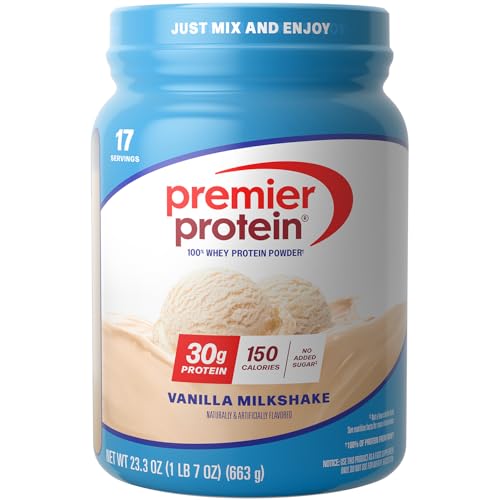
Premier Protein
Premier Protein 30g High Protein Powder, 100%…
- Sweet and smooth, this vanilla flavored protein powder helps pack in the nutrition you rely on every day while delivering indulgen…
- 30g Protein per serving, with all the essential amino acids and 100% of protein from Whey to feed your muscles and curb your hunge…
- Guilt free yum: 1g Sugar, 3g Carbs, 150 Calories and Low Fat; No Soy Ingredients, Gluten Free
This guide covers both paths: the budget method that costs almost nothing and the properly done method that gives you a better result. You decide which fits your situation.

The Cheap Way: Just Shake or Stir
The cheapest way to add protein powder to a smoothie is to skip the blender entirely. Use a shaker bottle or a jar with a tight lid.
Add your liquid first, then the powder. Shake hard for 30 seconds. This works fine for a quick post-workout drink.
You can also stir with a fork or whisk. It takes longer and leaves some clumps. But it gets the job done if you are in a hurry.
When the Cheap Way Is Genuinely Sufficient
This method works well when you only mix powder with water or milk. You do not need frozen fruit or ice. You just need a drinkable protein shake.
It also works if you use a whey protein that dissolves easily. Whey is known for mixing well with minimal effort. The Premier Protein 30g High Protein Powder in vanilla is a good example. It is a 100% whey formula that mixes smoothly with just water.
That particular powder has 30g of protein per serving, 1g of sugar, and 3g of carbs. It is gluten free and contains no soy ingredients. You can mix it with water for a quick shake, or blend it into a full smoothie. Check the current price on Amazon if you want to try it.
What the Cheap Way Actually Costs You
The cheap way costs time and repetition. You will need to shake longer and harder. You will likely deal with small clumps of powder that did not dissolve.
You also lose the texture that a blender provides. A shaken drink is thin. It does not have the thick, creamy mouthfeel of a blended smoothie.
If you are adding frozen fruit, the cheap way fails. You cannot break down frozen berries with a shaker bottle. You need blades for that.
The Proper Way: Use a Blender
The properly done method uses a real blender. This gives you a smooth, consistent texture every time.
You can use a full-size countertop blender or a personal blender. Both work well. The key is the order you add ingredients.
The Right Order for Blending
Order matters more than most people think. Get it wrong, and you get powder stuck at the bottom.
Start with the liquid. Pour in your water, milk, or milk alternative first. Then add the protein powder. Then add your fruits, vegetables, and ice.
This order prevents the powder from sticking to the bottom of the jar. It also helps the powder dissolve before the thicker ingredients weigh it down.
Blend on low for 10 seconds, then increase to high. Blend for 30 to 45 seconds total. Stop when the mixture is smooth and no powder streaks remain.
Why the Proper Way Is Worth It
A blender does the work for you. You do not have to shake or stir. You get a consistent texture with no clumps.
It also opens up more options. You can add frozen fruit, spinach, nut butter, or oats. The blender handles all of it.
If you want to make a smoothie that feels like a meal, the blender is the right tool. A shaker bottle cannot do that.
For a deeper look at choosing the right equipment, see this blender buying guide.
Protein Powder Types and How They Behave
Not all protein powders act the same in a smoothie. The type you choose changes the texture and the taste.
Whey Protein
Whey is the most common type. It mixes easily and dissolves quickly. It works well in both shakers and blenders.
It has a thin consistency compared to other powders. That makes it good for lighter smoothies. It is also fast-digesting, which suits post-workout drinks.
The Premier Protein powder mentioned earlier is a whey-based option. It has a sweet, smooth vanilla taste that works well with fruit.
Casein Protein
Casein is thicker than whey. It creates a pudding-like texture when mixed with liquid. This makes it great for thick smoothie bowls.
It digests slowly, so it keeps you full longer. Use it if you want a meal-replacement style smoothie.
Plant-Based Protein
Plant proteins come from peas, rice, hemp, or soy. They tend to be grainier than whey. They also need more blending time.
Pea protein is the most common. It has a strong flavor that some people describe as earthy. You may need extra fruit or sweetener to mask it.
Plant proteins thicken more than whey. Start with less powder and add more if needed.
How Much Protein Powder to Use
Most protein powders come with a scoop. A standard scoop is about 25 to 30 grams. That is usually enough for one smoothie.
Start with one scoop. Blend it and taste the result. If you want more protein, add half a scoop next time.
Do not overload the smoothie with powder. Too much creates a chalky texture and an overly sweet or artificial taste. It can also cause digestive discomfort.
One scoop per smoothie is a safe baseline. Adjust based on your protein needs and how the powder tastes to you.
Liquid Choices and Ratios
The liquid you choose affects the final texture and calorie count. Water gives the thinnest result. Milk or milk alternatives give a creamier texture.
Use about 8 to 12 ounces of liquid per scoop of powder. Less liquid makes a thicker smoothie. More liquid makes it easier to drink.
If you use frozen fruit, add a bit more liquid. The blender needs it to move the ingredients around.
You can also use juice, coconut water, or cold coffee. Each one changes the flavor profile. Coffee pairs well with chocolate protein powder.
Flavor Combinations That Work
Vanilla protein powder is the most versatile. It pairs with almost any fruit. The Premier Protein vanilla powder tastes like creamy vanilla ice cream, which makes it easy to combine.
Try these combinations with vanilla powder:
- Vanilla powder, banana, and peanut butter
- Vanilla powder, frozen berries, and spinach
- Vanilla powder, mango, and coconut water
- Vanilla powder, oats, and cinnamon
Chocolate protein powder works well with banana, cherry, and mint. Strawberry powder pairs with mixed berries and yogurt.
If you are adding leafy greens, use a strong flavor like vanilla or chocolate. They mask the green taste better than unflavored powder.
Common Mistakes to Avoid
Several mistakes ruin a protein smoothie. Here are the most common ones.
Adding powder first. This causes clumping at the bottom. Always add liquid first.
Using too much powder. More is not better. It makes the texture gritty and the taste overpowering.
Blending too long. Over-blending heats the smoothie. It also breaks down the fiber in fruit, making the drink thinner.
Ignoring the powder type. Plant proteins need more liquid and more blending time than whey. Adjust accordingly.
Not tasting before serving. Your smoothie might need a pinch of salt or a squeeze of lemon to brighten the flavor. Taste it first.
Can You Add Supplements to a Protein Smoothie?
Many people add other supplements to their protein smoothies. This is fine, but you need to check for ingredient conflicts.
Some supplements change the taste or texture. Others react with the protein powder. For example, vitamin C powder can make whey protein clump.
If you want to add supplements, start with a small amount. Blend and check the consistency. You can always add more.
For more details on mixing supplements into smoothies, read this supplements in smoothies guide.
Cleaning Up After Blending
Protein smoothies leave residue. Blenders need cleaning right after use. Protein powder dries like glue if you wait.
Rinse the blender jar immediately. Add warm water and a drop of dish soap. Blend for 10 seconds. Rinse again.
This takes less than a minute and prevents stubborn buildup. It is a small habit that saves you scrubbing later.
Budget-Friendly Protein Powder Options
You do not need to spend a lot on protein powder. Store brands and bulk bags cost less. They often work just as well.
Look for single-ingredient powders. Whey protein isolate or concentrate is usually affordable. Avoid fancy blends with added enzymes or flavorings if you are on a budget.
Buy the largest container you can. Cost per serving goes down with bigger tubs. Just check the serving size on the label.
The Premier Protein tub comes with 17 servings and a scoop. That is a reasonable size for testing whether you like it.
When the Cheap Way Is a False Economy
The cheap way stops being worth it when you want a real smoothie. If you are blending frozen fruit, you need a blender. Period.
It is also a false economy if you buy a cheap powder that tastes bad. You will not use it. The money is wasted.
Spend a little more on a powder you actually like. A good-tasting powder gets used. A bad one sits in the pantry.
If you already own a blender, the proper way costs nothing extra. You just use the equipment you have.
What About Adding Protein Powder to Hot Drinks?
Protein powder does not mix well with hot liquids. Heat denatures the protein, making it clump and curdle.
If you want a warm protein drink, mix the powder with a little cold liquid first. Then add it to your hot drink. This reduces clumping.
But for smoothies, cold liquid is always the better choice. Cold water and ice help the powder dissolve evenly.
How to Fix a Grainy Smoothie
Sometimes your smoothie turns out gritty. This happens with plant proteins or old powder.
Add more liquid and blend longer. If it is still gritty, strain it through a fine mesh sieve. This removes the gritty bits.
You can also add a thickening agent like chia seeds or yogurt. They mask the texture and add nutrition.
For a smoother result, blend the liquid and powder together first. Then add the rest of the ingredients. This gives the powder more time to dissolve.
Protein Powder and Digestion
Some people feel bloated after protein smoothies. This is often from lactose in whey concentrate or from artificial sweeteners.
If that happens, switch to whey isolate or a plant-based powder. Those are easier on the stomach for many people.
Also check the sweetener. Some powders use sugar alcohols that cause gas. Look for powders with minimal ingredients.
Start with a smaller scoop to see how your body reacts. You can always increase the amount later.
Does Protein Powder Expire?
Yes, protein powder has a shelf life. Most tubs last 6 to 12 months after opening.
Check the expiration date on the container. Old powder loses potency and develops a stale taste. It can also harbor bacteria if stored in a damp place.
Store your powder in a cool, dry spot. Keep the lid tight. Do not store it near the stove or in direct sunlight.
If the powder smells off or has clumps that will not break apart, throw it out.
Should You Use a Specific Blender?
Any blender can handle protein powder. It does not require a high-end machine. A basic model works fine.
However, a high-speed blender produces a smoother result with frozen ingredients. It also crushes ice more easily.
If you only make simple shakes, a personal blender is enough. If you make thick smoothie bowls daily, a more powerful machine helps.
Your blender choice matters less than your technique. The right order and liquid ratio fix most texture problems.
Protein Powder in Smoothies vs. Protein Shakes
A protein shake is just powder and liquid. A protein smoothie adds fruits, vegetables, or other ingredients.
Smoothies are more filling and nutritious. They also take more time to prepare. Shakes are faster and simpler.
Both are valid options. Use a shake for convenience. Use a smoothie when you want a meal replacement.
You can also make a half-smoothie. Blend a small amount of fruit with your shake. This gives you flavor without the prep work.
Final Thoughts on Protein Powder in Smoothies
Protein powder absolutely belongs in smoothies. It adds nutrition and makes the drink more satisfying.
Start with the cheap method if you already have a shaker bottle. It works for simple shakes. Upgrade to a blender when you want thicker, more complex smoothies.
Choose a powder you like the taste of. The Premier Protein vanilla option is a solid choice for its smooth texture and clean ingredient list. It took me a day to get used to the sweetness, but it mixes well with water or milk.
For more ideas on adding things to smoothies, check this Emergen-C smoothie guide.
Your smoothie should taste good and work for your schedule. Pick the method that fits both, and you will stick with it.


