Can You Juice Cherries With The Pit? Safety & Best Methods
On this page 6 sections
Say you want to make a fresh cherry juice using 2 cups of cherries from your local market. If you juice them whole, including the pits, you risk releasing harmful compounds and damaging your juicer. Instead, you can remove the pits safely with basic tools or a cherry pitter before juicing.
This article explains why cherry pits should not go into the juicer, how to remove them efficiently, and the best juicing methods to get the most from your cherries without risking safety or equipment damage.
Can You Juice Cherries With The Pit? What You Need To Know
You should not juice cherries with the pit because cherry pits contain amygdalin, a compound that can release cyanide when crushed. Juicing pits risks both your health and your juicer’s function.
Amygdalin in cherry pits breaks down into cyanide, a toxic substance, when the pits are crushed during juicing. Even small amounts of cyanide can cause symptoms like headache, dizziness, or nausea, and larger amounts can be dangerous.
Besides the chemical risk, the hard pits can damage your juicer’s blades or auger. Most home juicers are not designed to handle hard stones, leading to costly repairs or a broken machine.
Removing pits before juicing cuts out the cyanide risk and also improves the juice’s taste. Pits can make the juice bitter and astringent, which hides the cherries’ natural sweetness.
Juicing pitted cherries is safer and yields a smoother, sweeter juice. It also protects your juicer from damage, saving you time and money on maintenance.
If you accidentally juice cherries with pits, stop using the juice and discard it. The risk of cyanide exposure is not worth taking, even if you don’t taste bitterness or detect anything unusual.
How To Remove Cherry Pits Safely At Home
Removing cherry pits before juicing is essential, and you can do it safely at home without special tools. Several simple methods work well depending on what you have on hand.
One common approach is the knife slicing method: carefully slice the cherry along its seam and pop out the pit with your fingers or the tip of the knife. Be cautious to avoid cutting yourself.
You can also use a bottle and straw technique: place the cherry on the mouth of a sturdy bottle and push the pit through with a strong straw or skewer. This method requires a firm surface and some practice but keeps your hands safe from knives.
Household hacks like bending a paperclip into a small hook can help extract pits from cherries. Though less common, these can be effective if you don’t have a dedicated pitter.
A cherry pitter tool makes the process faster and reduces mess. It’s designed to remove pits cleanly and safely with minimal effort, protecting your fingers and speeding up large batches.
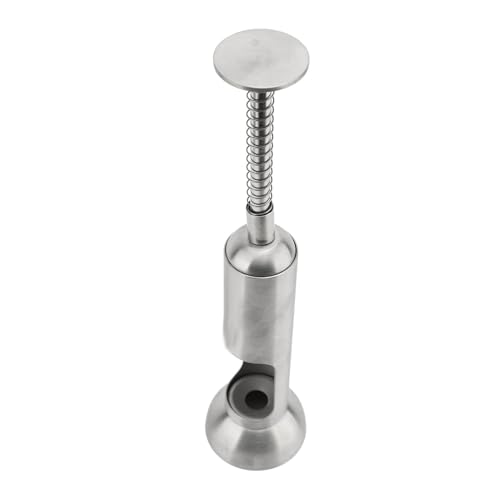
For efficiency, pit cherries in small batches and keep your workspace clean. Rinse pits away promptly to avoid sticky buildup and rinse cherries before pitting to reduce mess.
If you’re wondering what to do with jarred maraschino cherries, they are already pitted and ready to juice or use without further prep.
Avoid juicing cherries with pits to protect your juicer and prevent cyanide exposure. Removing pits first is a simple but important step toward safe and delicious cherry juice.
Best Juicing Methods For Pitted Cherries
Juicing cherries without the pits lets you enjoy their flavor safely and unlocks several juicing options. Many people appreciate juicing cherries and grapes together for a nutrient-rich juice packed with antioxidants and natural sweetness. However, avoid juicing pom juice (juice from pomegranate seeds) mixed with pits, as it can introduce bitterness and clog your juicer.
A blender is a versatile choice for juicing pitted cherries. You blend whole cherries into smoothies or juice, then strain the pulp for a smoother drink. Blending preserves much of the fiber and nutrients, making it a wholesome option.
Cold press juicers are excellent for pitted cherries because they extract juice gently and preserve heat-sensitive nutrients and enzymes. This method yields a fresh, vibrant juice but requires pits to be removed to avoid damage to the machine.
Steam juicing offers a unique advantage: it heats cherries just enough to release juice while keeping pits intact and safe inside the steamer basket. This method prevents pit crushing and cyanide exposure, producing a clear cherry juice. It’s less common but ideal if you want to avoid pit removal entirely.
Straining your juice after blending or cold pressing is key to achieving a smooth texture. Use a fine mesh strainer, cheesecloth, or nut milk bag to remove pulp and tiny pit fragments that might remain.
| Method | Pros | Cons |
|---|---|---|
| Blender | Preserves fiber and nutrients; easy to use | May need straining for smooth juice |
| Cold Press Juicer | Retains nutrients and enzymes; yields clear juice | Requires pit removal; machine can clog |
| Steam Juicer | Keeps pits intact; safe from cyanide release | Less common; juice has a cooked flavor |
 Home Juicing Starter KitMake fresh juice that tastes good, costs less and keeps safely: 40 recipes with exact amounts, a yield chart and a 4-week plan.40 juice, smoothie and shot recipesYield, storage and food-safety chartsCost, yield and shopping-list calculator (Excel)
What To Know About Cherry Pit Byproducts And Uses
Cherry pits should never be eaten raw because they contain amygdalin, which can release cyanide when crushed or digested. However, they have practical uses once prepared safely.
One popular way to use cherry pits is making flavored syrups. After thoroughly cleaning and drying the pits, you can simmer them gently with sugar and water to extract a subtle cherry essence. This syrup adds a unique twist to drinks and desserts without the cyanide risk.
Drying cherry pits also makes them ideal for homemade heating pads. When heated, they retain warmth and release a gentle aroma. This use is safe since the pits are intact and not broken open.
Infusing pits in liquor is a traditional method to capture their flavor. To ensure safety, use whole, uncracked pits and soak them only for a limited time, then strain the liquid thoroughly. Avoid consuming any crushed pits or sediment.
If you have juice from a jar of maraschino cherries, it’s usually safe to use as a sweetener or cocktail ingredient. Maraschino cherry juice is made from preserved cherries and does not contain dangerous pit compounds.
Checklist To Juice Cherries Safely
You can only juice cherries safely if you follow a few key steps to protect your health and equipment.
Remember, juicing cherries with the pits is unsafe because crushed pits release cyanide. Use a simple cherry pitter or home methods to remove pits before juicing. Choosing the right juicer for pitted cherries helps you get the most juice without damaging your appliance or risking contamination.
If you’ve already juiced cherries with pits by accident, discard the juice to avoid cyanide exposure. Next time, follow this checklist to keep juicing safe and enjoyable.