Fresh juice is perishable and best enjoyed soon after making or opening. Understanding how to store it properly helps keep flavor and safety intact.
Freezing fresh juice extends its shelf life significantly, but thawing and storage require care to maintain taste and avoid waste.
Freezing Fresh Juice Is Possible
Yes, you can freeze fresh juice, including fresh pressed apple juice, for up to 6 months safely. Freezing slows down spoilage and helps preserve nutrients and flavor better than refrigeration over several days.

Freshly squeezed juices—like apple juice made at home—freeze well when stored in airtight, freezer-safe containers. It’s important to leave about an inch of space at the top of the container to allow for expansion as the juice freezes, preventing container breakage or leaks.
Freezing does not sterilize the juice; it simply slows microbial growth. After thawing, drink the juice within 24 hours and do not refreeze it, as refreezing can degrade quality and increase food safety risks.
Compared to keeping fresh juice in the fridge for more than a few days, freezing is a better option to maintain its taste and some of its nutrients. However, the texture may change slightly after thawing, sometimes becoming a bit watery or separated, which is normal and harmless.
Fresh Juice Lasts Only a Few Days in Fridge or Pantry
Fresh juice lasts about 2 to 3 days in the refrigerator once opened, stored at 40°F (4°C) or below. Unopened fresh juices, including cold-pressed or unpasteurized types, generally keep for 3 to 5 days in the fridge.
It’s unsafe to leave fresh juice at room temperature for more than 2 hours because bacteria can multiply quickly, increasing the risk of spoilage and foodborne illness.
Pasteurized juice usually lasts longer than fresh, unpasteurized juice because heat treatment kills many spoilage microbes and enzymes. Still, once opened, pasteurized juice should be refrigerated and consumed within a few days.
| Storage Type | Typical Shelf Life |
|---|---|
| Fresh juice, opened, refrigerated at 40°F (4°C) | 2 to 3 days |
| Fresh juice, unopened, refrigerated | 3 to 5 days |
| Pasteurized juice, unopened, refrigerated | Up to several weeks |
| Fresh juice, room temperature | Up to 2 hours |
| Fresh juice, pantry | Not safe once opened |

Fresh Juice Spoils Fast Without Preservatives
Fresh, unpasteurized juices spoil quickly because they contain natural microbes that begin to grow as soon as the juice is extracted. These microorganisms include bacteria and yeasts that feed on the sugars and nutrients in the juice, causing it to ferment and sour.
Cold-pressed juice is minimally processed and usually unpasteurized, which means it retains more enzymes and nutrients but also has a higher risk of spoilage. The cold pressing method avoids heat, so it doesn’t kill microbes that cause the juice to go bad.
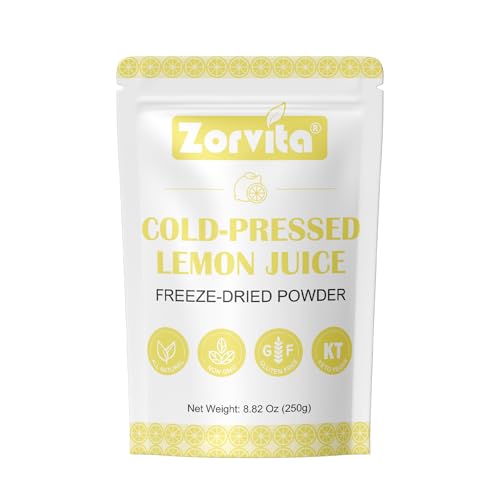
Acidity helps slow microbial growth in juices like lemon or lime, but it does not stop it completely. Refrigeration at 40°F (4°C) or below also slows microbial activity but cannot prevent it indefinitely. That’s why even fresh-squeezed lime or lemon juice will only keep a few days in the fridge before the flavor and safety decline.
If you’re wondering about freezing fresh squeezed lime juice or lemon juice, freezing halts microbial growth by putting the juice in a dormant state. This makes freezing a good option to preserve their quality longer.
Even though refrigeration slows spoilage, keep fresh juice sealed tightly and consume it within 2 to 3 days. Avoid leaving it at room temperature as microbes multiply quickly in warm conditions.
How to Freeze and Thaw Fresh Juice Safely
Freezing fresh juice is a smart way to extend its shelf life, but it requires some care to maintain quality. Start by freezing juice in small portions so you can thaw only what you need without waste.

When freezing fresh lemon juice or fresh squeezed apple juice at home, use containers that leave about 1 inch of headspace at the top. Juice expands as it freezes, so this space prevents the container from cracking or leaking.
To thaw, move the frozen juice to the refrigerator and let it defrost overnight. Avoid thawing at room temperature since this encourages bacterial growth and spoils the juice.
Once thawed, shake or stir the juice before drinking to mix any settled pulp or separation. Do not refreeze thawed juice, as this degrades flavor and increases spoilage risk.
Best Bottles and Containers for Freezing Juice
You can freeze fresh squeezed apple juice and fresh pressed apple juice safely, but choosing the right container matters for maintaining quality and preventing leaks or cracks.
BPA-free, airtight containers labeled freezer-safe are your best bet. Plastic and glass both work well if they are thick enough to handle expansion as the juice freezes. Thin bottles or jars may crack or leak, so avoid those.
Wide-mouth jars or bottles make filling easier and reduce spills when pouring thawed juice. They also let you leave some headspace—about an inch—to allow for juice expansion as it freezes, which helps prevent container damage.
Freezer bags designed for liquids can be an option too. Look for sturdy bags with a strong seal to avoid leaks. Place the bags flat in the freezer to freeze the juice evenly and save space.
Always label your containers with the date you froze the juice. This helps you keep track so you use the juice within the recommended 6-month limit for frozen fresh juice.