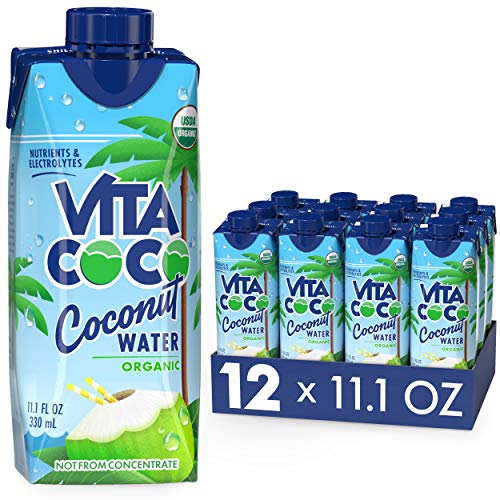
Coconut water is mostly water, but the small amount of sugar and electrolytes changes how it freezes. You can freeze it, and it works well for smoothies, cooking, or a cold drink on a hot day. But the texture changes, and that matters depending on how you plan to use it.

What Happens When Coconut Water Freezes?
Freezing separates the water from the solids. The water forms ice crystals, and the coconut solids and some sugars get pushed together. When you thaw it, the liquid looks slightly cloudy and might feel a bit gritty or separated. The flavor stays mostly intact, but the mouthfeel is not the same as fresh.

Lily's Home
Lily's Home Water Bottle Ice Cube Tray…
- Carry to the Freezer Without Spilling: Flimsy trays that slosh and drip on the way to the freezer are a thing of the past; each of…
- Flexible silicone for east ice release: Made from durable food-grade silicone, these ice cube trays allow each long ice stick to r…
- Sized to Fit Any Water Bottle: Each ice stick measures 3.75 inches long x 0.75 inches wide, sliding easily through standard water…
That separation is not spoilage. It is a physical change. A quick shake or a run through a blender brings it back together for smoothies. If you plan to drink it straight from the glass, thawed coconut water will taste fine but might feel a little off.
How to Freeze Coconut Water the Right Way
Start with a container that leaves room for expansion. Liquid expands when frozen, and glass jars crack if you fill them to the brim. Use a plastic container or a freezer bag, and leave about an inch of headspace.
Pour the coconut water in, squeeze out the air if using a bag, and seal it. Write the date on the outside. Coconut water keeps in the freezer for about six months before the flavor starts to dull.
Thaw it in the refrigerator overnight. Do not use hot water or a microwave to speed things up. Rapid thawing makes the texture worse and can encourage bacterial growth if the liquid sits in the danger zone too long.
Freezing in Ice Cube Trays for Portion Control
Ice cube trays solve the portion problem. You freeze small amounts, then pop out exactly what you need. This works especially well if you use coconut water for smoothies or iced coffee. You drop a cube or two straight into the blender, and you skip the thawing step entirely.
Standard ice cube trays work, but the cubes are small. If you want bigger pieces that fit into a bottle, a long stick tray is a better option. The freezing juice trick works the same way for coconut water.
A Practical Tray Option
The Lily's Home Water Bottle Ice Cube Tray makes 30 long sticks per cycle. Each stick measures 3.75 inches long and 0.75 inches wide, which slides through standard bottle openings. The set includes three color-coded trays, so you can freeze plain coconut water in one and fruit-infused versions in the others.
Each tray has a fitted lid. That lid keeps liquid from sloshing when you carry the tray to the freezer. The flexible silicone body releases the sticks with a gentle twist, and the smooth surface rinses clean in seconds.
The trays are slim, under an inch thick, so they stack without taking over your freezer. You can freeze coconut water, juice, or purees in them. They also work for homemade popsicles if you insert a stick before freezing.
Check the current price on Amazon if you want a set.
Does Freezing Kill the Nutrients?
Freezing does not destroy the electrolytes or the potassium in coconut water. Those minerals are stable at low temperatures. You lose a small amount of vitamin C over time, but that happens in the fridge too.
The main loss is texture, not nutrition. If you drink it for hydration after a workout, frozen and thawed coconut water still does the job.
What About Freezing Coconut Water in the Carton?
You can freeze the whole carton if you have leftover. Pour out a cup first to leave headspace, then seal the carton tightly. The cardboard carton might bulge slightly, but it holds up fine in the freezer.
Do not freeze coconut water in a glass bottle. The expansion cracks the glass, and you end up with a mess and a ruined product.
How Long Can You Keep It Frozen?
Six months is the sweet spot. After that, the flavor fades and the color may turn slightly pink or brown. That color change is oxidation, not spoilage. It is still safe to drink, but it will not taste as fresh.
If you freeze coconut water in ice cube trays, use the cubes within three months. The smaller surface area means they pick up odors from the freezer faster. Store the cubes in a zip-top bag after they freeze solid to protect them.
Best Uses for Frozen Coconut Water
Smoothies are the best use. The icy texture blends into a thick, cold drink without diluting it. You can also use frozen cubes in place of regular ice in cocktails or iced tea. The cubes melt slower than water ice, so your drink does not get watery.
Cooking is another option. Thawed coconut water works in rice, soups, or marinades where the texture does not matter. The flavor comes through, and you save money by not wasting leftovers.
One thing to skip: drinking it straight after thawing. It is not bad, but it is noticeably different from fresh. If you only drink coconut water plain, freeze it only when you have no other option.
Freezing Different Brands and Flavors
Plain coconut water freezes best. Flavored versions, like those with added mango or pineapple, freeze fine but the added sugar makes them freeze softer. They turn into a slush rather than a solid block. That is fine for smoothies, but less convenient for ice cubes.
Pressed coconut water, which has a creamier texture, separates more dramatically when frozen. The fat content rises to the top and solidifies separately. A strong shake or a blender fixes it, but expect a layered look before you mix it.
Common Mistakes to Avoid
Filling the container to the brim is the biggest mistake. The liquid expands, the container bursts, and you lose the whole batch. Always leave headspace.
Thawing at room temperature is another one. It takes longer than you think, and the outside warms up while the inside stays frozen. That temperature swing invites bacteria. Use the fridge, and plan ahead.
Refreezing thawed coconut water is not a good idea. Each freeze-thaw cycle degrades the texture further and increases the risk of bacterial growth. Freeze once, thaw once, and use it all.
Frequently Asked Questions
Does frozen coconut water taste different?
Yes, slightly. The flavor is a bit flatter after freezing. The sweetness stays, but the fresh, grassy notes fade. It still tastes like coconut water, just not as vibrant.
Can you freeze coconut water in plastic bottles?
Yes, if the bottle is freezer-safe. Leave room at the top for expansion. Most single-use plastic bottles are not designed for freezing and may crack, so transfer to a sturdier container.
Is thawed coconut water safe for babies?
It is safe in the sense that freezing kills no beneficial bacteria, but it also does not kill them. If the coconut water was fresh and handled properly before freezing, it is fine. The texture change might not appeal to a baby, so test a small amount first.
Can you freeze coconut water in ice cube trays?
Yes, and it is the best method. The hydration benefits stay intact, and you get convenient portions. Use a tray with a lid to prevent spills.
How do you stop coconut water from separating after thawing?
You cannot stop it, but you can fix it. Shake the container vigorously, or blend it for a few seconds. The solids will re-disperse, and the liquid will look normal again.
Can you freeze coconut water in glass mason jars?
Only if you leave at least an inch of headspace and use the wide-mouth style. Even then, there is a risk of cracking. Plastic is safer for freezing liquids.