No, it’s recommended to avoid eating or drinking for at least 8 hours before a PSA test to ensure accurate results.
Preparing for a PSA test raises many questions about food, drink, and activities that might affect results. Understanding these factors helps ensure accurate readings and proper prostate health monitoring.
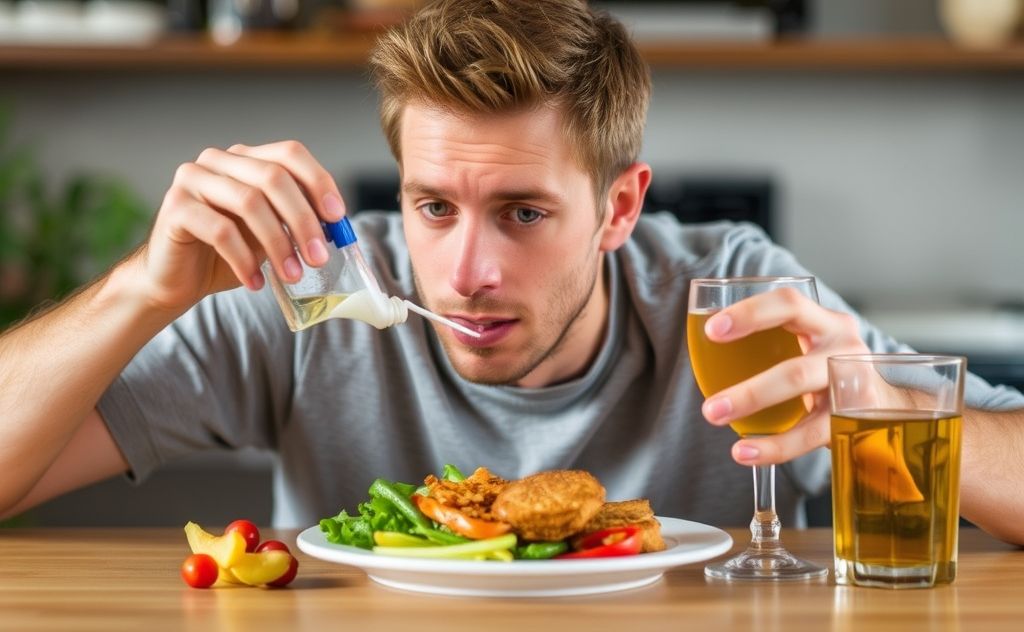
Food and Drink Guidelines Before PSA Testing
Unlike many blood tests, PSA testing doesn’t require fasting. You can maintain normal eating habits before your test. Current research shows no direct link between specific foods and elevated PSA levels.
What You Can Consume
- Water – Stay hydrated before your test
- Coffee and tea – Caffeine doesn’t affect PSA results
- Regular meals – No need to skip breakfast or lunch
What to Limit
While no foods are strictly prohibited, heavy alcohol consumption in the days before testing might slightly depress PSA levels. Moderate drinking appears to have minimal effect.

Activities to Avoid Before PSA Testing
Certain physical activities can temporarily elevate PSA levels, potentially affecting test accuracy.
Exercise Restrictions
- Avoid vigorous exercise 48 hours before testing
- Skip cycling, horseback riding, or motorcycle use
- Light walking and stretching are acceptable
For those interested in maintaining prostate health through nutrition, consider exploring vegetable juicing options that may support overall wellness.
Sexual Activity and PSA Levels
Ejacu..tion within 48 hours of testing can cause temporary PSA spikes. The prostate produces fluid that becomes part of se..n, and recent sexual activity may release additional PSA into the bloodstream.
| Activity | Recommended Waiting Period |
|---|---|
| Ejacu..tion | 48 hours before test |
| Digital rectal exam | Schedule PSA test first |
Medications That Affect PSA Results
Several medications can influence PSA levels, either increasing or decreasing readings. Always inform your doctor about:
- Finasteride (Proscar, Propecia) – Can halve PSA levels
- Dutasteride (Avodart) – Similar effect to finasteride
- NSAIDs (ibuprofen, aspirin) – May slightly lower PSA
- Certain herbal supplements like saw palmetto
For those managing health conditions with nutrition, digestive-friendly smoothie recipes might be helpful while preparing for medical tests.
Medical Conditions That Impact PSA Tests
Several health factors can affect PSA readings beyond prostate cancer:
Temporary Conditions
- Urinary tract infections – Wait 6 weeks after treatment
- Prostatitis (prostate inflammation)
- Recent catheter use
Chronic Conditions
- Benign prostatic hyperplasia (BPH)
- Previous prostate procedures
- Certain medications as mentioned above
According to American Cancer Society guidelines, PSA testing should be part of a comprehensive prostate health evaluation that considers all these factors.
Special Considerations for High-Risk Groups
Certain populations should pay particular attention to PSA testing preparation:
- African American men – Higher risk at younger ages
- Men with family history of prostate cancer
- Those over 50 (45 for high-risk groups)
Proper test preparation helps ensure accurate results for all men, but is especially important for these higher-risk populations where early detection matters most.
Related pick: Check today's price on Amazon


