You’re staring at your juice schedule, and you want something warm. The question is simple: can you drink tea during a juice cleanse?
The short answer is yes, but with conditions. The longer answer depends on the type of tea, the goal of your cleanse, and your sensitivity to caffeine.
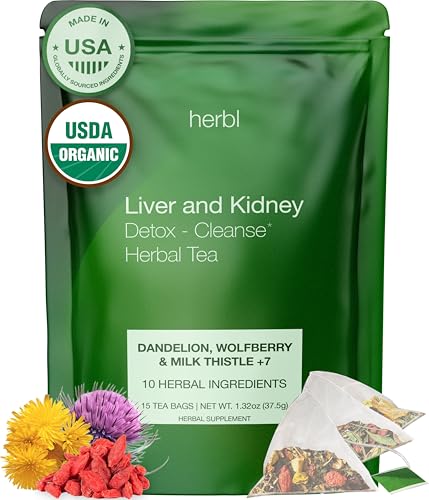
herbl
Organic Dandelion Wolfberry Tea - Kidney and…
- SUPPORTS LIVER HEALTH & DETOX: Our dandelion wolfberry tea is a carefully crafted blend of 10 herbs, including roasted dandelion r…
- KIDNEY CLEANSE & DETOX: Formulated with nettle and wolfberry, this kidney detox tea supports kidney health and hydration. A daily…
- DIGESTIVE & IMMUNE BOOST: Featuring ginger root, hibiscus, and turmeric, our dandelion wolfberry tea aids digestion and boosts the…
Let’s walk through the branches so you know exactly what works for your situation.

First, Ask What Your Cleanse Is For
Different people do juice cleanses for different reasons. Some want a reset from processed food. Others want to reduce bloating or support digestion. A few are chasing a specific detox protocol.
Your reason matters because it sets the rules.
If your goal is strict calorie restriction, tea is fine. Most teas have zero calories. If your goal is to give your digestive system a break, tea is still fine. Herbal teas are gentle on the stomach.
But if your goal is to follow a rigid, pre-packaged cleanse program, check the label. Some programs allow tea. Others say water only. Follow the plan you paid for.
The Caffeine Question Splits the Audience
Here is the fork in the road. Are you a regular coffee or black tea drinker?
Branch one: You drink caffeine daily.
Going cold turkey while juice fasting gives you headaches. The drop in caffeine causes withdrawal symptoms. A small cup of green tea or black tea in the morning can prevent that headache.
Keep it to one cup. Two cups might make you jittery, especially since you are consuming less food overall. The juice cleanse already stresses your system. Do not add a caffeine spike on top of it.
Branch two: You avoid caffeine already.
Skip caffeinated tea entirely. Your body is not used to the stimulant. Instead, choose naturally caffeine-free herbal blends.
This branch also applies if you are prone to anxiety or sleep issues. Caffeine amplifies both. A juice cleanse is not the time to experiment with stimulants.
Herbal Tea Is the Safest Bet
Herbal teas are made from dried fruits, flowers, spices, or herbs. They contain no caffeine from the Camellia sinensis plant.
Peppermint tea aids digestion. Ginger tea settles the stomach. Chamomile tea relaxes you before bed. These are all excellent choices during a cleanse.
One specific blend worth considering is an organic detox tea that supports the liver and kidneys. The herbl Organic Dandelion Wolfberry Tea fits this category well.
It contains roasted dandelion root and milk thistle, which are traditionally used to support liver function. It also includes nettle and wolfberry for kidney support. The ginger root and hibiscus aid digestion.
This tea is 100% organic and free from chemicals and additives. You get antioxidants from rosehips and licorice root. It is a whole-body wellness approach rather than just a liver cleanse.
Steep a cup in the afternoon when you crave something warm. It is a satisfying break from cold juice.
What About ‘Detox Teas’ That Promise Weight Loss?
Some commercial detox teas contain senna, a natural laxative. They also often include high doses of caffeine.
Avoid these during a juice cleanse.
You are already consuming fiber-free juice. Adding a laxative to that can cause cramping and dehydration. The weight loss from these teas is water weight and stool weight, not fat loss.
It is not a healthy combination. Stick to simple herbal blends without added laxatives.
Timing Matters More Than You Think
When you drink tea during a cleanse affects how you feel.
Drink herbal tea between juice servings, not with them. Your body absorbs the nutrients from juice better when you are not diluting them with another liquid.
Wait at least 30 minutes after finishing a juice before pouring a cup of tea. This gives your digestive system time to process the juice.
Do not drink tea late in the evening if it contains any caffeine. Even small amounts can disrupt sleep. Save the caffeinated cup for the morning.
Temperature and Variety Keep You Sane
One of the hardest parts of a juice cleanse is the monotony. Everything is cold and sweet.
A warm cup of tea breaks that pattern. It gives you a sensory experience that juice cannot match. The warmth also helps you feel full, which reduces cravings during the fast.
Try rotating two or three teas across the day. A citrus blend in the morning, a mint tea after lunch, and a chamomile blend at night. Variety makes the cleanse feel less restrictive.
Comparing Tea Types on a Cleanse
| Tea Type | Caffeine? | Safe on Cleanse? | Best Time |
|---|---|---|---|
| Green tea | Yes (low) | Yes, if you need caffeine | Morning |
| Black tea | Yes (high) | Use caution; one cup max | Morning |
| Peppermint | No | Yes | After meals |
| Ginger | No | Yes | Anytime |
| Chamomile | No | Yes | Evening |
| Dandelion blend | No | Yes | Afternoon |
| Laxative detox tea | Sometimes | No | Avoid entirely |
This table gives you a quick reference. When in doubt, choose the caffeine-free herbal option.
Milk, Sugar, and Sweeteners Are a Different Story
Plain tea is fine. Tea with additives is not.
Milk or cream adds calories and fat. That defeats the purpose of a cleanse. Sugar and honey add empty calories and spike your blood sugar. Artificial sweeteners can trigger cravings.
Drink your tea plain. No milk, no sweetener. If the taste is too bitter, choose a naturally sweet herbal blend. Hibiscus and licorice root both provide natural sweetness without additives.
The herbl dandelion tea includes hibiscus and licorice, so it tastes pleasant without any added sugar.
Can You Drink Tea While Water Fasting?
This is a related question that often comes up. The rules are slightly different.
During a water fast, you consume nothing but water. Tea technically breaks that fast because it is not water. However, herbal tea is so low in calories that it does not trigger an insulin response.
Most experts consider plain herbal tea acceptable during a water fast. If you are fasting for religious reasons or for a medical test, check with your doctor first.
For more details on this specific scenario, read our guide on tea during water fasting.
What About Eating Solid Food During a Cleanse?
Some cleanses allow small amounts of solid food. Others do not.
If your cleanse permits food, focus on raw fruits and vegetables. Avoid processed snacks. The goal is to keep your digestive system working lightly.
Tea pairs well with a small piece of fruit or a handful of raw almonds. The combination keeps you satisfied without overloading your system.
Check our full breakdown of eating rules during a juice cleanse for more guidance.
The Honest Truth About Detox Claims
Here is where we get real. Your liver and kidneys already detoxify your body. They do this every day without any help from tea or juice.
A juice cleanse does not ‘flush toxins’ in any magical way. What it does do is give your digestive system a break from heavy foods. It also reduces your intake of processed sugar and salt.
Tea can support this process. Dandelion root and milk thistle have a long history of traditional use for liver health. Nettle supports kidney function. But these are gentle supports, not miracle cures.
Do not expect a tea to reverse damage from years of poor diet. It is a supportive tool, not a medical treatment.
Hydration: The Real Key to a Cleanse
Juice alone does not provide enough water. Most juice is about 85% water, but that is not sufficient for a full day.
You need plain water alongside your juice. Tea counts toward your fluid intake, but do not replace water with tea entirely.
Aim for 8 to 10 cups of total fluid per day. That includes juice, tea, and water. If your urine is dark yellow, drink more water. If it is light straw-colored, you are hydrated.
Tea is a helpful addition, but water remains the foundation.
Practical Tips for Adding Tea to Your Cleanse
Here is a simple daily plan that works.
Morning: One cup of green tea or black tea if you need caffeine. Otherwise, start with a citrus herbal blend. Wait 30 minutes after waking before drinking anything other than water.
Mid-morning: Your first juice serving. Drink it slowly.
Afternoon: A cup of dandelion wolfberry tea. This is when energy dips, and the warm liquid helps you push through. The herbl blend supports your liver and kidneys during the cleanse.
Evening: A cup of chamomile or peppermint tea. This signals your body to wind down.
This structure gives you variety without overwhelming your system.
Who Should Skip Tea Entirely
Some people should not drink tea during a cleanse.
Pregnant women should avoid certain herbs. Licorice root, for example, is not recommended during pregnancy. Senna is also off-limits. Check each ingredient list carefully or consult your doctor.
People on blood thinners should avoid green tea. The vitamin K in green tea can interfere with medication. Dandelion may also interact with certain diuretics and antibiotics.
Anyone with a history of kidney stones should be cautious with high-oxalate teas. Black tea is high in oxalates. Herbal teas are generally lower, but check with a doctor.
If you take medication, ask your pharmacist about potential interactions with herbal teas. This is a genuine safety concern, not a formality.
Final Verdict: Yes, With Smart Choices
You can drink tea during a juice cleanse. Choose caffeine-free herbal blends most of the time. If you need caffeine, stick to one cup of green or black tea in the morning.
Avoid laxative teas and anything with added sugar or milk. The herbl Organic Dandelion Wolfberry Tea is a solid choice for an afternoon pick-me-up. It supports your liver and kidneys while giving you a warm, satisfying break from cold juice.
Check the current price on Amazon if you want to try it. It is a reasonable addition to any cleanse.
Listen to your body. If a tea makes you feel nauseous or jittery, stop drinking it. The cleanse should make you feel better, not worse.
Stay hydrated, keep your tea plain, and you will get through the cleanse with your sanity intact.