The short answer is yes, you can usually buy protein shakes with food stamps. But the rules are more specific than you might think. SNAP benefits cover food items for human consumption. That means a ready-to-drink shake you buy cold from the deli case is fine. A hot soup from the same counter is not.
The biggest mistake people make is assuming all protein products are treated the same. They aren’t. The difference comes down to something called the supplement rule. If a product has a “Nutrition Facts” label, it’s a food. If it has a “Supplement Facts” label, it’s a supplement, and SNAP won’t cover it.
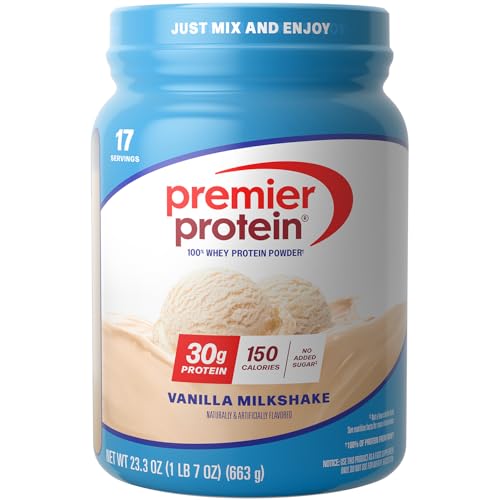
Premier Protein
Premier Protein 30g High Protein Powder, 100%…
- Sweet and smooth, this vanilla flavored protein powder helps pack in the nutrition you rely on every day while delivering indulgen…
- 30g Protein per serving, with all the essential amino acids and 100% of protein from Whey to feed your muscles and curb your hunge…
- Guilt free yum: 1g Sugar, 3g Carbs, 150 Calories and Low Fat; No Soy Ingredients, Gluten Free

How the Amateur Gets It Wrong
Most people walk into a store, grab any tub of powder, and head to checkout. They don’t look at the label. They assume the cashier will know. Then they get embarrassed when the card declines.
The other common mistake is assuming every protein bar or shake is eligible. Some are. Some aren’t. It depends on whether the manufacturer labels the product as a food or a supplement. This isn’t a judgment call by the store. It’s a federal rule.
What a Professional Does Differently
Someone who does this regularly flips the container over before grabbing it. They scan for the label type. They know that powders with a Supplement Facts panel won’t swipe. They also know that most ready-to-drink shakes, like Premier Protein, come with Nutrition Facts labels.
Here is the professional habit that is worth adopting today: check the label type before you commit to the purchase. It takes five seconds. It saves you the awkward moment at the register. This one habit separates people who breeze through checkout from those who get flagged.
There is one shortcut that professionals use that you should not copy. Some people buy a cheaper food item, like milk, and mix their own protein at home. That works, but it’s not the same as a convenient shake. Don’t assume the store clerk knows the rules either. They often don’t. You need to know them yourself.
The Official SNAP Rules for Protein Shakes
The USDA runs SNAP. They have a clear list of what counts as food. The main categories are:
- Fruits and vegetables
- Meat, poultry, and fish
- Dairy products
- Breads and cereals
- Snack foods and non-alcoholic beverages
- Seeds and plants that produce food
Protein shakes fall into the “non-alcoholic beverages” or “snack foods” category. But the label matters more than the category. If the product is marketed as a meal replacement or a food, it’s usually eligible. If it’s marketed as a dietary supplement, it is not.
Ready-to-Drink vs. Powder
Ready-to-drink shakes are your safest bet. Brands like Premier Protein sell bottled shakes that have Nutrition Facts labels. These are treated like any other beverage. You can buy them with EBT without issue.
Powders are a gray area. Some powders have Nutrition Facts labels. Others have Supplement Facts. The Premier Protein 100% Whey Powder, Vanilla, for example, is a food product. It has a Nutrition Facts label and 30g of protein per serving. You can buy this with food stamps because it counts as a food item, not a supplement.
But many other powders on the market use Supplement Facts. Those are not eligible. The rule is strict. If the label says “Supplement Facts” anywhere on the package, the card will decline.
Why the Label Type Matters
The FDA regulates how products are labeled. A food product provides nutrition. A supplement provides a concentrated dose of a specific nutrient. Protein powder can fit either definition depending on how the company markets it.
Companies choose which label to use. Some choose “Supplement Facts” because it allows them to make different health claims. Others choose “Nutrition Facts” to appeal to a broader food market. Your job is to check the back of the container before you pay.
This is not a loophole. It’s the actual rule. The USDA explicitly states that SNAP benefits cannot be used to buy vitamin supplements or any product with a Supplement Facts label.
What About Protein Bars and Other Snacks?
Protein bars are almost always eligible. They have Nutrition Facts labels. They are classified as food bars. You can buy them with EBT at any grocery store, convenience store, or even some gas stations.
Protein coffee drinks and protein water are also usually fine, provided they have Nutrition Facts labels. The same rule applies across the board. Check the label, and you’ll know the answer.
How to Check Before You Buy
Here is the exact process professionals use. Pick up the product. Turn it around. Look for the black-and-white label. If it says “Nutrition Facts” at the top, you’re good. If it says “Supplement Facts,” put it back.
That’s the whole trick. It doesn’t matter if the product is a powder, a shake, or a bar. The label type is the deciding factor. This works at Walmart, Target, Safeway, or any local grocer.
One caveat: store policies can vary slightly. Some stores may have issues with certain products in their system. If the card declines and you know the label is correct, ask for a manager. They can override the transaction manually in most cases.
What About Online Purchases?
You can use SNAP benefits online at major retailers like Amazon and Walmart. The same label rules apply. When you search for protein powder, look for the “SNAP EBT eligible” filter. That filter only shows items that are approved for purchase.
If you’re shopping on Amazon, you can add a protein powder to your cart and see if it qualifies at checkout. The system will tell you which items are SNAP-eligible and which are not. It’s a clean way to avoid surprises.
Is It Worth Buying Protein Powder with EBT?
That depends on your goals. If you need extra protein and you’re on a tight budget, a powder like Premier Protein is a smart buy. It gives you 30g of protein per serving, with 1g of sugar and 150 calories. That’s a solid nutritional profile for the price.
It also mixes easily. You just add water. You can blend it into smoothies or bake it into pancakes and muffins. It’s versatile, which makes it easier to stick to a high-protein diet without getting bored.
The downside is that it’s not a meal. It’s a supplement to your diet, even if the label calls it food. You still need whole foods for fiber, vitamins, and minerals. Use protein shakes to fill gaps, not replace meals.
Comparing Your Options
| Product Type | Label Type | SNAP Eligible? | Best For |
|---|---|---|---|
| Ready-to-Drink Shakes | Nutrition Facts | Yes | On-the-go convenience |
| Protein Powder (Food) | Nutrition Facts | Yes | Mixing into recipes |
| Protein Powder (Supplement) | Supplement Facts | No | Bodybuilding focus |
| Protein Bars | Nutrition Facts | Yes | Quick snacks |
| Mass Gainer Powders | Supplement Facts | No | High-calorie goals |
This table gives you a quick reference. The pattern is clear. Nutrition Facts means yes. Supplement Facts means no. There are very few exceptions to this rule.
The Bottom Line on Protein Shakes and Food Stamps
You can buy protein shakes with food stamps as long as the product is labeled as a food. The Premier Protein powder we mentioned is a good example. It has a Nutrition Facts label, so it passes the test.
If you’re unsure about a specific brand, check the label. That’s the only reliable method. Don’t rely on the cashier, the store manager, or the product name. The label is the law.
And if you’re worried about other side effects of protein, we have a guide on kidney strain risks that explains the science. Also check out our breakdown of bloating after shakes to know what to expect.
Frequently Asked Questions
Can I buy protein powder with EBT at Walmart?
Yes, if the powder has a Nutrition Facts label. Most store-brand and mainstream powders like Premier Protein qualify. Check the back of the tub before you head to the register.
Does SNAP cover protein shakes from fast food places?
No. SNAP benefits cannot be used at restaurants, with a few exceptions for specific state programs. You can only buy cold, packaged food items from grocery stores and approved retailers.
Can I use food stamps to buy protein bars?
Yes. Protein bars are classified as food bars and have Nutrition Facts labels. They are eligible for purchase with SNAP benefits at most retailers.
What happens if my EBT card is declined for a protein shake?
First, check the label. If it says Supplement Facts, the decline is correct. If it says Nutrition Facts, ask for a manager. The store can often manually approve the transaction if their system is mislabeled.
Are vegan protein powders covered?
It depends on the label, not the ingredients. If a vegan powder has a Nutrition Facts label, it’s eligible. If it has a Supplement Facts label, it’s not. The source of the protein doesn’t matter.
If you’re on a keto diet, you might also wonder about the carb content. Our article on keto-friendly shakes covers that angle in detail.


