Many people wonder if protein shakes affect their sleep, especially when taken in the evening after workouts.
The answer depends on what’s in your shake and when you drink it, not just the protein content alone.
Do Protein Shakes Keep You Awake? Understanding Why
Protein shakes themselves do not keep you awake, but ingredients like caffeine or added stimulants in some shakes can cause alertness that interferes with sleep. Drinking a protein shake too close to bedtime may also disrupt sleep due to digestion-related metabolic effects and blood sugar spikes from high sugar content.
Protein powder alone is not a stimulant, so it does not directly cause wakefulness. However, some protein shakes contain caffeine or energy-boosting additives that increase alertness. For example, whey protein by itself doesn’t keep you awake, but a whey shake with caffeine can.
Digestion raises your metabolic rate and body temperature, two factors that can make it harder to fall asleep if you consume a protein shake less than 90 minutes before bedtime. Your body is busy processing the nutrients, which can delay the natural winding-down process needed for sleep.
High sugar in some shakes causes blood sugar to rise quickly and then fall, leading to restless sleep or waking during the night. Choosing protein shakes with low sugar can help avoid this problem.
| Factor | Effect on Sleep |
|---|---|
| Protein alone | No stimulant effect |
| Caffeine or stimulants | Can increase alertness and delay sleep |
| Digestion | Raises metabolism and body temperature, delaying sleep |
| High sugar | Causes blood sugar spikes that disrupt sleep |
Common Mistakes That Keep You Awake After Protein Shakes
Drinking protein shakes at bedtime often leads to sleep issues. Consuming them too late doesn’t allow enough digestion time, leaving your body alert when you want to rest.

Chocolate protein shakes can affect your sleep because they usually contain caffeine or theobromine, both stimulants that interfere with falling asleep. If you notice insomnia after chocolate shakes, check the label for caffeine content.
Protein shakes with added caffeine or energy-boosting ingredients consumed late in the day are a frequent cause of insomnia. Also, mixing protein shakes with caffeinated beverages or pre-workout supplements compounds this effect and worsens sleep quality.
Choosing high-sugar or artificially sweetened protein shakes can disrupt blood sugar balance and digestion, leading to restless or fragmented sleep. Avoid products with more than about 10 grams of sugar near bedtime.

Who Should Limit Protein Shakes to Improve Sleep Quality
Protein shakes can cause anxiety and keep you up if they contain caffeine or other stimulants. These ingredients trigger your nervous system and interfere with your ability to relax. The protein itself does not cause insomnia, but the timing and additives matter.
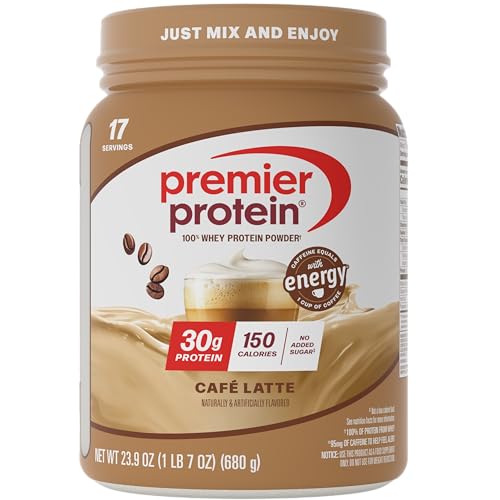
People sensitive to caffeine or stimulants should avoid protein shakes with those ingredients, especially in the afternoon or evening. For example, shakes like Premier Protein Café Latte with 95 mg of caffeine per serving can disrupt sleep.
Digestive issues and acid reflux make late-night protein shakes risky. Protein takes time to digest and may increase stomach acid production, which can irritate reflux symptoms and delay sleep onset. If you notice heartburn or discomfort after a shake, it’s best to limit intake to earlier in the day.
Sleep disorders demand extra caution. Individuals with insomnia or restless sleep often find their symptoms worsen if they consume protein shakes too close to bedtime or if the shake contains stimulating ingredients. Monitoring your personal response is key.
Pregnant or nursing women should discuss protein shake timing and contents with their healthcare provider. Some protein supplements contain additives or caffeine that may not be suitable during pregnancy or breastfeeding.
Better Choices and Timing for Protein Shakes That Support Sleep
Protein shakes can support sleep if you choose the right type and timing. Casein protein digests slowly, releasing amino acids steadily throughout the night. This makes it preferable near bedtime compared to faster-digesting proteins like whey.

Whey protein can impact sleep if consumed late because it digests quickly and may stimulate metabolism. However, some people find whey shakes make them sleepy due to individual differences in digestion and amino acid effects.
Choose stimulant-free, low-sugar, and minimally processed protein powders to avoid sleep disruption. Avoid shakes with added caffeine, artificial sweeteners, or energy-boosting ingredients.
Consume your protein shake at least 90 minutes before lying down. This allows digestion to begin and reduces the risk of discomfort or acid reflux that could interfere with sleep.
Avoid mixing protein shakes with coffee, tea, or energy drinks. Combining these can increase caffeine intake and amplify alertness when you want to wind down.
Adding tryptophan-rich foods like turkey or pumpkin seeds to your shake or evening snack can support melatonin production and promote restful sleep.
Safe Amounts of Protein Shake That Are Unlikely to Disrupt Sleep
A high-protein shake can keep you awake if it contains caffeine or stimulants, or if your body is sensitive to protein digestion close to bedtime. Protein itself rarely causes insomnia directly, but the timing and ingredients matter.
For most people, one serving of about 8 to 12 oz consumed around 90 minutes before going to sleep is safe and unlikely to disrupt rest. This gives your body time to digest and prevents stimulant effects from interfering with your natural wind-down.
If you have mild digestive sensitivity, try starting with smaller portions or drinking your shake earlier in the evening. Some people feel more alert or uncomfortable if protein digestion happens too close to bedtime.
Avoid any protein shakes containing caffeine or added stimulants after mid-afternoon to prevent them from keeping you awake. Check labels carefully, especially for pre-workout or weight loss blends that often include these ingredients.
Those with severe sleep problems or digestive conditions may need to skip protein shakes late in the day altogether. In these cases, consuming protein earlier or from whole foods might be a better choice.


