You’re at the grocery store, staring at a shelf of cranberry juice options. One bottle says ‘100% juice,’ another claims ‘immune support,’ and a third is labeled ‘cocktail.’ You remember hearing cranberries are good for you, but you’re not sure if they actually deliver on vitamin C—or if you’re just paying for sugar water.
This article breaks down the real numbers: how much vitamin C you get from raw cranberries, pure juice, and cocktail blends. We’ll also look at how your body absorbs that vitamin C, the sugar penalty you pay per glass, and how processing affects the final product. By the end, you’ll know exactly whether cranberry juice deserves a spot in your daily routine—or if you’re better off with an orange.
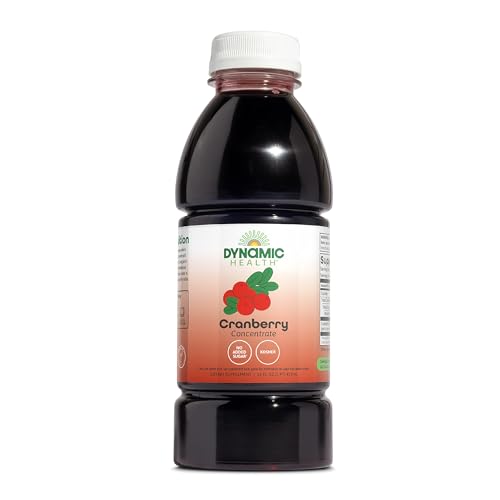
Dynamic Health
DYNAMIC HEALTH 100% Cranberry Juice Concentrate, 16…
- POTENT ANTIOXIDANT. Cranberries contain nutrients like vitamins C and E, plus the added power of the antioxidant quercetin. Antiox…
- COUNT ON CRANBERRY. You’ve probably heard that cranberries are great for urinary tract health. That’s because of proanthocyanidins…
- NO ADDED SUGAR. Our Cranberry Juice Concentrate is made without sweeteners or added sugar. It’s also Vegetarian, Gluten-Free, BPA-…
One product worth considering if you want pure cranberry without the added sugar is Dynamic Health 100% Cranberry Juice Concentrate. It’s made from organic cranberries with no added sweeteners, and each bottle packs about 4,000 berries. We’ll discuss how concentrates compare to ready-to-drink juices later, so keep this in mind.

The Exact Vitamin C Numbers: Raw vs. Juice vs. Cocktail
Let’s start with the raw fruit. A half-cup of raw cranberries (about 55 grams) contains roughly 7 mg of vitamin C. That’s about 8% of the Daily Value (DV), which is set at 90 mg for adults. Not terrible, but not impressive either—especially compared to a medium orange that delivers 70 mg (78% DV) for the same calories.
Now consider cranberry juice. Pure, unsweetened cranberry juice (the kind that makes you pucker) has about 23 mg of vitamin C per 8-ounce serving. That’s 26% DV. But here’s the catch: most people don’t drink pure cranberry juice because it’s intensely tart. Instead, they reach for cranberry juice cocktail, which is typically a blend of cranberry juice, water, and added sugar. A standard cocktail contains only about 10 mg of vitamin C per serving—less than half of the pure juice—because the cranberry juice is diluted.
The table below shows the exact numbers for different forms of cranberry, plus a few comparison fruits:
| Form | Serving Size | Vitamin C (mg) | % Daily Value | Calories | Added Sugar (g) |
|---|---|---|---|---|---|
| Raw cranberries | 1/2 cup (55 g) | 7 | 8% | 25 | 0 |
| Pure cranberry juice (unsweetened) | 8 oz | 23 | 26% | 45 | 0 |
| Cranberry juice cocktail | 8 oz | 10 | 11% | 137 | 31 |
| Orange juice (fresh) | 8 oz | 124 | 138% | 112 | 0 |
| Kiwi | 1 medium | 64 | 71% | 42 | 0 |
So yes, cranberry juice can boost your vitamin C intake—if you drink the pure stuff. But the cocktail version is a weak source, and it comes with a hefty sugar load.
Why Bioavailability Matters More Than Milligrams
Milligrams on a label don’t tell the whole story. Bioavailability—how much of that vitamin C your body actually absorbs and uses—varies by food and form. Vitamin C in cranberries is naturally occurring ascorbic acid, the same compound found in oranges and other citrus. Your body absorbs it well, but the absorption rate depends on dose and co-ingested foods.
Here’s the key: your gut has a limited capacity for vitamin C absorption. At doses below 100 mg, absorption is around 80-90%. At higher doses (like a 500 mg supplement), it drops to about 50% or less. Since cranberry juice delivers only 10-23 mg per serving, you’ll absorb nearly all of it. That’s actually a point in its favor—small doses are efficiently used.
But there’s another factor: vitamin C is water-soluble and sensitive to heat and light. When cranberries are processed into juice, especially with pasteurization, some vitamin C is destroyed. The longer the juice sits on a shelf, the more it degrades. So the ’23 mg’ on a label might be lower by the time you drink it, especially if the bottle has been open for a week.
Synthetic ascorbic acid—the kind added to fortified juices and supplements—is chemically identical to natural vitamin C. Your body can’t tell the difference. However, foods like cranberries also contain bioflavonoids and other compounds that may enhance vitamin C’s absorption and activity. These are largely absent from synthetic supplements. So while the molecule is the same, the whole-food package might offer a slight edge.
In short, the vitamin C in cranberry juice is bioavailable, but the amount is modest. It’s not a powerhouse like orange juice or kiwi, but it’s not negligible either.
The Sugar Penalty: Is Cranberry Juice Worth the Calories?
Here’s where the cost-benefit analysis gets real. Cranberry juice cocktail is one of the highest-sugar beverages in the juice aisle. A single 8-ounce serving packs about 31 grams of added sugar—that’s more than a glazed donut. The American Heart Association recommends no more than 36 grams of added sugar per day for men and 25 for women. One glass of cocktail blows through your entire allowance.
Even pure cranberry juice has natural sugars, about 12 grams per serving, but no added sugar. That’s comparable to orange juice, which has about 21 grams. The difference is that orange juice delivers five times more vitamin C per glass.
The ‘Per Calorie’ Comparison vs. Oranges and Kiwis
To make a fair comparison, let’s look at vitamin C per calorie—a metric that reveals the true efficiency of each food. This matters because calories are the currency you pay for nutrients.
- Orange juice: 124 mg vitamin C / 112 calories = 1.11 mg per calorie
- Kiwi: 64 mg / 42 calories = 1.52 mg per calorie
- Pure cranberry juice: 23 mg / 45 calories = 0.51 mg per calorie
- Cranberry cocktail: 10 mg / 137 calories = 0.07 mg per calorie
Cranberry cocktail is a nutritional disaster by this metric. You’re paying 137 calories for just 10 mg of vitamin C. Even pure cranberry juice is only half as efficient as orange juice. If your goal is vitamin C, you’re better off with an orange or kiwi.
But vitamin C isn’t the only reason people drink cranberry juice. The real draw is proanthocyanidins (PACs), which we’ll get to shortly. So the sugar penalty might be worth it if you’re after those specific benefits—just be aware of what you’re trading.
How Processing Kills the Vitamin C (and What to Buy Instead)
Processing is the silent enemy of vitamin C. Cranberries are naturally rich in ascorbic acid, but that compound is fragile. Heat, light, and oxygen all degrade it. Most commercial cranberry juices undergo pasteurization, which heats the juice to kill bacteria and extend shelf life. This process can destroy a significant portion of the vitamin C—studies show losses of 10-50% depending on time and temperature.
Cold-pressed juices, on the other hand, use high pressure instead of heat to preserve nutrients. This method retains more vitamin C, along with the delicate polyphenols that give cranberries their health benefits. The trade-off is cost: cold-pressed juices are pricier and have a shorter shelf life.
If you want to maximize vitamin C, your best options are:
- Fresh cranberries: Cook them lightly or eat them raw (if you can handle the tartness).
- Cold-pressed pure cranberry juice: Look for ‘cold-pressed’ on the label, which means no heat was used.
- Concentrates: A product like Dynamic Health’s 100% Cranberry Juice Concentrate is made from organic cranberries and processed without added sugar. You dilute it yourself, so you control the strength. Because it’s concentrated, you get more cranberry per ounce—and less water dilution—than ready-to-drink juices.
One caveat: even concentrates lose some vitamin C over time. Store them in the fridge and use them within a few weeks of opening. And don’t expect the same vitamin C punch as orange juice—cranberries simply have less to begin with.
The Cold-Pressed Advantage
Cold-pressed juice is the gold standard for nutrient retention. The process uses high hydraulic pressure (up to 87,000 psi) to inactivate pathogens without heat. Vitamin C retention is typically above 90%, compared to 70-80% for pasteurized juice. If you’re spending money on cranberry juice for health, cold-pressed is the way to go.
But here’s a practical tip: you can make your own at home if you have a juicer. Fresh cranberries are available in the fall, and a masticating juicer can extract juice without generating heat. It won’t be as sweet as commercial juice, but you’ll get the full nutritional profile. For more on juicing techniques, check out this guide on preventing fruit seeds from entering your juice.
The Hidden Health Benefits Beyond Vitamin C (PACs)
Let’s be honest: if you’re drinking cranberry juice for vitamin C, you’re missing the point. The real stars are proanthocyanidins (PACs), a type of flavonoid that gives cranberries their dark red color and astringent taste. PACs are what make cranberry juice famous for urinary tract health—they prevent bacteria like E. coli from sticking to the bladder wall.
Research suggests that regular consumption of cranberry juice can reduce the risk of recurrent UTIs in women by about 26%. The effective dose appears to be around 36 mg of PACs per day, which is roughly the amount in 8 ounces of pure cranberry juice. Cocktails have lower PACs because they’re diluted, so you’d need to drink more—and consume more sugar—to get the same benefit.
Cranberries also contain quercetin, another antioxidant with anti-inflammatory properties. Some studies link quercetin to improved immune function, but the evidence is mixed. Still, it’s a nice bonus beyond vitamin C.
So if you’re choosing cranberry juice, do it for the PACs, not the vitamin C. The vitamin C is a pleasant side effect, but it’s not the main event.
Safety, Interactions, and Who Should Avoid It
Cranberry juice is safe for most people, but there are a few important caveats.
Blood thinners: Cranberry juice can interact with warfarin (Coumadin), a common anticoagulant. The juice may increase the drug’s effect, raising the risk of bleeding. If you’re on warfarin, talk to your doctor before drinking cranberry juice regularly. The interaction is not fully understood, but it’s been reported in clinical cases.
Kidney stones: Cranberries are high in oxalates, which can contribute to calcium oxalate kidney stones. If you’re prone to stones, limit your intake. Some studies suggest that cranberry juice may actually increase stone risk in susceptible individuals.
Blood sugar: Cocktail versions are loaded with added sugar, which can spike blood glucose. Even pure cranberry juice has natural sugars that affect blood sugar, though less dramatically. People with diabetes should opt for the unsweetened version and monitor portions.
Added vitamin C trap: Some cranberry juice products are fortified with extra ascorbic acid, which boosts the label numbers but doesn’t change the fact that the base juice is weak. Always check the ingredient list—if ‘ascorbic acid’ appears, the vitamin C is partly synthetic.
If you’re on medication, particularly blood thinners or antibiotics, consult your healthcare provider before making cranberry juice a daily habit.
Practical Guide: How to Boost Your Intake Effectively
If you want to increase your vitamin C intake, cranberry juice can help, but you need to be strategic. Here’s a step-by-step approach:
- Choose the right product: Look for 100% pure cranberry juice with no added sugar. Avoid ‘cocktail,’ ‘blend,’ or ‘drink’ on the label.
- Check the label for vitamin C content: Aim for at least 20 mg per serving. If it’s lower, it’s not worth the calories.
- Dilute it if needed: Pure cranberry juice is tart. Mix one part juice with two parts water or sparkling water to make it palatable without adding sugar.
- Pair it with vitamin C-rich foods: Add a kiwi or a handful of strawberries to your breakfast to boost your total intake.
- Consider a concentrate: A product like Dynamic Health’s concentrate lets you control the strength. You can make a more concentrated drink with less water—and fewer calories than cocktail—while getting more PACs.
- Store properly: Keep juice in the fridge and consume within a week of opening to minimize vitamin C loss.
- Monitor your total sugar: If you drink 8 ounces of pure cranberry juice, that’s 12 grams of natural sugar. Factor that into your daily allowance.
Pro tip: If you’re using a juicer at home, add a few cranberries to your apple or orange juice—you’ll get the PACs without the tartness overload. For more on vitamin C sources, see this guide on vitamin C sources.
Frequently Asked Questions
Does cranberry juice have more vitamin C than orange juice?
No. Orange juice has about five times more vitamin C per serving. An 8-ounce glass of orange juice provides around 124 mg, while pure cranberry juice has only 23 mg. Even cranberry juice cocktail has less—just 10 mg per serving.
Can I drink cranberry juice every day for vitamin C?
Yes, but it’s not the most efficient source. If you drink 8 ounces of pure cranberry juice daily, you’ll get about 26% of your DV for vitamin C. That’s a decent contribution, but you’ll also consume 45 calories and 12 grams of natural sugar. For the same calories, a kiwi gives you 71% DV with less sugar.
Is cranberry juice cocktail a good source of vitamin C?
No. Cranberry juice cocktail is diluted with water and sweetened with added sugar. A typical 8-ounce serving has only 10 mg of vitamin C (11% DV) and 31 grams of added sugar. It’s more of a treat than a health drink.
Does pasteurization destroy vitamin C in cranberry juice?
Yes, some. Pasteurization involves heating the juice to kill bacteria, which degrades vitamin C. Studies show losses of 10-50% depending on the temperature and duration. Cold-pressed juices retain more vitamin C because they don’t use heat.
Can cranberry juice interact with medications?
Yes, particularly with warfarin (a blood thinner). Cranberry juice may enhance warfarin’s effects, increasing bleeding risk. It can also affect how some antibiotics are absorbed. If you’re on medication, ask your doctor before drinking cranberry juice regularly.
The Verdict: Should You Rely on Cranberry Juice for Vitamin C?
Here’s the bottom line: cranberry juice can boost your vitamin C intake, but it’s not the best tool for the job. Pure, unsweetened cranberry juice delivers a modest 23 mg per serving—useful, but far less than orange juice or kiwi. The cocktail versions are worse, offering minimal vitamin C with a massive sugar load.
If you drink cranberry juice, do it for the proanthocyanidins and urinary tract benefits, not the vitamin C. Choose pure juice or a concentrate without added sugar, and treat it as a supplement to a diet already rich in vitamin C from fruits and vegetables.
For a quick recap, here are the key takeaways:
- Pure cranberry juice has 23 mg vitamin C per 8 oz (26% DV); cocktail has only 10 mg.
- Cranberry juice is not a vitamin C powerhouse—orange juice has 5 times more per serving.
- Per calorie, cranberry juice is half as efficient as orange juice for vitamin C.
- Processing (pasteurization) reduces vitamin C; cold-pressed or fresh is better.
- Watch for added vitamin C in fortified products—it’s synthetic, but still ascorbic acid.
- Drink cranberry juice for PACs and urinary tract health, not vitamin C.
- If you’re on warfarin or prone to kidney stones, consult your doctor first.
If you’re curious about the differences between cranberry juice and cocktail, this explainer on cranberry juice vs cocktail goes deeper. And remember, a balanced diet with a variety of fruits will always beat any single juice for vitamin C.


