Skip to content
JuicerAdvicesDrink safety, answered

Can You Bake With Cranberry Juice? Creative Uses & Recipes

You’ve got a half-empty bottle of cranberry juice in the fridge, and you’re wondering if it can do more than just fill a glass. The answer is yes—baking with cranberry juice opens up a whole range of flavors, from tangy glazes to moist quick breads. But it’s not as simple as swapping it for water. The acidity and natural sugars change how your batter behaves.

This guide walks you through the science, the substitution math, and the recipes that actually work. You’ll learn how to adjust leavening agents, balance tartness, and even use cranberry juice as a natural food coloring. By the end, you’ll be able to riff on your own recipes with confidence.

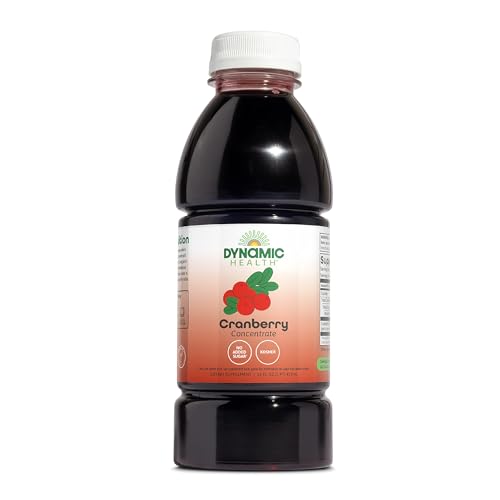
Dynamic Health

DYNAMIC HEALTH 100% Cranberry Juice Concentrate, 16…

  • POTENT ANTIOXIDANT. Cranberries contain nutrients like vitamins C and E, plus the added power of the antioxidant quercetin. Antiox…
  • COUNT ON CRANBERRY. You’ve probably heard that cranberries are great for urinary tract health. That’s because of proanthocyanidins…
  • NO ADDED SUGAR. Our Cranberry Juice Concentrate is made without sweeteners or added sugar. It’s also Vegetarian, Gluten-Free, BPA-…

If you want to start with a reliable base, Dynamic Health 100% Cranberry Juice Concentrate is a solid choice. It’s unsweetened, so you control the sugar, and each bottle packs about 4,000 cranberries. That concentration means you can add a lot of flavor without thinning your batter.

can you bake with cranberry juice creative uses recipes

Why Bake with Cranberry Juice? (Flavor & Moisture)

Cranberry juice brings two things to baking: a bright, tart flavor and extra moisture. The tartness cuts through sweetness, which makes it perfect for balancing rich cakes or buttery scones. It also adds a subtle pink or red tint to your crumb, which looks lovely in muffins or a bundt cake.

Compared to water or milk, cranberry juice has more viscosity and sugar, so it creates a slightly denser, more tender crumb. You’ll notice this in recipes that call for water—swapping in cranberry juice gives you a more flavorful result without changing the texture much.

One caveat: pure cranberry juice is naturally astringent. If you use the unsweetened kind, you’ll need to add extra sugar or pair it with sweeter ingredients like orange zest or vanilla. The concentrate from Dynamic Health is especially potent, so a little goes a long way.

The Science: How Cranberry Juice Affects Your Batter

Baking is chemistry, and cranberry juice is a reactive ingredient. Its acidity and sugar content interact with your leavening agents and other liquids in predictable ways. Understanding that helps you avoid flat cakes or bitter aftertastes.

Acidity and Leavening Agents

Cranberry juice has a pH around 2.5–3.0, which is similar to lemon juice. That acidity reacts with baking soda (sodium bicarbonate) to produce carbon dioxide gas—the same reaction that makes buttermilk pancakes fluffy. If your recipe already calls for buttermilk or yogurt, you can swap in cranberry juice and keep the same amount of baking soda.

But if your recipe uses baking powder, which already contains an acid, adding cranberry juice can throw off the balance. Too much acid can neutralize the baking powder’s second rise, leaving your cake dense. Solution: reduce the baking powder by about ¼ teaspoon for every cup of cranberry juice you add, and add ¼ teaspoon of baking soda to compensate.

For example, a standard muffin recipe with 2 cups flour and 1 cup milk uses 2 teaspoons baking powder. If you replace the milk with cranberry juice, cut the baking powder to 1½ teaspoons and add ½ teaspoon baking soda. This gives you the lift you need without a metallic taste.

Sugar Adjustments for Tartness

Unsweetened cranberry juice has about 4 grams of natural sugar per cup, whereas sweetened juice can have 25–30 grams. That difference changes how much additional sugar your recipe needs. If you’re using unsweetened juice, add 2–3 tablespoons of sugar per cup of juice to keep the sweetness balanced.

Pure cranberry juice is also more tart than orange juice or apple juice. In a recipe that calls for those, reduce the sugar by about 10% to avoid an overly sweet result. Taste your batter—if it’s too sharp, add a pinch of salt or a drizzle of honey.

How to Substitute Cranberry Juice in Any Recipe

You can replace water, milk, or other liquids in most baked goods with cranberry juice, but the ratio isn’t always 1:1. Here’s a practical guide:

  • Replace water: Use the same amount of cranberry juice. Water has no flavor, so you’re only adding taste and a bit of sugar.
  • Replace milk: Use ¾ cup cranberry juice plus ¼ cup water (or milk) per cup of milk. Milk adds fat and protein, which affect tenderness. Cranberry juice alone can make the crumb slightly drier.
  • Replace buttermilk: Use equal parts cranberry juice and plain yogurt or sour cream. That keeps the acidity and adds the necessary fat.
  • Replace orange juice: Use equal parts, but reduce the sugar by 10–15% because cranberry is less sweet.

For a quick guide, here’s a comparison table:

Original Liquid Cranberry Juice Swap Adjustments
Water 1:1 Add 2–3 tbsp sugar if using unsweetened
Milk ¾ cup juice + ¼ cup milk/water Add 1 tbsp melted butter for fat
Buttermilk ½ cup juice + ½ cup yogurt Keep baking soda amount same
Orange juice 1:1 Reduce sugar by 10%
Apple juice 1:1 Add 1 tsp lemon juice for tartness

One note: cranberry juice concentrate (like the Dynamic Health product) is much stronger than bottled juice. If you use concentrate, dilute it with water according to the label, then measure. Otherwise, you’ll get an overly intense flavor and a very acidic batter.

Sweet Baked Goods: Cakes, Muffins, and Scones

Now let’s put that substitution knowledge to work. These recipes show how cranberry juice shines in classic sweets.

Cranberry Orange Breakfast Muffins

These muffins use cranberry juice for both flavor and moisture. You’ll need:

  • 2 cups all-purpose flour
  • ½ cup sugar
  • 2 tsp baking powder
  • ½ tsp baking soda
  • ½ tsp salt
  • 1 cup cranberry juice (unsweetened)
  • ¼ cup vegetable oil
  • 1 large egg
  • Zest of 1 orange

Mix dry ingredients in one bowl, wet in another. Combine gently—don’t overmix. Bake at 375°F for 18–20 minutes. The orange zest brightens the tartness, and the baking soda helps neutralize the acid.

These muffins stay moist for three days, thanks to the juice’s natural sugars.

Glazed Cranberry Bundt Cake

For a showstopper, use cranberry juice in both the cake and the glaze. The cake uses a standard pound cake base, but replace half the milk with cranberry juice. Bake at 350°F for 55–60 minutes. While it cools, make a glaze by simmering 1 cup cranberry juice with ¼ cup sugar until reduced by half. Drizzle over the warm cake.

The glaze sets into a shiny, tart coating that contrasts beautifully with the buttery crumb. It’s not too sweet, which makes it perfect for afternoon coffee.

Savory Baking: Breads and Glazes

Cranberry juice isn’t just for desserts. Its acidity and fruitiness can elevate savory bakes, too.

Cranberry Juice Glazed Ham

This isn’t a baked good per se, but it’s a classic use. Combine 1 cup cranberry juice, ½ cup brown sugar, and 1 tablespoon Dijon mustard. Brush over a fully cooked ham during the last 30 minutes of baking. The glaze caramelizes into a sticky, tangy crust that pairs with the salty ham.

You can also use this glaze on roasted chicken or pork chops. Just reduce the juice first to concentrate the flavor.

Savory Cranberry Focaccia

Focaccia dough loves a little acidity—it helps develop gluten and adds flavor. Replace the water in your favorite focaccia recipe with cranberry juice (about 1½ cups). The dough will be slightly pink, and the finished bread will have a subtle fruitiness that works with rosemary and sea salt.

Bake at 425°F for 20–25 minutes. The juice doesn’t make it sweet; it just adds complexity. If you’re skeptical, start with half juice and half water.

Creative Uses: Reductions, Syrups, and Frosting

Beyond batter, cranberry juice can be transformed into components that elevate any bake.

Reduction: Simmer 2 cups of cranberry juice until it’s about ½ cup. This makes a concentrated syrup that’s perfect for drizzling over cheesecake or ice cream. It thickens as it cools, so don’t over-reduce.

Frosting: Replace the liquid in a buttercream with cranberry reduction. Use 2 tablespoons of reduction instead of milk. The frosting will be pale pink with a tart kick that cuts the butter’s richness.

Natural food coloring: Cranberry juice can tint icing or dough pink, but it’s not as strong as artificial dyes. If you want a deeper color, use the concentrate directly—just be aware it’s very tart. You can also mix it with a bit of beet powder for a more vibrant hue.

One thing I’ve found: cranberry syrup makes an excellent glaze for donuts or cinnamon rolls. Just brush it on warm pastries—it seeps in and adds moisture.

Troubleshooting: Fixing Bitterness and Texture Issues

Baking with cranberry juice isn’t always smooth. Here are the common problems and how to fix them.

Bitterness: Pure cranberry juice has a bitter edge, especially if you reduce it. Counteract it with a pinch of salt or a teaspoon of honey. If your glaze tastes bitter, add a little orange zest or a splash of vanilla extract.

Dense texture: If your cake doesn’t rise, your leavening was off. Check the baking soda/powder balance. Also, don’t overmix the batter—cranberry juice can make gluten develop faster, leading to toughness.

Too tart: Add more sugar, but not all at once—taste as you go. Alternatively, pair with a sweet component like a cream cheese frosting or a streusel topping.

Gummy crumb: This happens when you use too much juice and not enough structure. Increase the flour by 2 tablespoons per cup of juice, or add an extra egg.

If you’re dealing with a recipe that calls for lemon juice and you’re out, you can often swap in cranberry juice instead—check out this guide on replacing lime juice with lemon for similar substitution logic.

Storage Tips for Cranberry Juice Baked Goods

Baked goods with cranberry juice tend to stay moist longer than those made with water, but they also spoil faster because of the natural sugars. Here’s how to store them:

  • Room temperature: Keep in an airtight container for up to 3 days. Muffins and quick breads are fine, but anything with a glaze should be refrigerated.
  • Refrigerator: Extends shelf life to 5–7 days. Wrap in plastic wrap to prevent drying.
  • Freezer: Most cranberry juice baked goods freeze well for up to 3 months. Wrap tightly in foil or a freezer bag. Thaw at room temperature for a few hours.

One tip: if you’re freezing muffins, do it before adding any glaze. The glaze can get soggy when thawed.

For more substitution ideas, see how lime juice swaps work in canning—similar principles apply to baking.

Frequently Asked Questions

Can I use cranberry juice instead of water in a boxed cake mix?

Yes. Replace the water with the same amount of cranberry juice. You might need to add 1–2 tablespoons of sugar if the juice is unsweetened. The cake will be more flavorful and slightly denser.

Does cranberry juice make baked goods pink?

It gives a subtle pink or lavender tint, depending on the amount. For a stronger color, use cranberry juice concentrate or add beet powder. The color can fade during baking, so don’t expect a vibrant red.

Can I use cranberry juice in yeast bread?

Yes, but watch the sugar content. Yeast feeds on sugar, so too much can make the dough rise too fast. Use unsweetened juice and reduce the added sugar in the recipe. The acidity actually helps strengthen the gluten.

How do I prevent cranberry juice from making my cake bitter?

Bitterness comes from the tannins in cranberries. Balance it with sweetness—add a little more sugar than you think you need, or pair with orange zest. A pinch of salt also helps mask bitterness.

Can I reduce cranberry juice to make a syrup for baking?

Yes. Simmer it over medium heat until it reduces by half or more. The syrup will thicken as it cools. Use it as a glaze, a frosting liquid, or a drizzle for baked fruit.

What to Remember Next Time You Bake

  • Use unsweetened cranberry juice for control over sweetness, or account for the sugar in sweetened versions.
  • Adjust leavening: add a bit of baking soda to neutralize acidity, and reduce baking powder slightly.
  • Substitute cranberry juice for water at a 1:1 ratio, but for milk, use ¾ juice + ¼ milk or water.
  • Add 2–3 tablespoons of extra sugar per cup of unsweetened juice to balance tartness.
  • Use cranberry juice reductions for glazes and frostings—just watch for bitterness.
  • Store baked goods in an airtight container; freeze without glaze for best results.
  • Experiment with savory bakes like focaccia—the acidity improves texture and adds a subtle fruit note.

Baking with cranberry juice is a small change that pays off in flavor and moisture. Start with a simple muffin recipe, and you’ll quickly see how versatile it is. And if you’re ever low on lemon juice, cranberry can step in—check this lemon juice substitution guide for more ideas.