You pour a glass of cranberry juice thinking you’re doing something good for your immune system. The label shows a bottle of pure juice, and the tart taste feels healthy. But if you actually check the nutrition facts, the vitamin C number might surprise you. It’s often lower than what you’d get from a single orange.
That doesn’t mean cranberry juice is worthless. It means most people misunderstand what they’re drinking. This article digs into the real vitamin C content, why the form matters more than the total milligrams, and how your storage habits quietly destroy the vitamin before you even sip it.
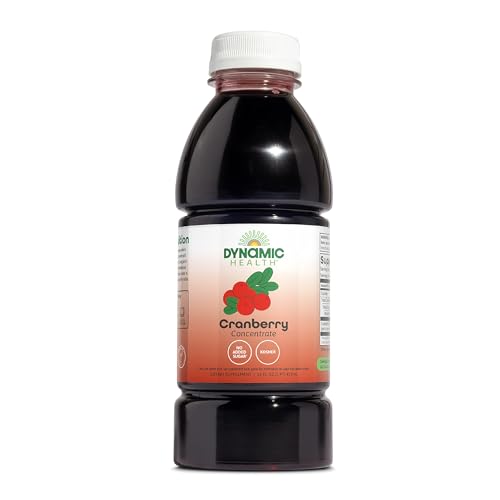
Dynamic Health
DYNAMIC HEALTH 100% Cranberry Juice Concentrate, 16…
- POTENT ANTIOXIDANT. Cranberries contain nutrients like vitamins C and E, plus the added power of the antioxidant quercetin. Antiox…
- COUNT ON CRANBERRY. You’ve probably heard that cranberries are great for urinary tract health. That’s because of proanthocyanidins…
- NO ADDED SUGAR. Our Cranberry Juice Concentrate is made without sweeteners or added sugar. It’s also Vegetarian, Gluten-Free, BPA-…
You’ll walk away knowing exactly where cranberry juice fits in your daily intake, and where it doesn’t.
If you want a product that packs a serious amount of cranberry goodness without the sugar, Dynamic Health 100% Cranberry Juice Concentrate is a solid option. It’s a concentrated juice with no added sugar, and each bottle contains the equivalent of roughly 4,000 cranberries. Just remember to dilute it before drinking.

The Exact Vitamin C Numbers (And Why They’re Lower Than You Think)
Let’s get the numbers on the table. A standard 8-ounce (240 ml) serving of 100% pure cranberry juice contains about 23.5 milligrams of vitamin C. That’s roughly 26% of the recommended daily value (DV) for adults, which sits at 90 mg for men and 75 mg for women.
Compare that to orange juice. The same 8-ounce glass of orange juice delivers around 124 mg of vitamin C — about five times more. So if you’re chasing vitamin C specifically, cranberry juice loses that race by a wide margin.
But here’s the catch: the number on the label assumes fresh, just-opened juice. Real-world conditions change that number fast. Light exposure, heat, and oxygen all degrade ascorbic acid. That 23.5 mg can drop to 15 mg or less after a week in your refrigerator door.
Another factor is the type of juice. Cranberry juice cocktail — the sweetened stuff most people actually drink — often contains only 30% real juice. The rest is water and added sugar. That dilution cuts the vitamin C content down to roughly 9-10 mg per serving. You’d need to drink four glasses of cocktail to match one glass of pure juice.
Fresh cranberries themselves are the real champions. A cup of raw cranberries holds about 14 mg of vitamin C. But almost no one eats raw cranberries because they’re intensely bitter. That’s why juice became the default delivery method.
Why Bioavailability Matters More Than Milligrams
Here’s where the conversation gets interesting. The vitamin C in cranberry juice is highly bioavailable. Your body absorbs it efficiently because cranberries contain natural compounds that protect the vitamin during digestion.
Most vitamin C supplements use ascorbic acid, which is isolated and synthetic. Your body absorbs it well, but it’s also flushed out quickly. The vitamin C in whole cranberry juice comes with flavonoids and other polyphenols that slow down metabolism and improve retention in your tissues.
One study found that the antioxidant capacity of cranberry juice in your bloodstream peaks about two hours after drinking it. That’s comparable to a supplement, but the cranberry version brings along proanthocyanidins (PACs) — the compounds famous for urinary tract health. You’re getting two benefits for the price of one.
So while the milligram count is modest, the effective absorption is strong. A small amount of vitamin C that actually reaches your cells beats a large amount that passes through your system unused. This is the part most nutrition articles miss.
The practical takeaway: if you’re using cranberry juice for immune support, don’t obsess over the label. The bioavailability compensates for the lower dose.
Pure Juice vs. Cocktail: The Sugar Penalty That Kills the Benefit
This is the biggest trap in the juice aisle. Cranberry juice cocktail contains added sugar — and a lot of it. A typical 8-ounce serving of cocktail packs about 28 grams of added sugar. That’s seven teaspoons.
Here’s why that matters for vitamin C. High sugar intake triggers a spike in blood glucose, which causes your body to release insulin. Insulin drives glucose into cells, but it also increases oxidative stress. The vitamin C you just consumed gets used up fighting that oxidative stress instead of supporting your immune system.
In short, the sugar negates the benefit. You’re not getting ahead; you’re treading water.
The glycemic load tells the story. Pure unsweetened cranberry juice has a low glycemic load of around 6. Cranberry juice cocktail jumps to 18-20. For context, a can of cola has a glycemic load of about 16. You’re basically drinking soda with a splash of cranberry flavor.
If you want the vitamin C and the PACs without the sugar penalty, look for 100% pure juice or a concentrate. You can always dilute it yourself with water to manage the tartness. This is exactly why a product like Dynamic Health’s unsweetened concentrate makes sense — you control the sweetness, not the manufacturer.
For a deeper look at how cocktail differs from pure juice, check out our breakdown on cranberry juice vs cocktail.
How Processing (Pasteurization vs. Cold-Pressed) Destroys or Saves Vitamin C
Vitamin C is fragile. It’s heat-sensitive, light-sensitive, and oxygen-sensitive. The way cranberries are processed determines how much vitamin C survives to reach your glass.
Most commercial cranberry juices are pasteurized. The juice is heated to about 160-185°F for 15-30 seconds to kill bacteria and extend shelf life. This process destroys a significant portion of the vitamin C — typically 20-30%.
Cold-pressed juices skip the heat. They use high-pressure processing (HPP) instead, which applies cold water pressure to eliminate pathogens. HPP preserves vitamin C much better, keeping 90-95% of the original content intact.
The trade-off is shelf life. Cold-pressed juice lasts about 5-7 days in the fridge. Pasteurized juice can sit on a shelf for months. You’re trading convenience for nutrition.
Concentrates sit somewhere in between. The concentration process involves heating the juice to remove water, which does degrade some vitamin C. But because the concentrate is then reconstituted with water at home, you’re getting a fresher product than something that sat in a warehouse for six months.
My honest opinion: fresh-squeezed or cold-pressed is best if you can find it. But the pasteurized stuff isn’t worthless — it still delivers on PACs, which are more heat-stable than vitamin C.
The Storage Clock: How Long Does Vitamin C Last in Your Fridge?
You opened the bottle three weeks ago. You’re still drinking it. Here’s what happened to the vitamin C in that time.
An unopened bottle of pasteurized cranberry juice retains its labeled vitamin C content for about 6-9 months. But the clock starts ticking the moment you break the seal. Oxygen enters the bottle, and light hits the juice every time you open the fridge door.
Research on orange juice — which behaves similarly — shows that vitamin C degrades by about 2% per day in an opened container stored in the fridge. At that rate, you lose roughly 25% of the vitamin C within two weeks. After a month, you’ve lost nearly half.
Here’s what you can do to slow the clock:
- Store the bottle in the back of the fridge, not the door. The door experiences temperature swings every time it opens.
- Keep the cap tightly sealed. Oxygen is the enemy.
- Buy smaller bottles. A 16-ounce bottle you finish in a week beats a 64-ounce jug that sits for a month.
- If you buy a concentrate, mix only what you’ll drink in 2-3 days. Store the concentrate itself in a dark, cool cabinet.
Light exposure is often underestimated. One study found that vitamin C in a clear glass bottle degraded 50% faster than in an opaque container. That’s why most quality juices come in dark or opaque packaging.
Cranberry Juice vs. Orange Juice vs. Supplements: The Real Winner
Let’s put them side by side.
| Source | Vitamin C per 8 oz / dose | Bioavailability | Extra Benefits | Sugar Content |
|---|---|---|---|---|
| Cranberry Juice (pure) | 23.5 mg | High | PACs for urinary tract, quercetin | 0 g (natural only) |
| Cranberry Juice Cocktail | 9-10 mg | Moderate | Fewer PACs due to dilution | 28 g added |
| Orange Juice | 124 mg | High | Folate, potassium, hesperidin | 21 g natural |
| Vitamin C Supplement (500 mg) | 500 mg | Moderate | None beyond the vitamin | 0 g |
Orange juice wins on pure vitamin C quantity. No contest there. But cranberry juice brings PACs, which no other common juice provides. PACs are the reason cranberry juice is associated with urinary tract health — they prevent bacteria from adhering to the bladder wall.
Supplements give you a massive dose, but they lack the synergistic compounds found in whole fruit. Some research suggests that the antioxidant effect of vitamin C from food sources lasts longer in the body than from isolated supplements.
So what’s the real answer? It depends on your goal. If you’re fighting a cold and want a vitamin C megadose, drink orange juice. If you’re thinking about urinary tract health and want moderate immune support, cranberry juice is the smarter pick. They aren’t competing for the same job.
You could also combine them — a splash of cranberry concentrate in orange juice creates a surprisingly balanced drink that covers both bases.
The Iron Absorption Hack: Pairing Cranberry Juice with Meals
Here’s a practical tip that most nutrition guides skip. Vitamin C dramatically increases the absorption of non-heme iron — the type of iron found in plants. This matters if you’re vegetarian, vegan, or prone to anemia.
Non-heme iron from spinach, lentils, beans, and fortified grains has an absorption rate of only 2-20%. Your body struggles to pull it in. But when vitamin C is present in the same meal, that absorption rate can jump by up to 67%.
The mechanism is simple: vitamin C reduces ferric iron to ferrous iron, which your intestinal cells can actually transport. It also prevents iron from binding to phytates and tannins, which would otherwise block absorption.
So drink a small glass of cranberry juice with your lentil soup or spinach salad. You don’t need much — 25 mg of vitamin C (one glass of pure cranberry juice) is enough to trigger the effect. Just avoid drinking it with tea or coffee, since the tannins in those drinks fight against iron absorption.
This is a genuinely useful hack for anyone who struggles with low energy or has been told their iron levels are borderline. It’s not a substitute for iron supplements, but it makes your food work harder.
Safety, Drug Interactions, and Who Should Avoid It
Cranberry juice is safe for most people, but it’s not for everyone. Let’s talk about the real risks, not the internet scare stories.
The most documented interaction is with warfarin (Coumadin), a blood thinner. Cranberry juice contains vitamin K, which plays a role in blood clotting. More importantly, some compounds in cranberries may inhibit the enzyme that metabolizes warfarin, causing the drug to build up in your blood. That raises your risk of bleeding.
The evidence is mixed — some studies show a significant interaction, others show none. But the FDA has issued warnings, and most doctors advise patients on warfarin to avoid cranberry juice entirely. If you’re on this medication, talk to your doctor before making cranberry juice a habit.
Other interactions to consider:
- Cranberry juice may increase the absorption of certain antibiotics, particularly amoxicillin. This isn’t necessarily dangerous, but it can alter the drug’s effectiveness.
- High oxalate levels in cranberries can contribute to kidney stones in people prone to calcium oxalate stones. If you’ve had kidney stones before, moderate your intake.
- People with gastroesophageal reflux disease (GERD) may find the acidity of cranberry juice triggers heartburn.
For everyone else, moderate consumption — 8-16 ounces per day — is generally fine. Just remember that pure juice is acidic, and drinking it constantly can erode tooth enamel. Use a straw or rinse your mouth with water afterward.
The Final Verdict: Is It a ‘Good’ Source?
Here’s my honest take after looking at the data.
Cranberry juice is a good source of vitamin C, but not a great one. It provides about a quarter of your daily needs per serving, which is respectable. But it’s not going to replace orange juice or a supplement if you’re specifically trying to correct a deficiency.
The real value of cranberry juice lies in the combination of compounds. You get vitamin C, PACs, quercetin, and other antioxidants working together. That synergy is something you can’t replicate with a pill.
The biggest mistake people make is drinking cranberry juice cocktail and assuming they’re getting the same benefits as pure juice. They’re not. The added sugar undermines the vitamin C and adds empty calories.
If you want cranberry juice for its health properties, buy pure, unsweetened juice or a concentrate like the Dynamic Health option. Dilute it to taste. Store it properly. Drink it within a week of opening.
It’s not a miracle food. But as part of a varied diet, it’s a legitimately useful addition — especially if you’re interested in urinary tract health and immune support in one glass.
For more on why added vitamin C in juices isn’t always the win it seems, check out our piece on vitamin C additives in juice.
Frequently Asked Questions
Does cranberry juice have more vitamin C than orange juice?
No. Orange juice has roughly five times more vitamin C than cranberry juice. An 8-ounce glass of orange juice contains about 124 mg, while the same amount of pure cranberry juice has around 23.5 mg.
Is cranberry juice cocktail a good source of vitamin C?
Not really. Cocktail is typically only 30% real juice, so the vitamin C content drops to about 9-10 mg per serving. The added sugar also creates oxidative stress that uses up the vitamin C you do consume.
Does boiling cranberry juice destroy the vitamin C?
Yes. Heat degrades ascorbic acid. Boiling cranberry juice or making a hot cranberry drink will destroy 20-40% of the vitamin C content. If you want a warm drink, heat it gently and don’t let it boil for more than a minute.
Can I take vitamin C supplements with cranberry juice?
You can, but it’s usually unnecessary. The juice already provides a bioavailable form of vitamin C. Adding a supplement on top won’t hurt, but you’ll likely just excrete the excess in your urine. Your body can only use so much at once.
How much cranberry juice should I drink daily for health benefits?
For urinary tract health, studies typically use 8-10 ounces of pure juice per day. For general vitamin C intake, 4-8 ounces is enough to contribute meaningfully without overloading on sugar or acidity. Don’t exceed 16 ounces daily unless you enjoy frequent bathroom trips.
What You Can Actually Use From This
- Check the label: if it says ‘cocktail’ or ‘juice drink’, it’s watered down and sugared up. Look for 100% pure juice.
- One 8-ounce glass of pure cranberry juice gives you about 26% of your daily vitamin C — enough to matter, not enough to rely on alone.
- Drink cranberry juice with iron-rich plant meals to boost iron absorption by up to 67%.
- Store opened juice in the back of the fridge and finish it within two weeks. After a month, half the vitamin C is gone.
- Don’t mix cranberry juice with warfarin. The interaction risk is real.
- Dilute pure cranberry juice with sparkling water if the tartness is too much. You control the flavor, not the manufacturer.
- If you’re choosing between cranberry and orange juice for vitamin C, orange wins on quantity. Choose cranberry for the PACs and urinary tract benefits.


