Say you usually drink two cups of coffee a day, providing about 190 mg of caffeine, but want to reduce your intake due to sensitivity or health reasons. Exploring alternatives can help maintain your energy without the typical caffeine side effects.
Understanding what caffeine alternatives are and how they work will help you choose drinks or supplements that fit your needs, whether you want a mild lift or a sugar-free boost.
What Are Caffeine Alternatives for Energy and How Do They Work
Caffeine alternatives for energy do exist and can provide alertness with fewer side effects than caffeine. These include natural compounds like L-theanine, herbal teas, and low-caffeine or caffeine-free beverages. They generally support energy by promoting focus and wakefulness without the jitters or crashes linked to caffeine.
Energy drink alternatives often contain these caffeine substitutes or other ingredients that promote alertness differently. Unlike caffeine, which stimulates the central nervous system directly, many alternatives work by modulating brain chemistry more gently or improving hydration and blood flow.
Common natural alternatives include L-theanine, found in tea leaves, which can smooth caffeine’s effects or act alone to support calm focus. Herbal teas such as ginseng or peppermint provide mild stimulation or refreshment without caffeine. Synthetic options may include guarana or yerba mate, which have lower or slower-release caffeine content.
These alternatives usually contain significantly less caffeine than popular energy drinks. For example, a 12 oz can of Red Bull has about 111 mg of caffeine, while many herbal teas have none, and L-theanine supplements contain no caffeine but improve alertness through different pathways.
| Drink | Serving Size | Caffeine Content (mg) |
|---|---|---|
| Red Bull Energy Drink | 12 oz | 111 |
| Green Tea | 8 oz | 25-35 |
| Herbal Tea (Peppermint) | 8 oz | 0 |
| L-Theanine Supplement | 1 softgel | 0 |
Safety is generally better with caffeine alternatives, though some people should limit their intake. Those sensitive to stimulants, pregnant or breastfeeding women, and individuals with certain heart conditions may need to avoid or restrict caffeine and some herbal stimulants. Always check with your healthcare provider if unsure.
Unlike caffeine’s quick spike and fall in energy, many alternatives produce a steadier, milder effect. L-theanine, for example, promotes relaxation without drowsiness and can balance jittery feelings from caffeine rather than replace it entirely.
Check the Label for Hidden Caffeine and Added Sugars
Many energy shots and drinks contain hidden caffeine and added sugars that can affect your energy and health. Red Bull, for example, has about 111 mg of caffeine per 12 oz can, a level that can cause jitters or a crash if consumed in excess.

Caffeine in Red Bull and similar energy shots comes not only from caffeine itself but sometimes from guarana, taurine, or other stimulants listed on the label that add to total caffeine content. Reading the ingredient list is crucial to understand how much caffeine you are actually consuming.
Added sugars in these drinks provide quick calories and a temporary energy boost but can lead to energy crashes and long-term health risks like weight gain and blood sugar spikes. For example, a 12 oz can of Red Bull contains about 27 grams of sugar, close to the upper daily limit recommended for women.
| Drink | Serving Size | Caffeine (mg) | Added Sugar (g) |
|---|---|---|---|
| Red Bull | 12 oz | 111 | 27 |
| Mio Energy (some flavors) | 1 tsp | 60-100 | 0 |
| Herbal Tea | 8 oz | 0 | 0 |
| Sports Drink (no caffeine) | 20 oz | 0 | 21 |
Energy shots often pack caffeine in small volumes; a 2 oz Red Bull Energy Shot can have about 80 mg of caffeine, concentrated in a quick dose that may cause a rapid spike in alertness but also side effects.
If you already drank one with hidden caffeine and feel jittery or anxious, drink water and wait a few hours for effects to wear off. Switching to caffeine-free or low-sugar options can help avoid this in the future.
Knowing the caffeine in Red Bull and its alternatives helps you choose safer options that fit your energy needs without overdoing it. Herbal teas and sugar-free flavored waters are good choices for steady hydration and gentle alertness.
Try Herbal and Natural Drinks That Provide Gentle Energy
Herbal and natural drinks can offer a gentle boost of energy without the buzz of caffeine. For example, tonic water contains no caffeine but has quinine, which might slightly stimulate alertness. Unsweetened tea, like black or green, does contain caffeine—typically about 20 to 50 mg per 8 oz cup—while herbal teas such as peppermint, rooibos, and ginseng are naturally caffeine-free or very low in caffeine.

Orange juice has no caffeine, so it won’t provide the typical stimulant effect, but its natural sugars and vitamin C can help you feel more awake. However, acidic or sugary drinks such as orange juice and tonic water can aggravate acid reflux or diabetes, so they may not be suitable for everyone.
Natural compounds in herbal teas may support alertness through subtle mechanisms. Ginseng is believed to enhance mental performance and reduce fatigue, while peppermint aroma can improve focus and mood. Rooibos offers antioxidants that may support overall wellness but doesn’t stimulate the nervous system.
If you are sensitive to acidity or managing blood sugar, avoid or limit fruit juices and tonic water. Unsweetened herbal teas are a safer choice for sustained hydration and gentle energy, especially during cold and flu season when soothing warmth helps comfort.
| Drink | Typical Caffeine Content per 8 oz |
|---|---|
| Tonic water | 0 mg |
| Unsweetened black or green tea | 20–50 mg |
| Peppermint or Rooibos tea | 0 mg |
| Orange juice | 0 mg |
Consider Supplements Combining L-Theanine and Caffeine for Focus
L-theanine is an amino acid found in tea leaves that can smooth out caffeine’s stimulating effects. Combining L-theanine with caffeine reduces jitters and improves focus, making it a popular choice for people who need clear, steady energy.
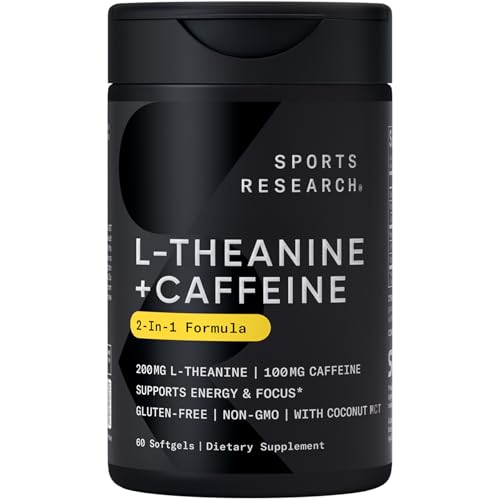
Many supplements pair around 100 mg of caffeine with 200 mg of L-theanine per serving. This balance helps promote alertness without the nervousness or crash some people feel after caffeine alone. Typical doses are safe for most adults when taken as directed.
For example, Sports Research® L-Theanine + Caffeine softgels provide 100 mg of organic caffeine from green coffee beans plus 200 mg of highly purified L-theanine in one convenient softgel. This combination supports mental and physical productivity, ideal for work, study, or gaming.
The caffeine content in one serving of Sports Research L-Theanine + Caffeine is similar to a cup of coffee but with less likelihood of anxiety or overstimulation. For comparison, Mio Energy products vary, but their caffeine content usually ranges from about 60 to 100 mg per serving, sometimes combined with other stimulants.
Balance Acidity and Hydration to Sustain Energy Safely
Monster Juice can give you a burst of energy primarily because it contains caffeine and sugar, which stimulate your nervous system and provide quick fuel. However, its acidity and sugar content might irritate sensitive stomachs and cause energy crashes later.
Acidic drinks like many energy beverages can aggravate acid reflux or upset your stomach. This happens because acid can irritate the lining of a sensitive digestive tract, making heartburn or discomfort worse.
Hydration is key to feeling alert and maintaining energy throughout the day. Dehydration reduces blood flow and oxygen to the brain, leading to tiredness and reduced concentration.
Seltzers offer a refreshing hydration option without caffeine, sugar, or acidity that can bother your stomach. Their carbonation can feel energizing without the downsides of sweetened or acidic drinks.
People with reflux, gastritis, or sensitive stomachs should limit acidic and sugary drinks to avoid flare-ups. Also, those managing blood sugar or weight might want to watch out for added sugars common in energy drinks.
What to Do Next: Choosing and Using Caffeine Alternatives Safely
Red Bull and Monster Energy differ in caffeine content: an 8.4 oz Red Bull has about 80 mg of caffeine, while a 16 oz Monster Energy can have around 160 mg, roughly double the caffeine in Red Bull.
Set your caffeine limit based on your health, medication, and sensitivity. Most healthy adults can handle up to 400 mg daily, but if you have reflux, anxiety, or take certain medicines, your safe limit may be lower.
Start by trying low-caffeine or caffeine-free alternatives like herbal teas or seltzers. These let you gauge your body’s response without risking overstimulation or digestive upset.


