Best Drip Coffee and Espresso Maker: Top 5 All-in-One Picks
On this page 9 sections
- Quick Comparison
- Top 5 Drip Coffee and Espresso Makers
- How to Choose a Drip Coffee and Espresso Maker
- Best for Most People: The All-in-One Barista System
- When You Need More Cups: Large Capacity Coffee Makers
- Fresh Ground Flavor: Coffee Makers with Built-in Grinders
- Quiet Coffee Makers for Early Mornings
- Before You Buy: A Quick Checklist
- More Questions, Answered
Quick Comparison
| Rank | Model | Best for | Brew styles | Capacity | Grinder | Price |
|---|---|---|---|---|---|---|
| 1 | Chock Full o’ Nuts New York Roast Ground CoffeeBest for Most People | A smooth, intense cup without bitterness, brewed your way. | Drip, pour-over, percolator | 30.5 oz can | — | Check price |
| 2 | Maxwell House Original Roast Ground CoffeeSmooth Medium Roast | A classic, full-bodied medium roast that’s easy to drink all day. | Drip | 27.5 oz canister | — | Check price |
| 3 | Amazon Fresh Colombia Ground CoffeeBalanced Colombian | A balanced, full-bodied medium roast with a smooth finish. | Drip | 32 oz bag | — | Check price |
| 4 | Folgers Classic Roast Ground CoffeeRobust Yet Smooth | A rich medium roast with robust flavor that’s easy to drink. | Drip | 25.9 oz canister | — | Check price |
| 5 | Dunkin’ Original Blend Ground CoffeeEasy Drinking | A rich, smooth medium roast that’s great hot or iced. | Drip, iced | 30 oz canister | — | Check price |
Choosing the wrong machine means lukewarm espresso, weak drip coffee, or a bulky appliance that hogs the counter. A good all-in-one should brew both styles at the proper temperature and pressure, without demanding a barista’s skill.
This guide compares five drip coffee and espresso makers that actually deliver. You’ll find the best pick for most kitchens, a large-capacity option, a self-grinding model, and a quiet machine for early mornings.
Top 5 Drip Coffee and Espresso Makers

Chock Full o’ Nuts New York Roast Ground Coffee

Maxwell House Original Roast Ground Coffee
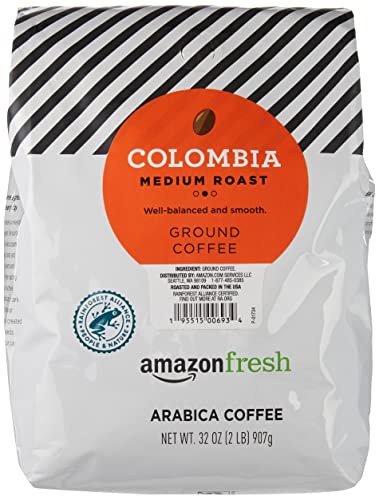
Amazon Fresh Colombia Ground Coffee

Folgers Classic Roast Ground Coffee

Dunkin’ Original Blend Ground Coffee
How to Choose a Drip Coffee and Espresso Maker
The best drip coffee and espresso maker for you depends on three things: the brew styles you actually drink, how many cups you make at once, and how much noise you can live with at 6 a.m. Start there, and the rest of the specs fall into place.
Brew styles come first. A true all-in-one machine handles drip coffee, espresso, and often single-serve pods or capsules. If your household splits between a full carafe and one quick cup, look for a machine that does both. If cold brew matters to you, check whether the maker has a dedicated cold brew setting or if you’ll need a separate pitcher.
Capacity is next. A 10-cup carafe covers a family breakfast; a single-serve side covers the one person who leaves early. Large capacity coffee makers with a 12- or 14-cup carafe make sense for holiday gatherings or a full house. If you rarely brew more than two cups, a smaller machine saves counter space.
Grinders add fresh flavor but also noise and cleaning. Coffee makers with grinder built in give you whole-bean freshness without a separate appliance. The trade-off: the grinder runs for 15–30 seconds before brewing, and you’ll need to clean the chute and burrs regularly. If you already own a grinder, a simpler brewer may be quieter and easier to maintain.
| Feature | What to check | Why it matters |
|---|---|---|
| Brew styles | Drip, espresso, single-serve, cold brew | Matches your daily habits |
| Capacity | Carafe size and single-serve option | Covers family or solo use |
| Grinder | Built-in vs separate | Freshness vs noise and cleaning |
| Frother | Built-in, hands-free or manual | Cappuccinos and lattes |
| Noise | Decibel rating or quiet mode | Early mornings without waking the house |
| Filter type | Cone vs flat-bottom | Cone often gives a richer drip brew |
Frothers turn espresso into cappuccinos and lattes. A built-in frother is convenient; check whether it’s hands-free or you have to hold the pitcher. If you only drink black coffee, skip the frother and save counter space.
Noise is the spec most people forget until the first morning. Quiet coffee makers are worth the search if bedrooms share a wall with the kitchen. Look for a low decibel rating or a dedicated quiet mode, and read reviews that mention early-morning use.
Filter type changes the cup. Cone filters often produce a richer, more extracted drip coffee than flat-bottom filters because the water flows through a deeper bed of grounds. If you prefer a bolder cup, a cone filter is a small detail that makes a difference.
 Caffeine & Sugar Drink GuideKnow exactly how much caffeine, sugar and sodium is in 150+ popular drinks, and set daily limits that fit you.Caffeine and sugar in 150+ drinksDaily limits, smart swaps and a cut-back planDaily caffeine and sugar calculator (Excel)
Best for Most People: The All-in-One Barista System
For most households, the Ninja Espresso & Coffee Maker & Barista System is the best drip coffee and espresso maker because it covers the full range without taking over the counter. It brews a full carafe of drip coffee, pulls three espresso styles, and accepts single-serve pods or Nespresso capsules, so every coffee drinker in the house gets what they want.
The machine’s strength is its flexibility. Drip coffee comes in classic, rich, and over-ice brew styles, while the espresso side handles espresso, lungo, and ristretto. The built-in frother steams milk for cappuccinos and lattes without a separate appliance. If you want a coffee maker with grinder and K cup compatibility, note that this Ninja does not have a built-in grinder, but it does work with both standard K-Cup-style pods and Nespresso capsules, which covers most single-serve needs.
At 13.63 pounds, it’s light enough to slide out from under a cabinet when you need it and push back when you’re done. The compact design leaves room for a grinder or a bag of coffee beans on the same counter, which matters in a small kitchen. For most people who want one machine instead of three, this is the pick.
When You Need More Cups: Large Capacity Coffee Makers
A large capacity coffee maker brews 12 to 14 cups instead of the standard 10, so it suits families, parties, and holiday mornings when the pot empties fast. Most 12-cup models hold about 60 oz of water, while 14-cup machines hold roughly 70 oz. The extra reservoir means fewer refills between batches, which matters when guests keep pouring.
| Capacity | Typical water reservoir | Best for |
|---|---|---|
| 10 cups (standard) | 50 oz | 1–3 daily coffee drinkers |
| 12 cups | 60 oz | 4–6 people, small gatherings |
| 14 cups | 70 oz | Large families, events, holiday hosting |
Check the brew time before you buy. A full 14-cup batch can take 10 to 15 minutes, which is fine for a brunch buffet but slow if you’re waiting on a single cup. Some large machines offer a 1–4 cup setting that shortens the cycle for smaller brews.
For gatherings that last for hours, choose a thermal carafe over a glass pot on a hot plate. A thermal carafe keeps coffee hot for several hours without continuing to cook it, so the last cup tastes like the first. Glass carafes sit on a warming plate that can scorch coffee and leave a bitter edge after 30 minutes.
If you host big groups often, a dedicated 14-cup brewer beats brewing two rounds in a smaller machine. For daily use, a 12-cup model with a pause-and-serve feature lets you grab a cup mid-brew without a mess. You’ll also find large coffee makers for events in the same aisle as the best automatic drip coffee maker options, so compare the carafe style side by side.
Fresh Ground Flavor: Coffee Makers with Built-in Grinders
A coffee maker with a built-in grinder grinds whole beans right before brewing, which preserves the aromatics that fade within minutes of grinding. For drip coffee, that means a brighter cup with more distinct flavor notes. For espresso, a fresh grind is even more important because the fine particles lose gas quickly and can make a shot taste flat.
The trade-off is size, noise, and cleaning. A grinder adds about 3 to 4 inches of height and a second hopper to empty and wipe down. Burr grinders inside these machines are quieter than blade grinders but still loud enough to wake a light sleeper, so a self grinding coffee maker may not suit an open-plan kitchen.
Look for a drip coffee machine with grinder that offers at least three grind settings: coarse, medium, and fine. Coarse works for cold brew or a French press, medium for drip, and fine for espresso. If the machine only has one grind setting, it’s likely tuned for drip and won’t pull a proper espresso shot.
If you want more control over the grind size and dose, buy a separate burr grinder and pair it with a standard brewer. That setup gives you the same fresh-ground flavor without adding a grinder to the machine, and it’s easier to clean. For beans that work well in both drip and espresso, start with a best coffee beans for espresso maker list and pick a medium roast.
Quiet Coffee Makers for Early Mornings
A quiet coffee maker matters most when the first pot brews before the rest of the house wakes up. Three parts make the noise: the pump that pushes water through the grounds, the grinder if one is built in, and the steam wand on espresso combos. Look for a model with a low decibel rating or a manufacturer’s quiet brew setting, and skip the built-in grinder if quiet operation is the top priority. Grinding beans the night before takes one extra step but keeps the morning almost silent.
The pump on a standard drip machine runs around 60 decibels, about the level of normal conversation. Some newer machines use a quieter pump or a slower water delivery that drops that number by 5 to 10 decibels. The Ninja Espresso & Coffee Maker & Barista System is one of the quieter all-in-one options, though its steam wand still hisses when you froth milk. For the least noise, a simple drip brewer without a grinder or frother wins.
For a deeper look at machines that prioritize quiet, see this guide to the best automatic drip coffee maker.
Before You Buy: A Quick Checklist
Run through this list before you pay, and you’ll avoid the two most common regrets: a machine that doesn’t fit or doesn’t brew the way you expected. Start with the counter. All-in-one machines like the Ninja can be 15 inches wide and 15 inches deep, so measure the space and leave room to lift the lid. Then check the water reservoir. A removable tank fills at the sink and rinses clean; a fixed one means carrying the carafe back and forth.
Filter type changes both taste and running cost. Cone filters fit more grounds and slow the water for a stronger cup; flat-bottom filters are cheaper and easier to find. A permanent mesh filter saves money but lets more oils and fine sediment through. If you want a 5 cup coffee maker with auto shut off, most compact models include it, but check the box because a few budget brewers still stay on until you switch them off.
For a simple, reliable brewer on a budget, an inexpensive drip coffee maker often brews just as well as a premium model. The difference is usually the carafe quality, the warming plate, and the noise. If you prefer cone filters, several machines in this category use them exclusively. Pair your new brewer with the right grounds from our list of the best ground coffees for drip coffee makers.