You’ve probably got a bottle of cranberry juice tucked in the fridge door, reserved for the occasional sore throat or a holiday cocktail. But here’s the thing: that tart, ruby-red liquid is one of the most underused ingredients in your kitchen. It’s not just a mixer. When you cook with cranberry juice, you’re adding a complex layer of acidity, sweetness, and color that vinegar or lemon juice can’t quite replicate.
This guide goes beyond the usual ‘drink it for UTIs’ advice. You’ll learn the specific mechanics of how cranberry compounds work in your body, the surprising benefits of heating them, and the honest risks you need to know before you start swapping it into your sauces and marinades. You’ll also walk away knowing exactly how to read a label so you don’t accidentally buy sugar water.
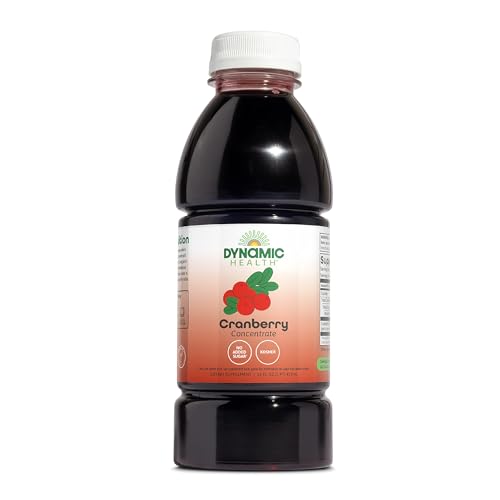
Dynamic Health
DYNAMIC HEALTH 100% Cranberry Juice Concentrate, 16…
- POTENT ANTIOXIDANT. Cranberries contain nutrients like vitamins C and E, plus the added power of the antioxidant quercetin. Antiox…
- COUNT ON CRANBERRY. You’ve probably heard that cranberries are great for urinary tract health. That’s because of proanthocyanidins…
- NO ADDED SUGAR. Our Cranberry Juice Concentrate is made without sweeteners or added sugar. It’s also Vegetarian, Gluten-Free, BPA-…
If you’re looking for a clean, versatile base to experiment with, a product like Dynamic Health 100% Cranberry Juice Concentrate gives you the real deal without added sugar. It’s a concentrated form, so a little goes a long way in a glaze or braise.

Why Cranberry Juice Is More Than a Breakfast Sip
Most people treat cranberry juice as a beverage. That’s a missed opportunity. The magic of cranberry lies in its polyphenols and organic acids, which behave differently when you apply heat. When you reduce cranberry juice in a pan, you concentrate its natural tartness and create a glossy, savory-sweet sauce that pairs beautifully with pork, chicken, or roasted root vegetables.
Think of it as a secret weapon. It has the acidity of lemon juice but with a fruity depth that lemon lacks. It has the sweetness of orange juice but with a tannic bite that cuts through fatty meats. This makes it a fantastic deglazing liquid for a pan after searing a steak.
There is also a practical angle. A bottle of 100% cranberry juice lasts a long time in the fridge. You can use it in small splashes for salad dressings, or reduce it down to a syrup for drizzling over yogurt. It’s a versatile staple that doesn’t spoil quickly.
The Science-Backed Health Benefits (The 5 Surprises)
These benefits aren’t about drinking a glass a day. They’re about how the compounds in cranberry juice interact with your body at a cellular level, and how cooking can preserve or even enhance those effects.
1. It Disarms Bacteria, Not Just for UTIs
The common story is that cranberry juice ‘flushes out’ your urinary tract. That’s not quite accurate. The real mechanism is anti-adhesion. Cranberries contain A-type proanthocyanidins, which are unique because of their specific molecular bonds. These compounds physically interfere with the hair-like projections (fimbriae) on certain bacteria, preventing them from latching onto the walls of your urinary tract.
This isn’t just a urinary tract trick. The same anti-adhesion properties work in your mouth. Studies show that cranberry compounds can help prevent Streptococcus mutans from sticking to your teeth, which is a primary driver of plaque and cavities. So using cranberry juice in a marinade or a glaze isn’t just flavor; it’s a functional ingredient that supports oral hygiene.
When you cook with it, you’re not destroying these compounds. A-type proanthocyanidins are relatively heat-stable. A simmer or a roast won’t break them down the way it would vitamin C. That’s a key point: you get the anti-adhesion benefit even after the juice has been reduced.
2. It Supports a Healthy Heart by Reducing Arterial Stiffness
Your arteries naturally stiffen as you age, which raises blood pressure and forces your heart to work harder. Cranberry polyphenols have been shown to help relax blood vessels and improve their flexibility. A 2026 study in the journal Food & Function found that consuming a moderate amount of cranberry juice daily improved flow-mediated dilation, a measure of how well your blood vessels expand.
Here’s the cooking angle. When you use cranberry juice as a base for a slow-cooked stew or braise, you’re extracting those polyphenols into the liquid. You’re not just drinking them; you’re incorporating them into a meal. This makes it easier to consume them consistently, rather than remembering to drink a glass of juice every morning.
The effect isn’t dramatic, but it’s measurable. Over a few weeks, regular intake can contribute to lower systolic blood pressure. It’s not a replacement for medication, but it’s a smart dietary addition.
3. It May Protect Your Stomach Lining (H. pylori Defense)
Helicobacter pylori is a nasty bacterium that colonizes the stomach lining and is a major cause of ulcers. Cranberry’s anti-adhesion magic works here too. The A-type proanthocyanidins prevent H. pylori from binding to the gastric mucosa. This doesn’t kill the bacteria, but it makes it harder for them to establish a foothold and cause damage.
A meta-analysis of clinical trials published in 2026 concluded that cranberry consumption, when used alongside standard antibiotic therapy, significantly improved eradication rates of H. pylori. The key is regular exposure. Using cranberry juice in a weekly pot roast or as a base for a braised cabbage dish gives you that steady, low-level intake.
One caveat: if you have an active ulcer, the acidity of cranberry juice might cause discomfort. It’s best to use it in cooked dishes where the acid is mellowed by other ingredients, rather than drinking it straight on an empty stomach.
4. It Feeds Your Gut Microbiome (Beyond Just Fiber)
Cranberries are low in fiber, but they’re rich in polyphenols that act as prebiotics. These compounds aren’t digested in your small intestine. They travel down to your colon, where your gut bacteria ferment them. This process produces short-chain fatty acids like butyrate, which are the primary fuel source for your colon cells.
What’s interesting is that cranberry polyphenols seem to selectively encourage the growth of beneficial bacteria, like Akkermansia muciniphila, which is associated with a healthier gut lining and better metabolic health. A 2026 study found that cranberry extract increased Akkermansia abundance in mice, leading to reduced inflammation.
Cooking helps here because it breaks down the cell walls of the berries, making the polyphenols more bioavailable. A slow-simmered cranberry sauce or a reduction used in a stir-fry can be more beneficial for your gut than a cold glass of juice.
5. It Could Help Manage Blood Sugar Levels (When Unsweetened)
This sounds counterintuitive. Juice is full of sugar, right? Yes, but 100% cranberry juice has a unique metabolic profile. The natural sugars are paired with high levels of organic acids and polyphenols, which slow down gastric emptying. This means the sugar hits your bloodstream more gradually than it would from apple juice or orange juice.
A study in the Journal of Nutrition showed that consuming cranberry juice with a high-carbohydrate meal blunted the post-meal insulin spike. The polyphenols appear to inhibit alpha-glucosidase, an enzyme in your gut that breaks down carbohydrates into glucose.
The catch is that you must use unsweetened juice. Commercial cranberry juice cocktails are loaded with high-fructose corn syrup, which completely negates this benefit. When you cook with it, you control the sweetness. A splash of unsweetened cranberry juice in a vinaigrette or a pan sauce adds flavor without the sugar bomb.
The Hidden Risks: Drug Interactions and Kidney Stones
Let’s be honest about the downsides. Cranberry juice is not harmless for everyone.
The most significant interaction is with warfarin (Coumadin), a blood thinner. Cranberry contains vitamin K, which plays a role in blood clotting. More importantly, some research suggests cranberry can affect how your body metabolizes warfarin, potentially increasing its potency and raising the risk of bleeding. If you’re on this medication, do not start drinking or cooking heavily with cranberry juice without talking to your doctor first.
There’s also the issue of kidney stones. Cranberries are high in oxalate, a compound that can bind with calcium to form calcium oxalate stones, the most common type. If you have a history of these stones, you should avoid concentrated cranberry products. The kidney stone connection is nuanced; for some it helps, for others it hurts. Know your stone type before you go heavy on the juice.
Finally, the acid content. Regular consumption of highly acidic foods can erode tooth enamel over time. If you’re drinking it daily, use a straw and rinse your mouth with water afterward. If you’re cooking with it, the acidity is usually diluted by other ingredients, which is less of a concern.
Pure Juice vs. Cocktail vs. Supplements: What to Buy
Label reading is where most people go wrong. The term ‘cranberry juice’ on the front of the bottle doesn’t mean much. You need to flip it over and check the ingredient list.
| Product Type | Ingredients | Sugar Content (per 8 oz) | Best Use |
|---|---|---|---|
| Cranberry Juice Cocktail | Water, cranberry juice (often from concentrate), high-fructose corn syrup or sugar | 25-30g | Punch, cocktails, or if you just want a sweet drink |
| 100% Cranberry Juice | Only cranberry juice (from concentrate or not) | ~12g (naturally occurring) | Cooking, marinades, or mixing with seltzer |
| Concentrate (like Dynamic Health) | 100% organic cranberry juice concentrate | Very low per serving (diluted) | Glazes, dressings, or adding a tart punch to smoothies |
| Supplements (pills/powder) | Dried extract standardized to proanthocyanidins | 0g | Targeted UTI prevention, but loses the culinary versatility |
For cooking, you want the 100% juice or the concentrate. The cocktail version is too sweet and will caramelize into a sticky mess in a pan. The concentrate is actually ideal because you can control the intensity. A tablespoon of concentrate in a sauce gives you the acidity without adding extra liquid, which is perfect for a quick pan reduction.
Supplements are fine for a specific medical goal, but they don’t offer the sensory experience. You can’t deglaze a pan with a pill. For most home cooks, a bottle of 100% juice or a concentrate is the most flexible option. If you want to explore mixing it with other flavors, check out this smoothie pairing guide for ideas.
Smart Ways to Drink It (Without the Sugar Crash)
If you’re going to drink it rather than cook with it, you need a strategy to avoid the sugar spike and the enamel erosion.
- Dilute it. Mix one part unsweetened cranberry juice with two parts sparkling water. You get the flavor and the polyphenols with less acid and sugar per sip.
- Use it as a base for a vinaigrette. Whisk 2 tablespoons of cranberry concentrate with 1 tablespoon of olive oil, a teaspoon of Dijon mustard, and a pinch of salt. It’s a bright, tangy dressing that doesn’t need any added sugar.
- Make a reduction. Simmer a cup of 100% cranberry juice until it’s reduced by half. This makes a syrup you can drizzle over roasted squash, pork chops, or even vanilla ice cream.
- Add it to a braise. Use cranberry juice instead of red wine in a pot roast. It adds a similar acidity and depth, plus a beautiful color to the gravy.
- Freeze it into ice cubes. Drop a cube into a glass of water or iced tea for a subtle flavor boost that doesn’t dilute the drink.
The key is to treat it as an ingredient, not a beverage. That shift in mindset opens up a lot of possibilities. It also helps you avoid the ‘juice cleanse’ mentality, which is rarely a good idea given the natural sugar content.
The Bottom Line: Is It a Daily Superfood or a Treat?
It’s somewhere in between. It’s not a magic cure, and it’s not junk food. The evidence for its anti-adhesion benefits is strong, particularly for UTI prevention and oral health. The heart and gut benefits are promising but modest. You shouldn’t expect dramatic changes overnight.
The real value is in how you use it. If you’re buying cranberry juice cocktail and drinking it by the glass, you’re mostly consuming sugar. If you’re using unsweetened 100% juice or a concentrate as a cooking ingredient, you’re adding a functional, flavorful component to your meals without a big sugar load.
One thing to watch: the quality of the product matters. A cheap concentrate might be diluted or contain additives. The Dynamic Health product mentioned earlier is a solid choice because it’s organic and has no added sugar. Just remember to check the current price on Amazon, as it fluctuates.
For those concerned about the acidity or the sugar, diluting it with water is a simple fix. This dilution guide explains why that’s a smart practice for any juice. And if you’re curious about how it compares to other citrus in cooking, this lemon juice in oil article covers the chemistry of acid and fat, which applies here too.
- Buy 100% juice or a concentrate. Ignore anything labeled ‘cocktail’ for cooking.
- Use it in pan sauces and marinades to cut through fatty meats like pork or duck.
- If you’re on warfarin, skip it entirely unless your doctor gives the all-clear.
- Kidney stone formers should avoid concentrated cranberry products.
- Dilute your drinking juice with sparkling water to protect your teeth.
- Don’t add sugar when cooking with it. The natural tartness is the point.
- Reduce it down to a syrup for a quick, healthy dessert topping.
Frequently Asked Questions
Does cooking destroy the vitamin C in cranberry juice?
Yes, it does. Vitamin C is heat-sensitive and degrades quickly when exposed to high temperatures. If you’re looking for vitamin C, drink the juice cold. But the polyphenols and proanthocyanidins are much more heat-stable, so the anti-adhesion and antioxidant benefits survive the cooking process.
Can I use cranberry juice instead of vinegar in a salad dressing?
You can, but you need to adjust the ratio. Vinegar is much more acidic than cranberry juice. If you swap it 1:1, your dressing will be too sweet and not tart enough. Use half the amount of cranberry juice and add a squeeze of lemon juice to make up the acidity. It works best with strong greens like kale or arugula.
Is cranberry juice concentrate the same as cranberry juice?
No. Concentrate has had most of the water removed, so it’s much stronger in flavor and acidity. A small amount of concentrate goes a long way. It’s also more cost-effective because you’re not shipping water. For cooking, concentrate is often better because you can control the intensity precisely.
Will cranberry juice help with a stomach ache?
It depends on the cause. If the stomach ache is from a bacterial issue like H. pylori, the anti-adhesion properties might help over time. But if it’s from acid reflux or an ulcer, the acidity of the juice will likely make it worse. In that case, you should avoid it and stick to bland foods. There’s more detail in this stomach pain analysis.
Does cranberry juice interact with any common medications besides warfarin?
Warfarin is the big one. There’s also some evidence that cranberry can affect how your body processes certain blood pressure medications and some antibiotics, but the data is less clear. The safest rule is to tell your pharmacist you’re using cranberry juice regularly, especially if you’re on any medication for chronic conditions.


