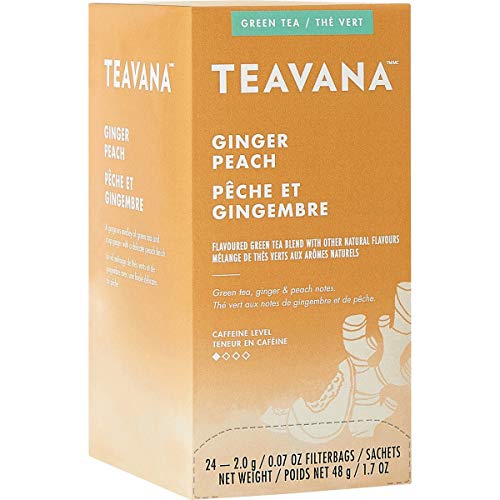
You bought a new Teavana blend, brewed a cup, and then the thought hits you: is this actually safe? The brand changed hands, the labels got smaller, and the ingredient list sometimes just says ‘natural flavors.’ For anyone with celiac disease or a serious gluten sensitivity, that vagueness is a problem. You need a straight answer, not a shrug.
Here is the plain truth: Teavana does not officially certify its teas as gluten-free. But that does not mean you have to toss your stash. Most of their straight teas and simple blends are made from Camellia sinensis leaves, which are naturally gluten-free. The risk hides in the additives, the flavorings, and the way the tea is handled before it reaches your mug. This guide walks you through which blends are safe, which ones you should avoid, and how to read the label on your specific box so you can decide with confidence.

Twinings
Twinings Tea Bag Sampler Assortment, Variety Pack…
- 44 ASSORTED FLAVOURS: The Twinings Tea Bags Sampler Assortment Variety Pack includes 44 tea bags, offering a diverse selection of…
- GREAT CHOICE FOR ANY OCCASION: Ideal for birthdays, holidays, or special celebrations. This assortment box is a fantastic selectio…
- IDEAL FOR TEA LOVERS: Whether you're a long-time tea lover or just starting to explore, this sampler pack is the perfect way to di…
If you are looking to expand your rotation with a brand that labels allergens clearly, the Twinings Tea Bag Sampler Assortment on Amazon is a solid backup. It includes 44 individually wrapped bags, which cuts down on cross-contamination risk from shared containers, and each flavor lists its ingredients openly. It is not a Teavana replacement, but it is a useful reference point for what transparent labeling looks like.

Is Teavana Tea Officially Gluten-Free?
Teavana does not print a gluten-free certification on its packaging. They also do not publish a master allergen statement on their website. That absence of a formal guarantee is the first red flag, but it is not the whole story.
Here is the split: if you have celiac disease and react to even trace amounts of gluten, you should treat Teavana blends with caution. If you have a mild sensitivity or are just avoiding gluten for general wellness, most Teavana teas are likely fine. The difference comes down to how your body handles cross-contamination, because that is where the risk actually sits.
Teavana’s parent company, Starbucks, does provide allergen information for its food items, but tea blends fall into a gray zone. The company has stated in the past that they cannot guarantee any product is free from allergens due to shared equipment in processing facilities. That statement matters more than any forum post you will read.
The Hidden Gluten Risks in Tea Blends (Not Just Leaves)
Plain tea leaves are naturally gluten-free. The problem starts when a tea becomes a ‘blend.’ Blends combine leaves with fruits, flowers, spices, and flavoring agents. Each one of those additions is a potential gluten carrier.
Why ‘Natural Flavors’ Are a Red Flag
You will see ‘natural flavors’ on many Teavana ingredient lists. That term is legally vague. It can mean anything from essential oils to maltodextrin, which is sometimes derived from wheat. The FDA does not require companies to disclose what is inside that flavor mixture.
Most flavor houses use alcohol or propylene glycol as solvents, not gluten. But some use barley malt extract as a flavor carrier, especially in teas that mimic dessert or caramel notes. You cannot tell from the label alone. The only way to verify is to contact the manufacturer directly, and with Teavana, that customer service line has been inconsistent since the Starbucks acquisition.
My honest take: if a Teavana blend lists ‘natural flavors’ and you are highly sensitive, treat it as a maybe, not a yes.
Barley, Malt, and Other Gluten-Containing Additives
Some ingredients are obvious gluten sources. Barley shows up in roasted teas and some chai blends. Malt is a barley derivative that adds sweetness and body. You will also see ‘toasted rice’ in some genmaicha-style blends, which is usually fine, but check for barley in the same ingredient line.
Teavana does not currently offer a tea that lists barley or malt directly on the label. That is good news. However, the absence of those words does not guarantee the absence of gluten, because of the natural flavors loophole described above. The risk is not in the big ingredients; it is in the small print.
Teavana Blends That Are Safe vs. Those to Avoid
This is where you need to be practical. Teavana has hundreds of blends, but most fall into predictable categories. Here is how to sort them.
Verified Gluten-Free Teavana Favorites
Straight teas and simple fruit infusions are your safest bets. These products contain only tea leaves and visible, whole ingredients like dried fruit or petals. There is no room for hidden gluten in a product that lists ‘black tea, peach pieces, and natural flavor.’
- Peach Tranquility: This blend lists white tea, peach pieces, and natural flavors. The peach and chamomile base is low risk, but the natural flavor is the wildcard.
- Jade Citrus Mint: A green tea with spearmint and lemongrass. The ingredient list is short and the flavor comes from actual mint, not a flavoring agent.
- Youthberry: A white tea with acai and rose hips. Again, visible whole ingredients, low processing risk.
- Chamomile and straight green/black teas: These are single-origin or minimally blended. They are your safest choices.
Teavana Products That May Contain Gluten
The higher-risk items are the ones with creamy, dessert-like, or ‘spiced’ flavor profiles. These rely heavily on flavoring agents to achieve their taste.
- Chai concentrates: These are liquid syrups, not dry leaves. They often contain barley malt or caramel color, which can be wheat-derived.
- Iced tea powders: These mixes include sugar, citric acid, and natural flavors. The flavor carriers in powders are more likely to use maltodextrin.
- Blends with ‘roasted’ in the name: Roasted dandelion root or roasted barley are common gluten sources. Check the ingredient list for barley specifically.
- Any tea with ‘cookie,’ ‘cake,’ or ‘cream’ in the name: These are almost certainly using artificial flavor compounds that may contain gluten.
You should also avoid the loose-leaf bulk bins in the physical Teavana stores, even though most of those locations have closed. The scoops were shared between bins, and cross-contamination was a real issue.
Cross-Contamination: In-Store vs. Pre-Packaged
This is the gap most articles miss. The gluten risk is not just about the ingredients; it is about the environment.
Pre-packaged Teavana boxes: These are sealed at a manufacturing facility. The risk here is from shared processing lines. If the facility also handles barley or wheat for other products, trace amounts can end up in your tea. Teavana does not state that their facilities are dedicated gluten-free, so this risk exists but is low.
In-store bulk bins: These are gone now, but if you find a remaining kiosk, walk away. The scoops were used for multiple teas. A scoop that touches a barley-containing chai blend then goes into the green tea bin, and you have a problem. The loose-leaf format also means more surface area for dust and particles to settle.
The pre-packaged route is the only one I would consider, and even then, only for the simple blends listed above.
How to Check Your Specific Teavana Tea Box
You can do this in two minutes. Grab the box and follow these steps.
- Find the ingredient list: It is usually on the side or bottom of the box. Teavana prints it in small font, so use a magnifying glass or your phone camera.
- Scan for the big three: Look for the words ‘wheat,’ ‘barley,’ ‘rye,’ or ‘malt.’ If any of these appear, the tea is not gluten-free. Stop here.
- Check for ‘natural flavors’: If the list includes this phrase and nothing else suspicious, you have a judgment call. For a mild sensitivity, it is probably fine. For celiacs, it is a risk.
- Look for an allergen statement: Some boxes print ‘Contains: Wheat’ or ‘May contain traces of gluten.’ Teavana rarely does this, but if you see it, you have your answer.
- Call the customer service number: If the label is unclear, call. Ask specifically if the ‘natural flavors’ are derived from barley or wheat. Get the answer in writing via email if possible.
Pro tip: take a photo of the ingredient list before you brew. If you have a reaction later, you will have the evidence to trace it back.
Teavana vs. Other Gluten-Free Tea Brands
Teavana is not the only player in the game. Comparing them helps you understand what ‘good’ looks like.
| Brand | Gluten-Free Certification | Label Transparency | Cross-Contamination Policy | Best For |
|---|---|---|---|---|
| Teavana | No official certification | Vague ‘natural flavors’ on many blends | Not disclosed; shared facilities likely | Simple fruit and green teas |
| Tazo | No certification, but most blends labeled ‘gluten-free’ | Better; lists specific flavor components | States ‘processed in a facility that also processes wheat’ on some boxes | Chai and spiced teas (check label) |
| Bigelow | Yes, many blends are certified gluten-free | Excellent; prints ‘gluten-free’ clearly | Dedicated lines for certified products | Everyday black and green teas |
| Twinings | Yes, for most blends | Excellent; lists all ingredients including flavor components | Clear allergen statements on packaging | Variety packs and classic blends |
Bigelow and Twinings have embraced the gluten-free label because it sells tea to a large audience. Teavana has not, which tells you something about their priorities. They are a lifestyle brand, not a specialty allergen-free brand.
If you want a guaranteed safe option without the guesswork, the Twinings gluten-free guide on this site covers their full lineup. For a broader comparison, check out the Yogi teas breakdown as well.
Final Verdict: Should Celiacs Drink Teavana?
Here is where I land after looking at the labels and the manufacturing reality.
If you have celiac disease, skip the Teavana blends that list ‘natural flavors’ or any dessert-like profile. Stick to their straight teas: plain green, plain black, plain white, and pure chamomile. Those are almost certainly safe, even without a certification.
If you have a gluten sensitivity but not celiac, you can probably enjoy most Teavana teas without issue. The trace amounts from shared equipment are unlikely to trigger symptoms unless you are extremely reactive. Listen to your body and start with a small cup.
The bigger concern is the lack of transparency. When a company will not tell you what is in their ‘natural flavors,’ you are making an educated guess. I do not like guessing with my health, and neither should you. That is why the pre-packaged simple blends are the only ones I recommend with confidence.
What about the iced tea and chai concentrates?
Do not drink those. The liquid concentrates and powdered mixes are processed differently and have a much higher chance of containing gluten-derived additives like barley malt or maltodextrin. The dry loose-leaf tea is your only reasonable option.
Does steeping remove gluten?
No. Gluten is a protein, and it is not water-soluble in a way that makes it disappear. If there is gluten in the leaf or the flavoring, it will end up in your cup. Boiling water does not break down gluten proteins to a safe level.
Are Teavana’s retail stores still open?
Most physical Teavana stores closed in 2026. You will find their products in Starbucks locations and online. The bulk bins are largely a thing of the past, which actually reduces your cross-contamination risk compared to the old store model.
Can I trust the ‘gluten-free’ claims on third-party websites?
No. Many blogs and forums repeat outdated information. The Celiac.com forum threads about Teavana are from years ago and reference blends that no longer exist. Always check the current box in your hand, not a screenshot from 2026.
What is the safest Teavana tea for a celiac?
The Emperor’s Clouds and Mist green tea, if you can find it, is just steamed green tea leaves. No flavoring, no additives. The same goes for their standard Earl Grey, which is black tea with bergamot oil. Bergamot oil is a pure essential oil, not a gluten source. Those two are your best bets.
Quick Safety Checklist for Your Next Cup
- Stick to straight teas: green, black, white, or pure herbal like chamomile.
- Avoid any blend with ‘chai,’ ‘roasted,’ ‘cookie,’ or ‘cream’ in the name.
- Read the label every time. Teavana changes recipes without fanfare.
- Call customer service if ‘natural flavors’ appears and you are a celiac.
- Skip the liquid concentrates and powdered mixes entirely.
- Buy pre-packaged boxes, not loose bulk, to minimize cross-contamination.
- When in doubt, choose a brand with explicit gluten-free labeling like Pukka teas or Twinings.