You take a long sip of a thick, cold milkshake and immediately feel that tickle in your throat. The cough comes fast. It happens almost every time. You are not imagining it, and you are not alone.
This reaction is common, but the reasons behind it vary. The culprit could be the temperature, the texture, or the dairy itself. Let’s walk through each one so you can figure out which one applies to you.
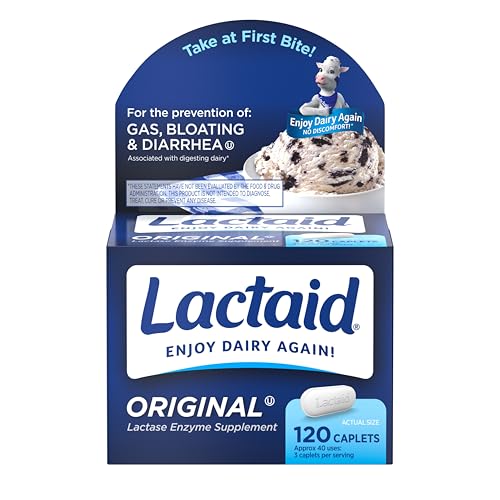
Lactaid
Lactaid Original Strength Lactose Intolerance Caplets, 120…
- Lactose caplets: Contains 9000 FCC of lactase enzyme in Lactaid caplets to help with the symptoms of lactose intolerance; starts w…
- Enjoy dairy again: Lactase enzyme tablets help break down milk sugar into glucose and galactose to make it much easier to digest w…
- Unflavored: Easy-to-swallow caplets for lactose intolerance are fast-acting and flavorless; lactase caplets work with your body to…

The Cold Shock Response
Your throat is a warm, sensitive tube of tissue. When a blast of near-freezing liquid hits it, the blood vessels constrict quickly. This sudden change can trigger a nerve reflex that feels like a tickle, which your brain interprets as a need to cough.
Think of it like jumping into a cold pool. Your body reacts before you can think about it. The cough is an involuntary gasp of sorts. People with sensitive airways or mild asthma feel this more intensely than others.
The fix is simple. Sip slowly and let the milkshake warm up slightly in your mouth before you swallow. Let it sit on your tongue for a second. This gives the cold liquid a chance to reach a less shocking temperature.
The Thick Texture Problem
A proper milkshake is dense. It is thicker than water, milk, or soda. That thickness changes how it moves down your throat.
Liquids usually slide down in a smooth stream. Thick liquids travel slower and can coat the back of your throat unevenly. This coating can trigger the cough receptors located there. Your body tries to clear the substance by coughing.
This is similar to why some people cough when they swallow a large pill. It is not an allergy. It is a physical obstruction. The best milk alternative for milkshake might help if you want a thinner consistency, but even then, the ice cream is the main thickening agent.
Taking smaller sips helps here. Smaller amounts coat less surface area. You also want to avoid drinking through a straw that pulls a huge volume directly to the back of your throat.
Lactose Intolerance and Histamine
Dairy is the common denominator in most milkshakes. If you are lactose intolerant, you lack enough of the enzyme lactase. This enzyme breaks down lactose, the sugar in milk.
When you miss that enzyme, the lactose travels undigested to your gut. That causes bloating, gas, and diarrhea for many people. But for others, the reaction starts higher up in the respiratory tract.
Undigested dairy can stimulate the production of mucus. Thicker mucus in your throat makes you feel like you need to clear it. That clearing sounds like a cough. Some research also points to a mild histamine release from dairy, which can irritate airways.
If you suspect this is your issue, you have a direct solution. Coughing after ice cream and milkshakes often links back to this dairy response. You can take a lactase enzyme supplement right before you start drinking. Pineapple juice for cough is a different remedy entirely, but it shows that dietary triggers often have specific fixes.
What You Can Do About It
First, slow down. Do not chug a milkshake. Sip it over fifteen minutes instead of five. This reduces the cold shock and gives your throat time to adapt.
Second, check your dairy tolerance. If you feel mucus buildup or stomach cramps later, lactose is likely the trigger. A lactase caplet can help.
Third, consider the temperature. Let the milkshake sit for a few minutes before drinking. A slightly melted shake is still delicious, but it is far less likely to trigger a cough reflex.
When It Is Something Else
Sometimes the cough is not the milkshake. It could be acid reflux. The high fat content in a milkshake relaxes the lower esophageal sphincter. That allows stomach acid to creep up into your throat, causing a cough.
This cough usually appears later, not during the drink. It might show up ten minutes after you finish, or even while you lie down to sleep. If this sounds like you, avoid milkshakes late at night.
You should also see a doctor if the cough is persistent, painful, or accompanied by wheezing. A true milk allergy causes hives or swelling, which is a medical emergency. The common tickle-cough is annoying but not dangerous.
The Lactase Solution
If lactose is your enemy, why coffee tastes different over time is irrelevant here, but the science of digestion is similar. You need the right tool for the job. Lactaid Original Strength Caplets contain 9000 FCC of lactase enzyme. You take up to three caplets with your first sip of dairy.
These caplets are unflavored and fast-acting. They work with your body to split the lactose into glucose and galactose. Once broken down, the dairy is much easier to digest. This prevents the bloating, gas, and diarrhea associated with lactose intolerance.
It is not perfect. You need to remember to take them before you start eating. But they are easy to pack in a bag, so you can keep them handy for the next time you order a shake. Check the current price on Amazon if you want to keep a bottle on hand.
This product is not intended to diagnose, treat, or cure any disease. The FDA has not evaluated these statements. But for many people, the science holds up.
Final Thoughts on the Cough
Listen to your body. If the cough happens every single time, do not ignore it. Try the slow-sip method first. If that fails, look at the dairy angle.
You can still enjoy a milkshake. You just might need to change how you drink it or prepare your body for it. The answer is usually one of the three triggers listed above. Find yours, and the cough goes away.


