Best Times to Drink Cranberry Juice for Maximum Benefits
On this page 6 sections
You’re not just sipping cranberry juice anymore; you’re putting it to work. Timing, dilution and what you drink it with all change how your body uses its tart compounds.
We’ll walk through a clear schedule, a basic “house cranberry mix” you can make once a day, and simple tweaks for UTIs, periods, blood sugar and sensitive stomachs.
Best Times to Drink Cranberry Juice for Maximum Benefits
The best time to drink cranberry juice for maximum benefits is mainly in the morning and again mid‑day, rather than as one big glass late at night. Most adults do well with about 4–8 oz (half to one cup) of unsweetened or mostly unsweetened cranberry juice 1–3 times a day, starting roughly 30 minutes before breakfast if that feels OK on your stomach.
So if you’re wondering when to drink cranberry juice, or the best time of day to drink pure cranberry juice, aim for an early serving and then a second small glass 2–4 hours later. Morning cranberry juice can be helpful because it tops up hydration after sleep and gets into your bloodstream and urine earlier in the day, when your kidneys are more active and you’re urinating more often. Large servings right before bed tend to push you to the bathroom overnight and don’t add much extra benefit for urinary tract health.
Unsweetened cranberry juice is very tart and quite acidic, so many people prefer to dilute it at least 1:1 with still or sparkling water; that still gives you the helpful compounds with a gentler sip. Pure cranberry juice on an empty stomach is fine for most people, but if you have reflux, gastritis or a sensitive stomach, drink it with a small snack or dilute it more to cut the sting.
Cranberry’s helpful plant compounds—proanthocyanidins (PACs) and antioxidants—seem to peak in your urine roughly 2–4 hours after you drink it. That’s why spacing out smaller servings through the day likely matters more than a single large 12–16 oz glass.
For UTI prevention support, a common pattern (if your doctor is on board) is about 8 oz of cranberry juice two or three times daily, focusing those servings in the morning and afternoon. Cranberry may help reduce some bacteria sticking to the bladder wall, but it doesn’t treat a UTI that’s already causing burning, fever or back pain, and it doesn’t replace medical care.
Men and women can follow the same timing and amounts. During your period, cranberry juice may feel helpful mostly by keeping you well hydrated and giving a steady trickle of natural sugars instead of big blood‑sugar swings from very sweet drinks. Around workouts, a small glass an hour before or shortly after exercise can simply count toward your fluids while adding flavor if you’re tired of plain water.
For most people with healthy kidneys, timing is mainly about comfort: shift most of your cranberry juice earlier in the day so you aren’t up all night urinating. If you have kidney disease or a history of kidney stones, especially calcium oxalate stones, check with your kidney or primary doctor before making cranberry juice a daily habit, because its oxalate and potassium content may not suit your plan.
If your main goal is nutrient quality rather than timing, you may also want to read about the best way to drink cranberry juice for maximum nutrients so you can match both how and when you drink it to your health goals.
How to Mix and Drink Cranberry Juice Step by Step
Unsweetened cranberry juice is most beneficial when you mix one small batch in the morning and pour 2–3 glasses of about 6–8 oz across the day, instead of sipping large, sugary cranberry cocktails at random times.
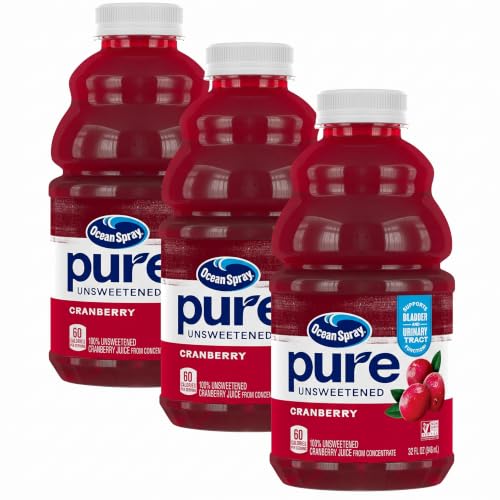
The main benefits of unsweetened cranberry juice are steady urinary tract support from cranberry plant compounds and fewer blood sugar spikes because there’s no added sugar. Those benefits come from proanthocyanidins, which may help bacteria wash out of the urinary tract instead of sticking, plus antioxidants such as vitamin C and vitamin E. So if you’re wondering “is unsweetened cranberry juice beneficial,” the answer is generally yes for most adults as part of a balanced diet. Drinking unsweetened cranberry instead of sweetened cocktails usually means fewer calories and less added sugar. For example, Ocean Spray Pure Unsweetened Cranberry lists about 60 calories per 8 oz and no added sugar, so the sugar you get is from the berries themselves.
Each 8 oz glass of a pure unsweetened cranberry like Ocean Spray’s has about 60 calories and only the modest, naturally occurring fruit sugar, which makes it easier to fit 2–3 glasses into most people’s day than a syrupy cranberry cocktail. Sweetened cranberry juice cocktails often add significant sugar on top of the fruit, so swapping to diluted unsweetened juice is one of the biggest practical benefits of drinking unsweetened cranberry for daily use.
For extra flavor, add a squeeze of lemon or lime or stir 1 teaspoon of apple cider vinegar into your 6–8 oz glass; both make the drink more acidic and sharply tart, which some people feel helps their digestion and encourages slow sipping. People who talk about apple cider and cranberry juice benefits are mostly getting a more satisfying, tangy drink and, in some cases, gentler post-meal blood sugar rises from having a sour, low-added-sugar drink with food. If you’d like to time that combo more precisely around meals or medicines, see cranberry juice and apple cider vinegar.
Adjusting Cranberry Juice for Different Health Needs
Adjusting cranberry juice to your health needs mostly means changing the strength, serving size and timing, while keeping an eye on sugar, acid and kidney load.
For periods, drinking cranberry juice once or twice a day in small glasses can support hydration and give you some natural sugars and antioxidants, but research doesn’t clearly show it relieves cramps on its own. A reasonable target is 4–8 oz once or twice a day during your period, as long as your stomach and blood sugar tolerate it. Many women also like that it’s a familiar, easy way to sip extra fluid during days when appetite is off, which matters for both UTIs and period comfort.
For women generally, cranberry juice may help lower the chance of some urinary tract infections in people who get them often, likely by making it harder for bacteria to stick to the bladder wall, and it adds vitamin C and plant compounds that act as antioxidants. Benefits seem to come from steady intake of modest amounts, not from one big “flush” day.
Keeping sugar low starts with buying an unsweetened or “100% cranberry” bottle and then diluting it. A practical approach is 1 part cranberry to 2–3 parts water, or using unsweetened sparkling water for a spritzer, and sweetening lightly with stevia or monk fruit instead of sugar if you need it, especially if you live with diabetes.
Gentle-on-the-stomach strategies help if you have reflux or gastritis: avoid very strong cranberry juice on an empty stomach, sip it with or just after a small carb snack like toast or crackers, and increase the dilution to 1:3 or more. A mild cranberry herbal tea gives flavor with far less acid and no sorbitol, so it can be easier on a sensitive upper GI tract.
Kidney-wise, cranberry juice is usually low in potassium but naturally higher in oxalate, which matters if you’ve had calcium oxalate kidney stones or have chronic kidney disease. In that case, many nephrologists suggest avoiding heavy daily doses; aim for smaller servings such as 4 oz once a day, and check with your kidney specialist before making it a long-term routine.
With diarrhea, you can drink cranberry juice, but only in small, well‑diluted amounts, because both sugar and acidity can draw more water into the gut and worsen loose stools. During an active bout, focus on oral rehydration solutions or clear broths for most of your fluids, and keep cranberry to occasional sips unless your care team gives different instructions.
For diabetes, the key is counting carbohydrates and avoiding big hits of added sugar. Stick with 4 oz portions of unsweetened cranberry, diluted out to an 8–12 oz drink, and check your blood glucose 1–2 hours after trying a new mix so you can see how that ratio behaves for you.
For anyone recovering from pancreatitis, high-sugar and high-fat intakes are the bigger concerns than the cranberry itself. If your team has cleared fruit juice, keep cranberry to small, well‑diluted servings taken with a meal, and skip sugar‑sweetened blends until your pancreas function and diet plan are stable.
Fruit blends change the equation. Grape‑cranberry and pineapple‑cranberry juices usually taste smoother because they carry more natural and added sugars, so they raise blood sugar faster and add extra calories; beet‑lemon‑cranberry mixes add more natural nitrates and vitamin C but also more oxalate and acid. Those can be pleasant occasional options, but if you’re watching blood sugar, kidneys or reflux, keep blends to a small 4–6 oz glass and avoid using them as your daily staple.
For example, if you like beetroot–lemon juice for circulation or workouts, many people use about 4–8 oz once a day, often in the morning or 1–3 hours before exercise, rather than several glasses—helpful to remember if you’re mixing beet, lemon and cranberry together, because the oxalate and acidity add up.
| Health situation | How to adjust cranberry drinks |
|---|---|
| Periods | 4–8 oz once or twice a day, diluted; use for steady fluids and comfort, not as your only cramp strategy. |
| Sensitive stomach (reflux, gastritis) | Dilute 1:3 or more, take with food or a snack, or swap to cranberry herbal tea if acid bothers you. |
| Kidney stones / CKD | Favor small servings (about 4 oz a day) and avoid heavy daily beet or spinach blends; clear any routine with your kidney team. |
| Diabetes | Use unsweetened juice, strong dilution, 4 oz portions, non‑caloric sweeteners if needed, and watch glucose response. |
| Diarrhea | Limit to occasional small sips of well‑diluted juice; prioritize oral rehydration solutions until stools improve. |
| Pancreatitis recovery | Only if your clinician okays juice; take tiny, diluted servings with meals and avoid sugar‑sweetened blends. |
| Grape / pineapple / beet blends | Treat as a treat: more sugar (grape, pineapple) and more oxalate (beet), so keep portions small and infrequent if you have blood sugar or kidney concerns. |
 Home Juicing Starter KitMake fresh juice that tastes good, costs less and keeps safely: 40 recipes with exact amounts, a yield chart and a 4-week plan.40 juice, smoothie and shot recipesYield, storage and food-safety chartsCost, yield and shopping-list calculator (Excel)
Cranberry Juice Timing and Safety Mistakes to Avoid
Cranberry juice stays safe and helpful only when it’s fresh, properly stored and timed, so expired, month‑old or clearly spoiled juice and very late‑night glasses are ones to avoid. You shouldn’t drink expired cranberry juice or juice that’s been open for about a month in the fridge, even if it looks normal; throw it out instead of trying to finish the bottle.
Unopened shelf‑stable cranberry juice is usually safe up to the date printed on the bottle. Once opened, keep it refrigerated and use within about 7–10 days or by the sooner date on the label. Discard any juice left at room temperature for more than about 2 hours, because sugary drinks let bacteria multiply quickly. If the juice smells unusually sour, or is fizzy or yeasty, it has probably begun fermenting and may contain small amounts of alcohol; don’t drink it. Drinking spoiled or fermented cranberry juice can cause nausea, vomiting, diarrhea or stomach cramps. If you already drank some, stop, sip water and watch for worsening symptoms or a fever over the next 24 hours.
Unsweetened cranberry juice is usually better in the morning or mid‑day than late in the evening; earlier servings help flush the bladder and are less likely to wake you to urinate. A practical routine is a small serving about 30 minutes before breakfast and, if you like, another small glass mid‑afternoon. Skip juice right before bed. Most people can tolerate a diluted serving on an empty stomach, but pure, undiluted cranberry juice can feel harsh because of its acidity. If you prefer it undiluted, start with a small amount and stop if you feel burning or nausea. If you have reflux, gastritis or a history of ulcers, don’t have strong cranberry juice on an empty stomach; take it with food instead.
Large servings of cranberry juice, especially more than about 8–10 oz at once, can disrupt sleep if you drink them right before bed by filling your bladder and making you get up at night. Chugging a big glass immediately before intense exercise can cause sloshing, cramps or reflux; aim to finish your serving at least 30–60 minutes before a hard workout. For best absorption of cranberry’s helpful compounds, try to separate your juice from very dairy‑heavy or iron‑rich meals, and take iron supplements with water rather than with cranberry juice.
Having cranberry juice with a simple pasta dinner or with a bowl of popcorn in the morning is fine for digestion; there’s no harmful interaction between those foods and the juice. The main concern is your total sugar and salt for the day, especially if you’re managing diabetes, high blood pressure or kidney disease, so factor the juice into your overall plan.
Simple Cranberry Drinks for Morning and Bedtime
For most people, the best time of day to drink cranberry juice for maximum benefits is about 30 minutes before breakfast and again mid‑day, with only a light version in the evening. A bedtime cranberry drink fits best as a small, extra diluted portion or a warm cranberry herbal tea taken well before you lie down, especially if you tend to get reflux. Cranberry tea or diluted juice on an empty stomach is fine for many people, but a sensitive or ulcer prone stomach usually does better with a small snack. Warm cranberry drinks are not better than cold for benefits; temperature is mainly comfort, while very hot or boiled juice can lose some vitamin C.
Morning cranberry starter: mix about 4 oz (half a cup) of unsweetened cranberry juice with 4–8 oz of water and drink it around 30 minutes before breakfast. If your stomach is sensitive, start with 2–3 oz of juice in plenty of water and sip it with a few crackers or half a banana instead of truly empty.
After exercise, have 8–16 oz (1–2 cups) of plain water right away, then 30–60 minutes later take 4–6 oz of well diluted cranberry juice, such as 2–3 oz juice topped with water and ice.
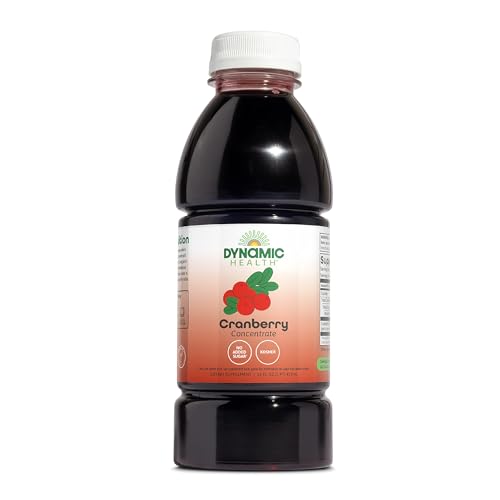
Unsweetened 100% cranberry juices like product 2 make a flexible base for all three of these drinks, because you can adjust the strength and add your own flavorings without bringing in added sugar.
A gentle evening option is a warm cranberry herbal drink made from extra diluted juice and hot water, sipped at least 1–2 hours before bed so the acid load and fluid volume are smaller by the time you lie down.
Large late night servings, such as a 12–16 oz glass close to bedtime, can increase nighttime urination from the extra fluid and wake you more often. If you enjoy a cranberry ritual in the evening, keep it to about 4 oz of juice well diluted with warm or room temperature water and finish at least an hour before lying down.
Alcohol based cranberry cocktails such as vodka cranberry or tequila cranberry fit best as occasional treats, not as part of a daily health routine. Skip them if you are sick, limiting alcohol for a health condition, taking medicines that interact with alcohol, or in the days before a procedure like a colonoscopy or surgery, following the timing instructions from your own care team.