Your drink tastes strong, dry, and faintly herbal. That usually means you have a Sazerac, New Orleans’ signature whiskey cocktail.
Most confusion comes from its short ingredient list. A Sazerac contains whiskey, sugar, Peychaud’s bitters, and an absinthe rinse. It usually arrives without ice.

The Cocktail Box Co.
The Cocktail Box Co. - Sazerac Cocktail…
- Elevate Your Sipping Experience: Unleash your inner mixologist with our premium cocktail set, designed for both enthusiasts and be…
- Masterful Mixology, Anytime, Anywhere: Enjoy in the art of cocktail making with our all-inclusive cocktail making kit. From classi…
- Mixology in Your Pocket: Designed for the modern explorer, our carry cocktail kit lets you shake up your favorite Sazerac drinks w…
Check the glass first. A chilled rocks glass, lemon aroma, and a reddish bitters tint support the diagnosis. A tall, fizzy drink is something else.
Sazerac drink guides often describe the same core formula, though recipes vary across bars and homes.

What is a Sazerac drink?
A Sazerac is a stirred, spirit-forward cocktail from New Orleans. Rye whiskey often supplies its peppery backbone.
Cognac appeared in early versions and still works well. Some bartenders use a split base with both spirits.
The drink uses a sugar cube or simple syrup, Peychaud’s bitters, and a small absinthe rinse. A lemon twist adds fragrance, not juice.
The result is powerful but balanced. You taste whiskey first, then gentle sweetness, anise, spice, and citrus oil.
How to tell a Sazerac from similar drinks
| Drink | Main spirit | Texture and service | Defining feature |
|---|---|---|---|
| Sazerac | Rye or Cognac | Stirred and served neat | Absinthe rinse and Peychaud’s bitters |
| Old Fashioned | Whiskey | Stirred over ice or served neat | Angostura bitters and orange are common |
| Manhattan | Rye or bourbon | Stirred and strained | Sweet vermouth forms part of the body |
| Vieux Carré | Rye and Cognac | Stirred over ice or strained | Vermouth and liqueur create a richer profile |
| Mimosa | Sparkling wine | Cold and fizzy | Citrus juice defines the drink |
A Mimosa drink guide helps with one easy distinction. A Mimosa is bright and bubbly; a Sazerac is dark, still, and whiskey-led.
The ingredients and what each one does
Rye whiskey
Rye gives the cocktail dry spice and a firm finish. Choose a whiskey you enjoy neat, since dilution stays limited.
Bourbon makes a softer, sweeter Sazerac. It works, but it changes the drink’s traditional edge.
Cognac
Cognac creates a rounder drink with fruit and oak notes. Many early Sazerac recipes used Cognac before rye became dominant.
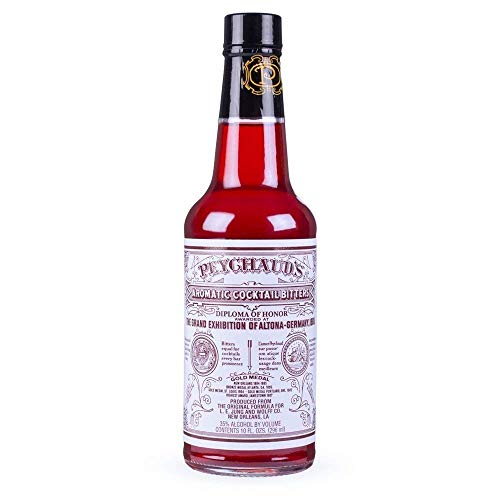
Peychaud’s bitters
Peychaud’s bitters supply floral spice and a distinctive red color. Angostura bitters can work in a pinch, but the flavor becomes darker and more baking-spiced.
Sugar
Sugar smooths the whiskey and bitters. A small amount should support the spirit, not turn the cocktail syrupy.
Absinthe
Absinthe perfumes the glass with anise and herbs. The bartender coats the inside, then discards the excess.
Some bars use Herbsaint or another anise spirit. The drink remains recognizable, but the aroma shifts.
Lemon peel
Lemon oil supplies the final lift. Express the peel over the surface, then discard it or place it in the glass.
A reliable Sazerac recipe
- Chill a small rocks glass with ice and water.
- Add one sugar cube or a small measure of simple syrup to a mixing glass.
- Add three dashes of Peychaud’s bitters and stir until the sugar dissolves.
- Add two ounces of rye whiskey or Cognac.
- Fill the mixing glass with ice and stir for about 20 seconds.
- Rinse the chilled serving glass with absinthe. Discard the excess.
- Strain the cocktail into the glass without fresh ice.
- Express a lemon peel over the drink and discard it or add it as garnish.
The cheap test is simple: taste the whiskey before mixing. Poor base spirit rarely improves inside a Sazerac.
Next, check dilution. Stir longer if the drink tastes hot or harsh. Stir less if it feels thin and watery.
Absinthe comes third in the troubleshooting order. Too much creates a medicinal flavor, while too little removes the cocktail’s signature aroma.
Why your Sazerac may taste wrong
It tastes too sweet
Excess syrup causes this problem most often. Reduce the sugar before changing the whiskey.
It tastes too strong
Short stirring leaves too little water in the glass. Add another 10 seconds of stirring and taste again.
It tastes bitter
Too many bitters can dominate the drink. Peychaud’s bitters taste gentler than Angostura, but they still need restraint.
It tastes like licorice
The absinthe rinse probably went too far. Coat the glass lightly and pour out the remaining spirit.
It tastes flat
Old bitters or a missing lemon peel may explain the dull aroma. Replace the bitters before buying new glassware.
It looks cloudy
Cloudiness usually comes from tiny ice fragments or an unclean glass. Strain through a fine mesh strainer if needed.
Where the Sazerac came from
The cocktail grew from New Orleans drinking culture during the nineteenth century. Its name connects to Sazerac de Forge et Fils Cognac.
The Sazerac Coffee House helped make the drink famous. Rye later became a common base after Cognac supplies suffered during the phylloxera crisis.
New Orleans officially named the Sazerac its official cocktail in 2026. The city’s New Orleans Sazerac history provides a useful account of its local identity.
Recipes changed over time. Claims about one perfect formula usually ignore that history.
How a Sazerac differs from an Old Fashioned
Both drinks use whiskey, sugar, bitters, and stirring. Their aromas and finishing details separate them.
An Old Fashioned commonly uses Angostura bitters, orange, and ice. A Sazerac uses Peychaud’s bitters, an absinthe rinse, and no serving ice.
The Sazerac also feels drier and more aromatic. The Old Fashioned usually tastes rounder and more orange-led.
Using a portable Sazerac kit
The Cocktail Box Co. Sazerac Cocktail Kit suits travelers who want a compact drink-making setup. Its listing describes a portable, TSA-friendly travel mixer set.
The kit targets beginners and experienced cocktail makers. It also suits picnics, campsites, and other places without a full home bar.
Check the current Amazon listing for the exact contents. The provided product details do not identify every included tool or ingredient.
Air travel adds a practical caveat. Airline rules, airport restrictions, and local alcohol laws still apply. Never assume a kit permits drinking or mixing during a flight.
For home use, a mixing glass, bar spoon, strainer, rocks glass, and citrus peeler offer more control. The portable kit makes more sense when space matters.
Serving advice
Use a small rocks glass. A large glass makes the portion look sparse and warms the drink faster.
Chill the glass well, but avoid serving the cocktail over fresh ice. Ice changes the classic presentation and continues dilution.
Serve the Sazerac before dinner or after a meal. Its dry, aromatic profile pairs well with rich foods, cured meats, and dark chocolate.
The drink is strong. Sip it slowly, and keep the pour measured.
Frequently asked questions
Is a Sazerac sweet?
It has mild sweetness, but it should not taste sugary. Whiskey, bitters, and absinthe remain prominent.
Does a Sazerac contain absinthe?
Traditional versions use an absinthe rinse. Some recipes substitute Herbsaint or another anise-flavored spirit.
Is a Sazerac served with ice?
Most classic versions are strained into a chilled glass without ice. Some modern bars serve one large cube.
Can bourbon replace rye?
Yes. Bourbon produces a softer, sweeter drink with less peppery spice.
Can Cognac replace whiskey?
Yes. Cognac gives the cocktail a rounder, fruitier character and reflects its early history.
Why does my Sazerac taste medicinal?
Too much absinthe usually causes that flavor. Use a thin rinse and discard the excess.
What bitters belong in a Sazerac?
Peychaud’s bitters are the traditional choice. Angostura works as a substitute, but it changes the flavor.
Should I add lemon juice?
No. A classic Sazerac uses lemon peel for its oils, not lemon juice.
Is a Sazerac the same as an Old Fashioned?
No. Both use whiskey and sugar, but a Sazerac adds an absinthe rinse and Peychaud’s bitters.
Can beginners make one?
Yes. The method is short, but accurate measuring matters. Start with less absinthe and adjust after tasting.