15 Delicious Ways to Make Cranberry Juice Taste Better
On this page 6 sections
Cranberry juice is well-known for its tartness and health benefits, especially for urinary tract health. However, many find its natural sourness too strong to enjoy on its own. This article explains what cranberry juice is, why it tastes so sharp, and practical ways to make it more delicious without losing its benefits.
Understanding cranberry juice’s acidity and sugar content helps you choose the right mixers and sweeteners. We’ll also compare cranberry juice with similar drinks and suggest who should be cautious about added sugars or acidity.
How to Make Cranberry Juice Taste Better
Cranberry juice tastes better when you add sweeteners, citrus, or sparkling water to balance its natural tartness and acidity. About 1 tbsp of honey or 1/2 cup of orange juice per 8 oz glass can make it pleasantly sweeter without overwhelming the flavor.
Its tartness comes from organic acids, which can sting the throat and taste sharp. Sweeteners like honey, agave syrup, or sugar soften this edge, but too much raises sugar intake quickly.
Adding citrus juice such as orange or lemon brightens the flavor and adds natural sweetness, which complements rather than masks the cranberry’s tang.
Sparkling mixers like plain seltzer or ginger ale lighten cranberry juice by diluting the intensity and adding fizz, making it feel fresher and less syrupy.
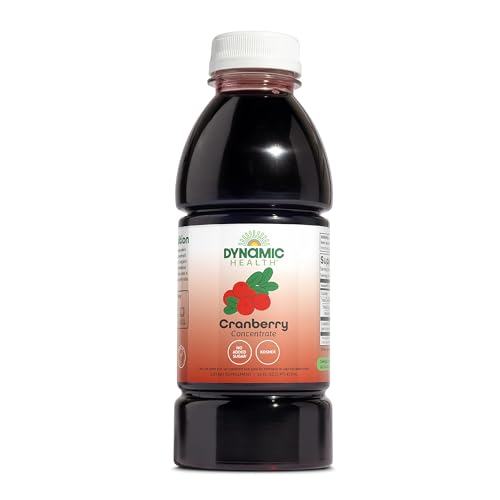
Common mistakes include adding too much sugar or simply diluting cranberry juice with plain water, which makes it taste watered down without improving flavor balance.
| Enhancer | Typical Amount per 8 oz | Effect |
|---|---|---|
| Honey | 1 tbsp | Adds natural sweetness and smooths tartness |
| Orange juice | 1/2 cup | Adds sweetness and citrus brightness |
| Lemon juice | 1-2 tsp | Increases tartness, balances flavor |
| Sparkling water/seltzer | 4 oz | Dilutes intensity, adds fizz |
| Ginger ale | 4 oz | Adds sweetness and spicy flavor |
Cranberry Juice: What It Is and How It’s Made
Cranberry juice is made from fresh, concentrate, or dried cranberries, each producing different flavors and acidity levels. Fresh juice is pressed directly from the berries, while concentrate is made by removing water to concentrate the flavor and nutrients.
Juices from concentrate often have added sugars or preservatives to balance tartness and extend shelf life. These additions increase calories and change the flavor profile.
Fresh cranberry juice typically has a stronger tartness and higher acidity compared to juice from concentrate, which can taste milder and sweeter due to processing.
Cranberry juice contains no caffeine, making it suitable for people avoiding stimulants.
People who need to limit sugar intake, such as those with diabetes or on low-sugar diets, should avoid cranberry juices with added sugars or sweetened concentrates.
Sugar Content and Acidity Levels in Cranberry Juice
Cranberry juice contains a notable amount of natural sugar and often added sugars, which can vary widely by brand and type. Typically, an 8 oz glass has about 20 to 30 grams of total sugar, including up to 15 grams of added sugar in sweetened varieties. Unsweetened cranberry juice has less sugar but tastes much more tart.
With a pH around 2.3 to 2.5, cranberry juice is quite acidic. This acidity gives it its characteristic sharp taste but can irritate sensitive mouths or digestive tracts, especially for people with acid reflux or ulcers.
Cranberry juice also provides vitamin C—about 20 to 30% of the daily value per 8 oz serving—plus antioxidants like flavonoids. These compounds support immune health and may protect cells, which is why cranberry juice is often considered good for urinary tract health.
Drinking cranberry juice won’t cause dehydration. Its water content helps hydrate you, but the acidity and sugar can irritate some people’s stomachs if consumed in excess.
People with diabetes, reflux disease, or a history of kidney stones should limit cranberry juice intake. The sugar can raise blood glucose, the acid may worsen reflux symptoms, and oxalates in cranberries might contribute to kidney stones in susceptible individuals.
| Drink | Added sugar per serving | Servings | Total |
|---|---|---|---|
| 8 oz sweetened cranberry juice | 15 g | 1 | 15 g |
| 8 oz grape juice | 36 g | 1 | 36 g |
| 8 oz apple juice | 24 g | 1 | 24 g |
| Total | 75 g | ||
| Daily limit for most men (36 g) | 208% | ||
 Home Juicing Starter KitMake fresh juice that tastes good, costs less and keeps safely: 40 recipes with exact amounts, a yield chart and a 4-week plan.40 juice, smoothie and shot recipesYield, storage and food-safety chartsCost, yield and shopping-list calculator (Excel)
Drinks That Taste Like Cranberry Juice
Pomegranate, grape, and apple juices share similarities with cranberry juice but differ in sweetness and tartness. Pomegranate juice is tart like cranberry but often sweeter, grape juice is sweeter and less acidic, and apple juice is mild and sweet with low acidity.
Blending cranberry juice with sweeter juices like apple or grape can balance its tartness and reduce acidity. This also alters the sugar content, so check labels to avoid excess added sugars in blends.
Common mixers include sparkling water, which lightens flavor without adding calories, and herbal teas like green or hibiscus, which add subtle notes and antioxidants. Popular recipes combine cranberry juice with orange juice or lemonade for a sweeter, more refreshing drink.
Watch for commercial cranberry juice blends that may contain high amounts of added sugars or artificial sweeteners. Homemade blends let you control sweetness and flavor.
| Drink | Tartness | Sugar Content per 8 oz | Acidity (pH) |
|---|---|---|---|
| Cranberry juice | High | 20-30 g | 2.3-2.5 |
| Pomegranate juice | Medium-high | 20-25 g | 3.0-3.5 |
| Grape juice | Low | 24-36 g | 3.3-3.6 |
| Apple juice | Low | 24-28 g | 3.3-4.0 |
How to Use Cranberry Juice in Recipes and Drinks
You can use cranberry juice in many recipes and drinks to enjoy its tart flavor beyond just sipping it plain. About 15 delicious ways include mixing it with sweeteners like honey, citrus juices, or herbs to soften its sharpness.
Sweet and savory mixers such as 1 tbsp honey, 1/2 cup fresh orange juice, or a splash of lime can balance cranberry juice’s acidity in an 8 oz glass. Herbs like mint or rosemary and warming spices like cinnamon add complexity. Dairy substitutes like almond or oat milk create creamy twists for smoothies or chilled beverages.
For cocktails, cranberry juice pairs well with spirits like vodka or gin, mixed with soda or tonic water to lighten the flavor. Non-alcoholic mocktails use sparkling water, fresh citrus slices, and a touch of sweetener for a refreshing drink without alcohol.
Making sparkling cranberry drinks is simple: combine 4 oz cranberry juice with 4 oz sparkling water and add a slice of lemon or lime. This gives a fizzy, less sweet beverage that still highlights cranberry’s tartness.
Frozen treats are another great use. Pour cranberry juice mixed with a little honey into popsicle molds for tart, icy snacks. Or stir cranberry juice with a splash of lemon and freeze into granita, scraping every 30 minutes until flaky and frozen.
Health boosters like chia seeds work well in cranberry juice. Stir 1 tsp into an 8 oz glass and let sit 10 minutes to thicken with fiber and omega-3s, making a nutritious, filling drink.
For a bedtime cranberry juice drink, reduce the sweetener to about 1 tsp honey per 8 oz and add calming herbs like chamomile or lavender tea. This lowers sugar and soothes before sleep.