Coca-Cola is not just about its famous cola. It owns a vast portfolio of soda brands and beverages globally, shaping what many people drink daily. Understanding what brands are under its umbrella helps you make informed choices, especially if you are watching sugar, caffeine, or acidity in your drinks.
Coke’s Soda Empire in 2026
Coca-Cola owns a vast soda empire in 2026, including iconic brands like Coca-Cola, Sprite, and Fanta. These brands dominate many markets worldwide and represent the core of Coke’s extensive beverage portfolio.
Yes, Coca-Cola owns Sprite and Fanta, both among the top-selling sodas globally. Diet Coke is also part of this portfolio, offering a no-sugar alternative to the classic Coke taste. The term ‘soda empire’ means Coca-Cola dominates the soft drink market, covering a wide range of flavors, formulations, and packaging options for different consumer preferences.
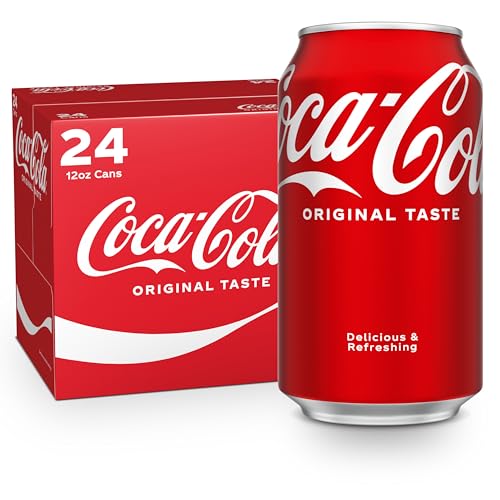
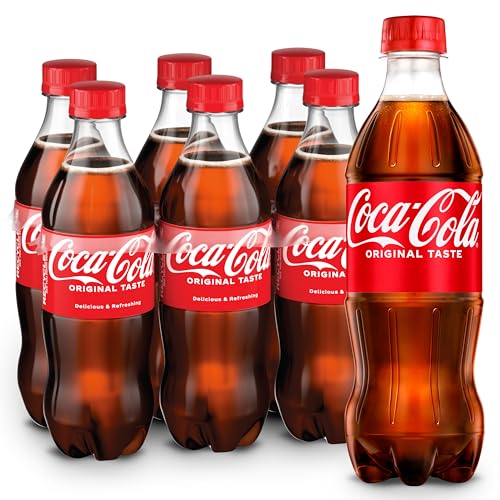
Besides the flagship Coca-Cola cola, the company’s soda brands include lemon-lime sodas like Sprite, fruit-flavored Fanta varieties such as orange and grape, and low- or no-calorie options under Diet Coke and Coca-Cola Zero Sugar. This variety lets you pick sodas based on flavor, caffeine, and sugar levels.
| Brand | Type | Notes |
|---|---|---|
| Coca-Cola | Cola soda | Original and zero-sugar variants |
| Sprite | Lemon-lime soda | Caffeine free |
| Fanta | Fruit-flavored soda | Multiple fruit flavors |
| Diet Coke | Cola soda | No sugar, caffeinated |
| Coca-Cola Zero Sugar | Cola soda | No sugar, caffeinated |
How Coke’s Sodas Compare on Sugar, Caffeine, and Acidity
Coke’s sodas vary in sugar, caffeine, and acidity, influencing taste and how they affect your body. For example, Coca-Cola Classic has about 39 grams of sugar and 34 mg of caffeine in a 12 oz can, while Sprite contains no caffeine but similar sugar levels. Acidity also differs, impacting how they might affect sensitive stomachs or teeth.

Fanta orange soda averages about 44 grams of sugar and contains no caffeine in the same serving size. Diet Coke and Coca-Cola Zero Sugar provide caffeine—about 46 mg per 12 fl oz—but no sugar, making them options for those watching sugar intake but not caffeine.
All Coke sodas have a low pH, typically around 2.5 to 3.2, making them quite acidic. This acidity can irritate sensitive stomachs or reflux, so people with acid reflux or gastritis should be cautious.
| Brand | Sugar (g) | Caffeine (mg) |
|---|---|---|
| Coca-Cola | 39 | 34 |
| Sprite | 38 | 0 |
| Fanta Orange | 44 | 0 |
| Diet Coke | 0 | 46 |
| Coca-Cola Zero Sugar | 0 | 46 |
Differences Between Coke Sodas and Other Carbonated Drinks
Coke’s sodas stand out from other carbonated drinks mainly due to their unique flavor formulas and brand identities. Many competing sodas use different sweeteners or caffeine amounts, and some offer zero-calorie versions. Coke’s products also include fruit-flavored options like Fanta, which have distinct taste profiles and ingredient lists compared to generic colas or root beers.
Coca-Cola’s sodas like Coke, Sprite, and Fanta are sweetened beverages with added sugar or artificial sweeteners and often contain caffeine, especially in colas. Sprite, for example, is not a seltzer; it is a lemon-lime soda with sugar and no caffeine.
The key difference between soda and seltzer is the presence of sweeteners and other additives. Sodas have sweeteners that add calories and impact blood sugar, while seltzers have none. This difference affects taste, with sodas being sweet and flavored, and seltzers having a clean, neutral taste.
Health-wise, seltzers have no sugar or caffeine and are generally a better choice if you want to avoid calories, manage blood sugar, or reduce caffeine intake. Sodas contribute to calorie and sugar intake, which can affect weight and diabetes control, and caffeine can affect sleep or cause jitters in sensitive people.
| Feature | Seltzers | Coca-Cola Sodas |
|---|---|---|
| Sugar | 0 g | 7 to 40 g per 12 oz can |
| Caffeine | 0 mg (usually) | 0 to 34 mg per 12 oz can |
| Calories | 0 kcal | 90 to 150 kcal per 12 oz can |
| Taste | Plain, bubbly water | Sweet and flavored |
| Common Brands | LaCroix, Bubly (not Coca-Cola) | Coca-Cola, Sprite, Fanta |
People Who Should Limit or Avoid Coke Sodas
People sensitive to caffeine should limit or avoid Coke sodas due to their caffeine content, which ranges up to about 34 mg per 12 oz can. Consuming too much caffeine can cause nervousness, heart palpitations, or trouble sleeping.
If you have acid reflux, drinking Coke sodas may worsen symptoms because their acidity and carbonation can irritate the esophagus. It’s best to avoid or limit Coke and other acidic sodas if acid reflux is a concern.
For those with diabetes or managing weight, the high sugar content in regular Coke sodas can raise blood glucose and add unnecessary calories. Choosing low- or no-sugar options or avoiding sodas altogether helps control blood sugar and supports weight management.
Caffeine effects vary by person but typically start within 15 to 45 minutes and can last several hours. If you already drank soda and feel jittery or unable to sleep, try hydrating with water and avoid more caffeine that day.
For those who want a fizzy drink without caffeine or sugar, seltzers and unsweetened sparkling waters are safer alternatives. If you must have soda, diet versions with no sugar and less caffeine may be preferable but still check your personal tolerance.
What To Do Next: Choosing and Enjoying Coke Sodas Safely
You can drink Coke sodas safely if you limit your intake to about 12 oz (one can) a day, especially if you have health conditions like diabetes or acid reflux. Checking the nutrition label helps you see how much sugar and caffeine are in each soda, so you can pick one that fits your needs.

If you want to reduce your soda intake, try swapping regular sodas for zero-sugar versions or plain seltzers. These alternatives avoid added sugars and caffeine, which can ease symptoms if you’re sensitive or managing a condition.