You grab a bottle of cranberry juice thinking you’re doing something good for your body. Then you flip it over and see 30 grams of sugar per serving. That’s more than a glazed donut. It’s frustrating, because the whole point of drinking cranberry juice is usually health, not dessert.
Here’s the good news: cranberry juice genuinely deserves its reputation as a low-calorie superstar when you choose the right product. The polyphenols and proanthocyanidins in cranberries offer real metabolic and urinary tract benefits. The problem is that the supermarket aisle is packed with impostors. This guide will show you exactly how to spot the real thing, what it does inside your body, and how much you actually need. You’ll walk away with a label-reading system that takes about ten seconds per bottle.
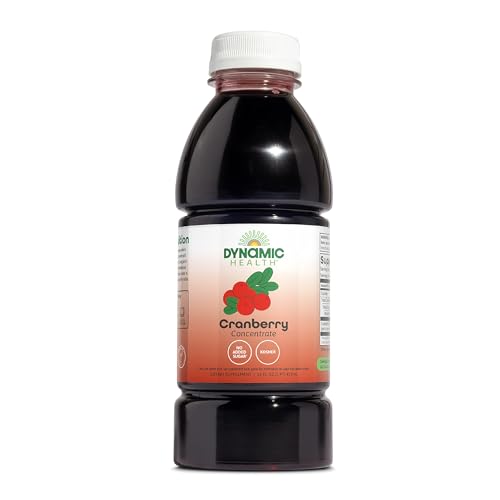
Dynamic Health
DYNAMIC HEALTH 100% Cranberry Juice Concentrate, 16…
- POTENT ANTIOXIDANT. Cranberries contain nutrients like vitamins C and E, plus the added power of the antioxidant quercetin. Antiox…
- COUNT ON CRANBERRY. You’ve probably heard that cranberries are great for urinary tract health. That’s because of proanthocyanidins…
- NO ADDED SUGAR. Our Cranberry Juice Concentrate is made without sweeteners or added sugar. It’s also Vegetarian, Gluten-Free, BPA-…
If you want a shortcut to the good stuff, cranberry juice basics start with unsweetened concentrates. The lowest calorie fruit juice options are almost always pure concentrates, and super juice vs fresh juice comparisons show why processing matters. One solid option is Dynamic Health 100% Cranberry Juice Concentrate, which packs about 4,000 cranberries per bottle with no added sugar. It’s a concentrated base you dilute yourself, so you control exactly what goes in your glass.

The Low-Calorie Claim: Why Most Cranberry Juice is a Lie
The average cranberry juice cocktail contains around 140 calories and 30 grams of sugar per 8-ounce glass. That’s the equivalent of seven teaspoons of sugar. The cranberry itself contributes almost none of that sweetness. The juice is naturally tart to the point of being puckering, so manufacturers drown it in high-fructose corn syrup or grape juice concentrate to make it palatable.
This is the dirty secret of the juice aisle. A product labeled simply “cranberry juice” often contains as little as 25% actual cranberry juice. The rest is water, sweetener, and possibly other fruit juices. You’re paying for the cranberry name while mostly drinking sugar water.
The real low-calorie version exists. Unsweetened 100% cranberry juice sits at roughly 45 calories per 8-ounce serving, with about 8 grams of naturally occurring sugar. That’s a massive difference. But it tastes sharp, and most people aren’t prepared for that. You can dilute it, sweeten it with a zero-calorie sweetener like stevia, or mix it into sparkling water.
So the first rule of finding a low-calorie cranberry juice is ignoring everything on the front of the bottle. The front label is marketing. The nutrition facts panel is truth.
The Nutritional Profile: What You Actually Get Per Serving
Let’s break down what a proper serving of unsweetened cranberry juice delivers. An 8-ounce glass of 100% juice contains roughly 45 calories, 8 grams of sugar, 25% of your daily vitamin C, and a dense concentration of polyphenols. Those polyphenols are the real stars. They’re plant compounds that act as antioxidants in the body.
Cranberries are particularly rich in proanthocyanidins, which are a specific type of polyphenol. These compounds are what give cranberries their deep red color and their astringent taste. They’re also the mechanism behind the urinary tract benefits that cranberries are famous for. The bacteria that cause most UTIs, E. coli, have tiny hair-like projections called fimbriae. Proanthocyanidins make it harder for those fimbriae to stick to the walls of the urinary tract. No sticking, no infection.
Beyond that, cranberry juice provides a small amount of vitamin E and a compound called quercetin. Quercetin is another flavonoid with anti-inflammatory properties. It’s the same compound found in onions and apples, and it’s been studied for its effects on blood pressure and immune function.
One thing to note: cranberry juice is not a significant source of fiber. When you juice the fruit, you lose most of the pulp and skin, which is where the fiber lives. That’s fine for the polyphenol story, but it means you shouldn’t rely on cranberry juice as your primary source of plant fiber. Eat the whole berries when they’re in season, or get fiber elsewhere.
The Science: How Polyphenols Drive Weight Loss and Glucoregulation
Most people think of cranberry juice as a urinary tract fix. The metabolic story is less well known, but it’s actually more interesting for anyone watching their weight or blood sugar.
A 2026 study published in the journal Nutrients looked at chronic consumption of a low-calorie, high-polyphenol cranberry juice. The researchers found that daily consumption improved several markers of metabolic health. Specifically, participants showed better glucoregulation, which is the body’s ability to manage blood sugar levels. They also saw improvements in inflammation markers.
How does this work? Polyphenols appear to inhibit certain enzymes in the digestive tract that break down carbohydrates. When those enzymes are partially blocked, sugar enters the bloodstream more slowly. The result is a smaller spike in blood glucose after a meal. Over time, this reduces the strain on insulin-producing cells in the pancreas.
There’s also a gut microbiome angle. Polyphenols aren’t fully absorbed in the small intestine. They travel down to the colon, where gut bacteria ferment them into smaller compounds called phenolic acids. These acids act as food for beneficial bacteria, promoting a healthier gut flora balance. A healthier gut microbiome is associated with better weight management, reduced inflammation, and improved insulin sensitivity.
None of this means cranberry juice is a magic fat burner. It doesn’t work that way. But swapping a 140-calorie sugary cocktail for a 45-calorie unsweetened version, while gaining polyphenols that blunt blood sugar spikes, is a meaningful metabolic upgrade.
Beyond UTIs: The Anti-Inflammatory Mechanism
Chronic inflammation is a driving force behind obesity, type 2 diabetes, and heart disease. Cranberry polyphenols appear to modulate inflammatory pathways directly. They inhibit the production of certain pro-inflammatory cytokines, which are signaling molecules that promote inflammation.
One study on rats fed a high-fat diet found that cranberry extract reduced markers of inflammation in the liver and improved lipid profiles. The effect was linked to the antioxidant capacity of the polyphenols, which neutralized free radicals before they could damage cells. Less cellular damage means less inflammation, and less inflammation means a lower risk of metabolic disease.
That’s the mechanism, but it comes with a caveat. Most of the research uses concentrated extracts or high-polyphenol juice, not the sugary cocktail versions. A glass of cranberry cocktail with 30 grams of added sugar will likely negate any anti-inflammatory benefit. The sugar itself is pro-inflammatory. So the polyphenol content only helps if you’re not drowning it in sweetener.
The Sugar Trap: Cocktails vs. 100% Juice vs. Diet Versions
This is where label decoding becomes critical. The table below compares the three main categories you’ll find in stores.
| Product Type | Calories (per 8 oz) | Sugar (per 8 oz) | Actual Cranberry Content | Best Use Case |
|---|---|---|---|---|
| Cranberry Juice Cocktail | 130-150 | 28-32 g | 25-30% | Rarely. Treat as soda. |
| 100% Cranberry Juice (unsweetened) | 45-50 | 8-10 g | 100% | Daily consumption, diluted. |
| Diet / Light Cranberry Juice | 15-20 | 0-2 g (artificial sweetener) | 25-30% | Low-calorie option, but check sweeteners. |
| Cranberry Concentrate (e.g., Dynamic Health) | ~90 per 2 oz shot | ~15 g per 2 oz shot | 100% concentrate | Mix with water or sparkling water. |
Notice the concentrate row. A 2-ounce shot of concentrate is roughly 90 calories, but you’re not drinking 2 ounces straight. You dilute it with 6-8 ounces of water. That brings the final drink to the same 45-50 calorie range as the bottled 100% juice, but with a fresher taste and no preservatives.
The diet versions use artificial sweeteners like sucralose or aspartame. They’re low-calorie, but some people prefer to avoid artificial sweeteners. Check the label. If you see sucralose and you’re okay with it, fine. If not, stick with the unsweetened 100% juice.
How to Read the Label Like a Nutritionist
Here’s the ten-second system. Look at the ingredient list first. It should contain one ingredient: cranberry juice. Maybe water if it’s from concentrate. If you see high-fructose corn syrup, cane sugar, apple juice concentrate, or grape juice concentrate, it’s a cocktail or a blend. Put it back.
Next, check the sugar content per serving. Divide the grams of sugar by four to get teaspoons. If an 8-ounce serving has more than 10 grams of sugar, it’s not a low-calorie product. The natural sugar in pure cranberry juice is about 8 grams per 8 ounces. Anything significantly above that is added sugar.
Finally, look at the serving size. Many brands list a serving as 4 ounces to make the numbers look better. A 4-ounce serving with 12 grams of sugar becomes 24 grams if you actually drink 8 ounces. Always multiply by two if the serving size is 4 ounces.
The Real Impact on Heart Health and HDL Cholesterol
The cardiovascular benefits of cranberry juice are supported by a solid body of research, though the effects are moderate. Several human trials have shown that daily consumption of low-calorie cranberry juice improves HDL cholesterol levels. HDL is the “good” cholesterol that helps clear excess cholesterol from the bloodstream.
A 2026 meta-analysis of randomized controlled trials found that cranberry consumption was associated with significant reductions in LDL cholesterol and improvements in HDL cholesterol. The effect size was small, but it was consistent across studies. For context, a 5% improvement in HDL is roughly equivalent to the benefit you’d get from moderate exercise.
The blood pressure story is also promising. Polyphenols promote the release of nitric oxide in blood vessels, which causes them to relax and dilate. Wider blood vessels mean lower blood pressure. Some studies show a reduction of 2-3 mmHg in systolic blood pressure with daily cranberry juice consumption. That’s not enough to replace medication, but it’s a meaningful addition to a heart-healthy diet.
One detail that matters: the effect is only seen with low-calorie versions. A study comparing high-sugar cranberry juice to low-calorie cranberry juice found that the high-sugar version actually worsened some lipid markers. The sugar offset the polyphenol benefits. This reinforces the core message: the polyphenols are powerful, but they’re not powerful enough to overcome added sugar.
The UTI Evidence: What the Studies Actually Say
Let’s address the elephant in the room. Cranberry juice for UTIs is the most common reason people buy it, but the evidence is more nuanced than the folklore suggests.
The Cochrane review, which is the gold standard for medical evidence, concluded that cranberry juice reduces the risk of recurrent UTIs in women by about 26%. That’s a real effect, but it’s not a cure for an active infection. If you have a UTI with burning and urgency, cranberry juice will not fix it. You need antibiotics. Cranberry juice is for prevention, not treatment.
The effective dose appears to be around 36 mg of proanthocyanidins per day. That’s roughly equivalent to 8-10 ounces of 100% cranberry juice, or a 2-ounce shot of concentrate. The studies that showed benefit used juice with high proanthocyanidin content, not the diluted cocktails.
There’s also a timing component. The effect is likely cumulative. You need consistent daily consumption to maintain the anti-adhesion effect on bacteria. Drinking a glass once a week probably does very little. It’s a daily habit, like brushing your teeth, not a rescue remedy.
Practical Guide: How Much to Drink and When
Based on the research, the sweet spot is 8-10 ounces of diluted 100% cranberry juice per day. That delivers enough proanthocyanidins for UTI prevention and enough polyphenols for metabolic benefits. If you’re using a concentrate like Dynamic Health, that’s about 2-3 tablespoons mixed into a glass of water.
Timing matters less than consistency. Some research suggests taking it with meals to blunt the glycemic response of the meal itself. That makes sense. The polyphenols inhibit carbohydrate-digesting enzymes, so they work best when food is present. Drink it with breakfast or lunch, not as a standalone snack.
One practical tip: mix it with sparkling water and a squeeze of lime. The tartness of the cranberry pairs well with citrus, and the carbonation makes it feel like a treat. You get the health benefits without feeling like you’re drinking medicine.
Start with a smaller amount if you’re not used to the taste. A tablespoon of concentrate in a large glass of water is a gentle introduction. Work up to the full serving over a week. Your palate adapts faster than you’d think.
DIY vs. Store-Bought: Does Homemade Juice Lose Potency?
Making your own cranberry juice at home is straightforward. Simmer fresh or frozen cranberries in water, strain out the pulp, and you have a tart, unsweetened juice. The question is whether it’s better than store-bought.
Freshly made juice has a brighter flavor and no preservatives. It also contains all the polyphenols that were in the fruit, assuming you don’t overcook them. Cranberries are naturally high in heat-stable polyphenols, so a gentle simmer won’t destroy them. Boiling aggressively for a long time will degrade some of the vitamin C, but the proanthocyanidins are more robust.
Store-bought 100% juice is typically pasteurized. Pasteurization uses heat to kill pathogens and extend shelf life. It does reduce some heat-sensitive nutrients, but the impact on polyphenols is minimal. A 2026 study found that pasteurization reduced total polyphenol content by about 10-15% compared to raw juice. That’s a small loss, and it’s the trade-off for safety and shelf stability.
The bigger difference is sugar control. Homemade juice has exactly the sugar that’s in the cranberries, which is very little. Store-bought juice might have added sugar, even in the “100% juice” category. Some brands blend cranberry juice with apple or grape juice to sweeten it naturally, but that adds sugar. Read the label.
If you have a juicer, you can also juice raw cranberries directly. They’re hard little berries, so it takes some effort. A masticating juicer handles them better than a centrifugal one. Check this cold press juicer guide if you’re thinking about equipment. The yield is low, and the juice is intensely tart, but it’s the freshest possible option.
Safety, Oxalates, and Medication Interactions
Cranberry juice is safe for most people, but there are three things you need to know before making it a daily habit.
First, oxalates. Cranberries are high in oxalate, a compound that can contribute to kidney stones in susceptible people. If you have a history of calcium oxalate kidney stones, talk to your doctor before drinking cranberry juice daily. The risk is real, though it’s lower than with spinach or beetroot.
Second, medication interactions. Cranberry juice can interact with warfarin, a blood thinner. The juice may increase the potency of warfarin, raising the risk of bleeding. If you’re on warfarin, avoid cranberry juice unless your doctor explicitly clears it. The interaction is well-documented and not worth the risk.
Third, the sugar content of commercial blends. Even “100% juice” from the store can have added sugar if it’s a blend. The acid in cranberry juice can also erode tooth enamel over time. Drink it through a straw and rinse your mouth with water afterward to minimize the acid exposure.
The Bottom Line: Is It a Superstar or Just a Sidekick?
Cranberry juice deserves a place in a healthy diet, but it’s not a miracle cure. It’s a concentrated source of polyphenols that support urinary tract health, blood sugar control, and heart health. The calorie count is genuinely low when you choose the right product.
The catch is the label. Most cranberry juice products in the supermarket are sugar water. You have to actively seek out the unsweetened 100% juice or a concentrate. That effort pays off. A 45-calorie glass of real cranberry juice is a legitimate health tool, not a dessert in disguise.
Here’s what to remember:
- Ignore the front label; read the ingredient list and nutrition facts panel first.
- Choose 100% unsweetened juice or a pure concentrate like Dynamic Health, not a cocktail.
- Keep servings to 8-10 ounces of diluted juice per day for metabolic and UTI benefits.
- Expect the taste to be tart; mix with sparkling water or a zero-calorie sweetener.
- Drink it with meals to help blunt blood sugar spikes.
- Skip it if you’re on warfarin or prone to kidney stones, unless cleared by a doctor.
- Don’t use it to treat an active UTI; that’s a job for antibiotics.
Cranberry juice won’t transform your health on its own. But as a daily low-calorie beverage that supports multiple body systems, it’s about as close to a superstar as a juice can get.
Frequently Asked Questions
Is cranberry juice cocktail ever a good choice?
Almost never. It has the same sugar content as soda. If you’re craving it, treat it as a dessert, not a health drink. The tiny amount of cranberry juice in a cocktail is not enough to deliver meaningful polyphenol benefits.
Can I drink cranberry juice on an empty stomach?
You can, but it’s not ideal. The natural acids in cranberry juice can irritate an empty stomach, especially if you’re prone to heartburn. Drinking it with food also improves polyphenol absorption and helps blunt the glycemic response of your meal.
Does cranberry juice help with weight loss directly?
Not directly. It’s low in calories, which helps if you’re replacing sugary drinks. The polyphenols may improve insulin sensitivity, which supports fat metabolism. But cranberry juice is not a fat burner. It’s a good swap, not a magic potion.
What’s the difference between cranberry juice and cranberry juice concentrate?
Concentrate is juice with most of the water removed. You add water back before drinking. Concentrate is more shelf-stable and takes up less space. The nutrition is essentially the same per serving, but with concentrate you control the final dilution.
Are dried cranberries a good substitute for juice?
No. Dried cranberries are almost always sweetened with a significant amount of sugar. A half-cup serving can contain 25 grams of added sugar. They’re a candy, not a health food. If you want the benefits of cranberries without the sugar, stick to the unsweetened juice.


